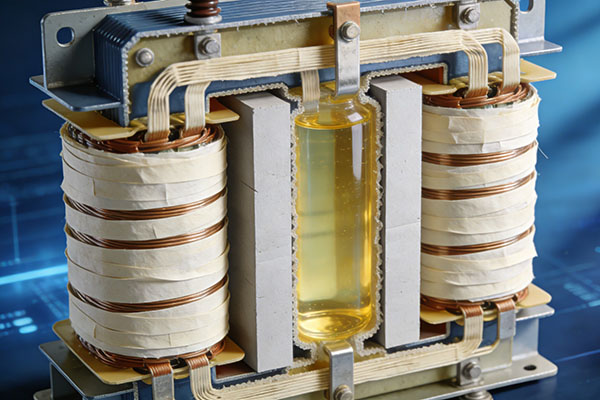
When an oil-type transformer fails, the headline cause might sound simple—overheating, insulation breakdown, or a sudden trip. In reality, solid insulation is often the “silent multiplier” behind the scenes: it influences dielectric strength, thermal aging, mechanical stability under short-circuit forces, and how well the oil system stays clean and dry over years of service.
This article breaks down what Electrical Insulation Materials On Oil Type Transformers actually do, where buyers and engineers most commonly get burned (literally and financially), and how to choose materials that survive manufacturing, shipping, drying, oil impregnation, and long-term operation. You’ll also get a procurement-ready checklist, a comparison table, and a troubleshooting section that helps you connect symptoms to material-level causes.
Pain point 1: “Same name, different performance.”
Two materials can be labeled similarly (for example, “pressboard”), yet differ wildly in density uniformity, impurity level, moisture content, and compressive strength. Those differences show up later as uneven oil impregnation, local hot spots, or partial discharge at sharp edges.
Pain point 2: “It passed incoming inspection, then failed in assembly.”
Solid insulation is sensitive to handling. A clean board can become a contamination source if it’s cut on dusty equipment, stored in humid air, or touched without basic cleanliness controls—especially before the drying and vacuum-oil process.
Pain point 3: “Thermal margin got eaten up.”
If the insulation system is treated as a commodity, the transformer may lose thermal headroom. Once cellulose-based insulation ages, the degradation is hard to reverse. The result is reduced life expectancy and higher risk under overload conditions.
Pain point 4: “Field conditions don’t match the lab.”
Even a well-designed insulation system can suffer if moisture control, oil cleanliness, and maintenance routines are weak. Oil contamination and water ingress reduce dielectric strength and accelerate aging of both liquid and solid insulation.
Reality check: Most insulation failures are not caused by a single dramatic defect. They’re caused by small compromises stacking up—material selection + cutting quality + moisture + imperfect drying + contamination + operating stress. The goal is to stop the stack-up early.

In an oil-immersed transformer, liquid insulation (oil) and solid insulation (paper/board/composites) are designed to work together. Oil flows for cooling and fills voids; solid insulation provides stable spacing, mechanical strength, and controlled dielectric paths. When done well, the system resists electrical stress and heat while keeping the geometry of the windings stable over decades.
The four jobs you should spec for
Most purchasing decisions become easier when you tie each material family to a transformer “zone.” Below is a practical map you can use when selecting Electrical Insulation Materials On Oil Type Transformers.
Cellulose-based papers
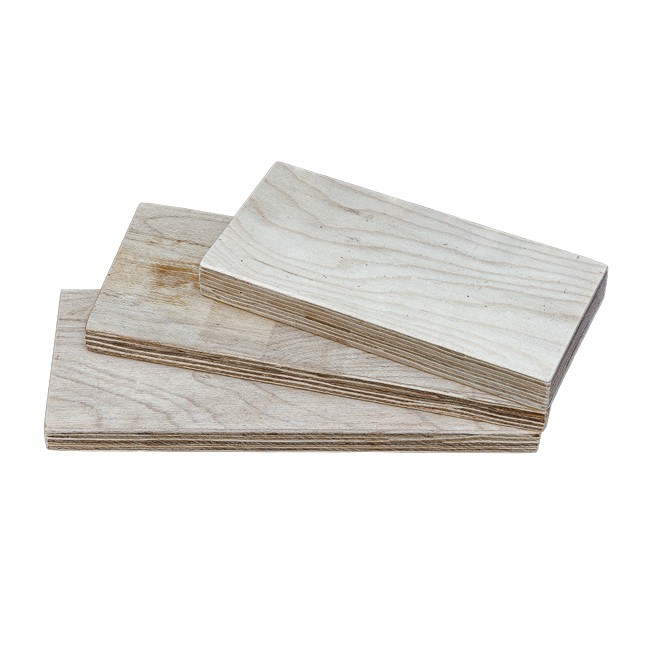
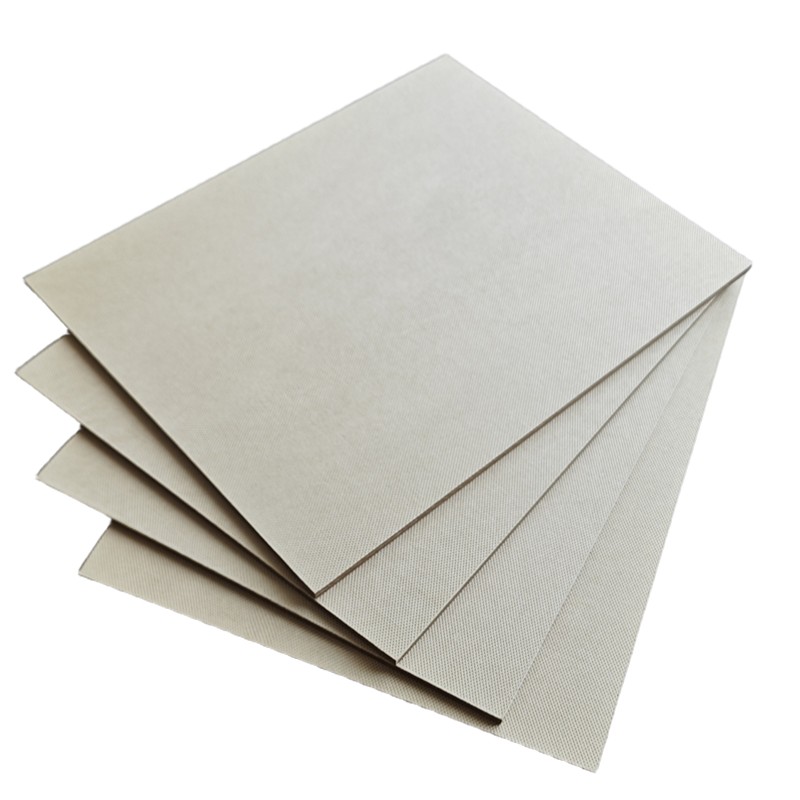
Cellulose pressboards and transformerboards
Thermally upgraded cellulose
High-temperature composites
Use this as a decision shortcut. It’s not a replacement for design calculations, but it helps you avoid obvious mismatches when selecting Electrical Insulation Materials On Oil Type Transformers.
| Material family | Typical transformer use | Strengths | Watch-outs |
|---|---|---|---|
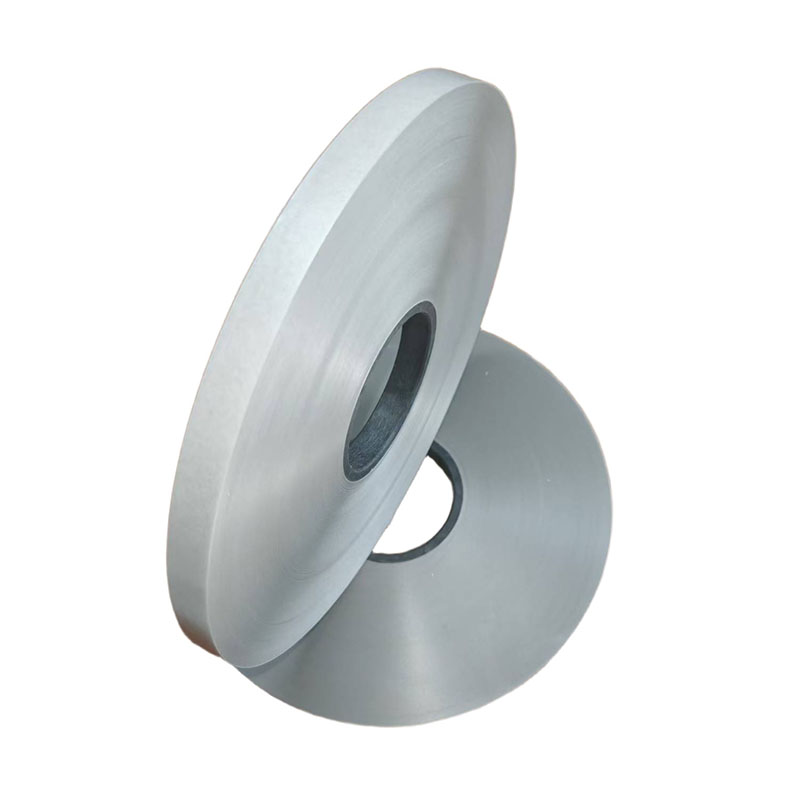
| Kraft paper | Inter-layer and lead insulation, general winding applications | Good oil impregnation, cost-effective, proven performance | Moisture sensitivity, aging accelerates with heat and contamination |
| Crepe paper | Lead wrapping, shapes requiring flexibility | Conformable, good for complex geometries, stable after oil impregnation | Requires clean handling; wrinkles and debris can create local stress points |
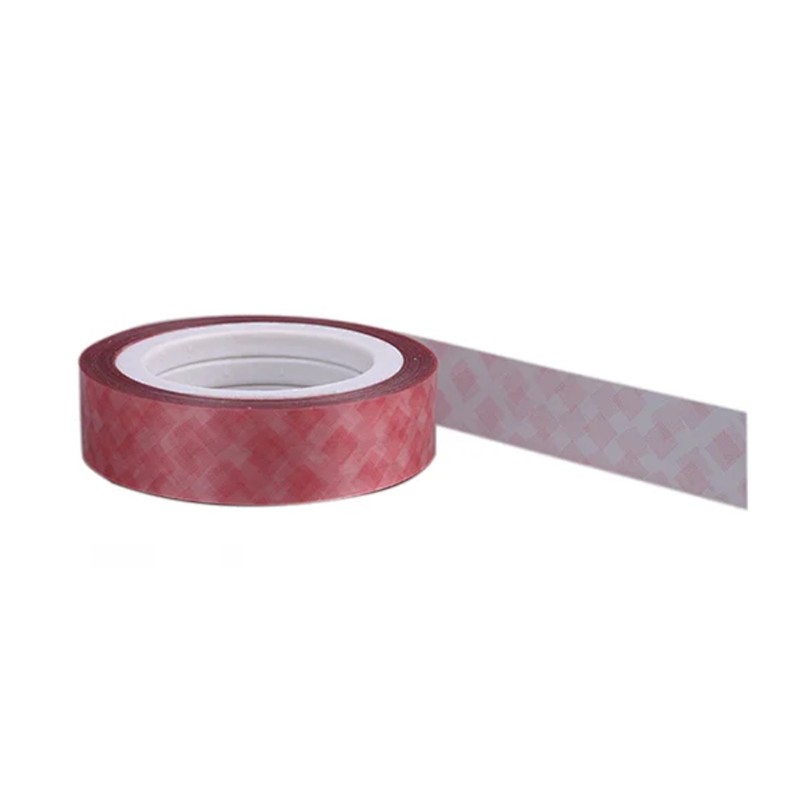
| Diamond dotted paper | Turn-to-turn or layer insulation where bonding/locking helps | Improves winding stability, supports consistent spacing | Process discipline matters; improper drying or contamination reduces benefits |
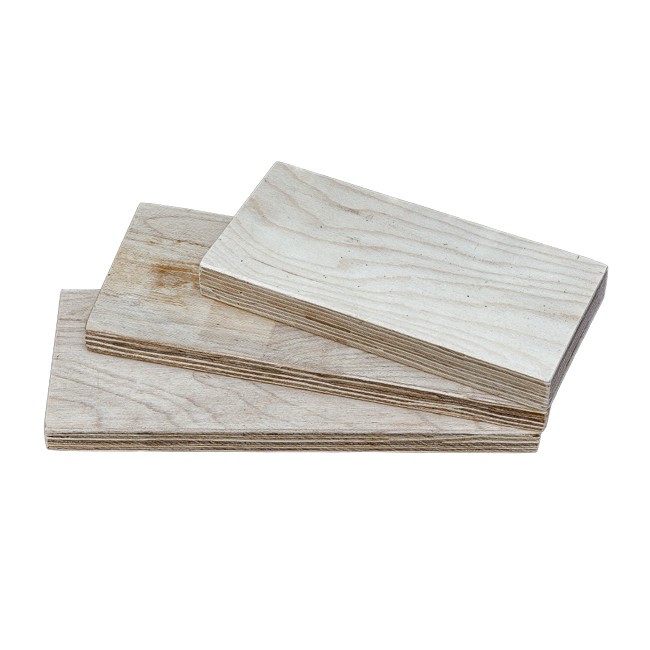
| Precompressed pressboard | Barriers, spacers, end insulation parts, support blocks | Mechanical stability, helps maintain critical clearances | Density uniformity and moisture control are essential |
| Thermally upgraded cellulose | Higher thermal margin paper applications | Better resistance to thermal aging compared with standard cellulose options | Still needs strict moisture control and clean oil processing |
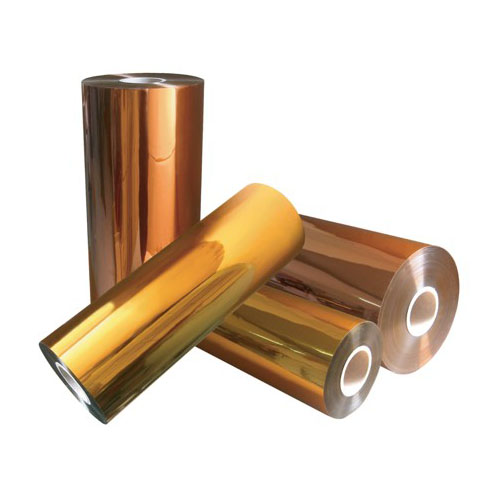
| Aramid-based materials | Hotter zones or designs requiring higher thermal stability | Higher temperature tolerance, good for demanding designs | Cost, design compatibility, and process settings must be verified |
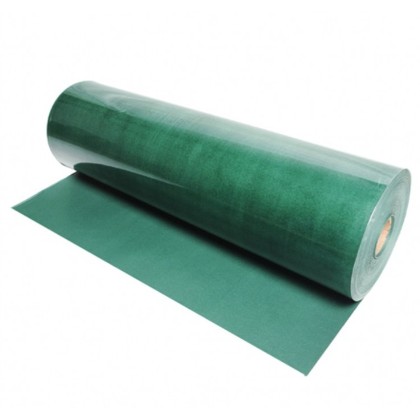
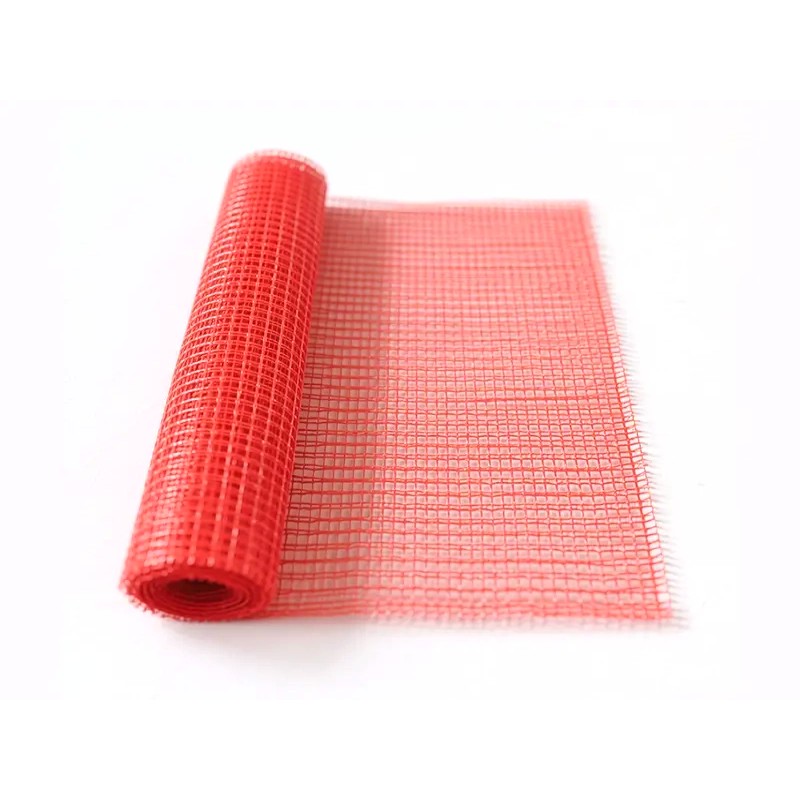
| Glass-fiber resin laminates | Structural insulating components in certain transformer architectures | Strong mechanical properties, good dimensional stability | Edge finishing and cleanliness matter; confirm oil compatibility and application limits |
Here’s a workflow you can hand to a procurement team and an assembly team without starting a civil war. It forces the right questions early, before you’re stuck reworking coils or chasing partial discharge in final tests.
Step 1 Define the operating stresses in plain language
Step 2 Translate stresses into material requirements
Step 3 Write procurement specs that prevent “look-alike” substitutions
Buyer tip: If the supplier can’t explain how their material behaves during drying and oil impregnation, you’re not buying insulation—you’re buying uncertainty.
You can buy excellent Electrical Insulation Materials On Oil Type Transformers and still end up with weak performance if you treat them like ordinary packaging paper or generic boards. These rules are simple and cheap—but they prevent expensive failures.
Warehouse and packaging
Cutting and machining
Drying and oil impregnation mindset
The drying step is not just “getting moisture out.” It’s making the solid insulation ready to accept oil uniformly and avoid voids. Voids are where partial discharge likes to live. If your process is rushed, the transformer may pass initial tests and then degrade faster in service.
A supplier relationship becomes dramatically smoother when you align on what “quality evidence” looks like. Instead of vague promises, ask for documentation that supports repeatability.
If you’re sourcing molded components or custom-cut insulation parts, add these two questions: (1) How is dust controlled during machining? (2) How are edges finished to reduce electrical stress concentration?

When something goes wrong, time disappears fast—production schedules slip, customer delivery dates move, and everyone starts blaming the last person who touched the transformer. This section helps you narrow down likely insulation contributors quickly.
Common symptoms and material-level suspects
If you want a single supplier that can support multiple insulation needs for oil-type transformer builds, partnering with a focused manufacturer can reduce qualification workload and improve consistency across projects. Suzhou Hanyao New Materials Co., Ltd. provides a portfolio that covers commonly used solid insulation items for oil-type transformer applications, along with production and testing support that helps buyers keep material performance consistent from batch to batch.
When that matters most
Treating it as interchangeable commodity material. Small differences in density, moisture, cleanliness, and machining quality can create voids, sharp stress points, and accelerated aging after oil impregnation.
Not always. Many reliability problems come from moisture control, contamination, and process discipline—not just heat class. Higher thermal stability helps when your design hot-spot or loading profile demands it, but it should be paired with strong process control.
Moisture reduces dielectric strength and accelerates aging of solid insulation. It also increases the risk of partial discharge by supporting unfavorable electrical conditions, especially when drying and impregnation are not optimized.
Start with thickness checks, visual defect screening, packaging integrity, and batch documentation review. Most importantly, confirm storage conditions and how long materials were exposed before arrival. Simple discipline catches many problems early.
Control edge finishing, keep machining clean, remove dust, avoid sharp corners, and ensure drying and oil impregnation are done thoroughly to prevent voids. PD prevention is less about one miracle material and more about consistent execution.
The best transformers don’t rely on luck—they rely on materials that match the electrical, thermal, and mechanical demands of the design, and on processes that keep those materials clean, dry, and correctly impregnated. When you choose Electrical Insulation Materials On Oil Type Transformers with a failure-prevention mindset, you reduce rework, protect test yields, and improve long-term reliability in the field.
If you’re selecting insulation papers, pressboards, or molded insulation components for an oil-type transformer project and want support that’s practical (not generic), contact us with your voltage class, key dimensions, and application notes—then we can help you match the right insulation system to your build and supply requirements.