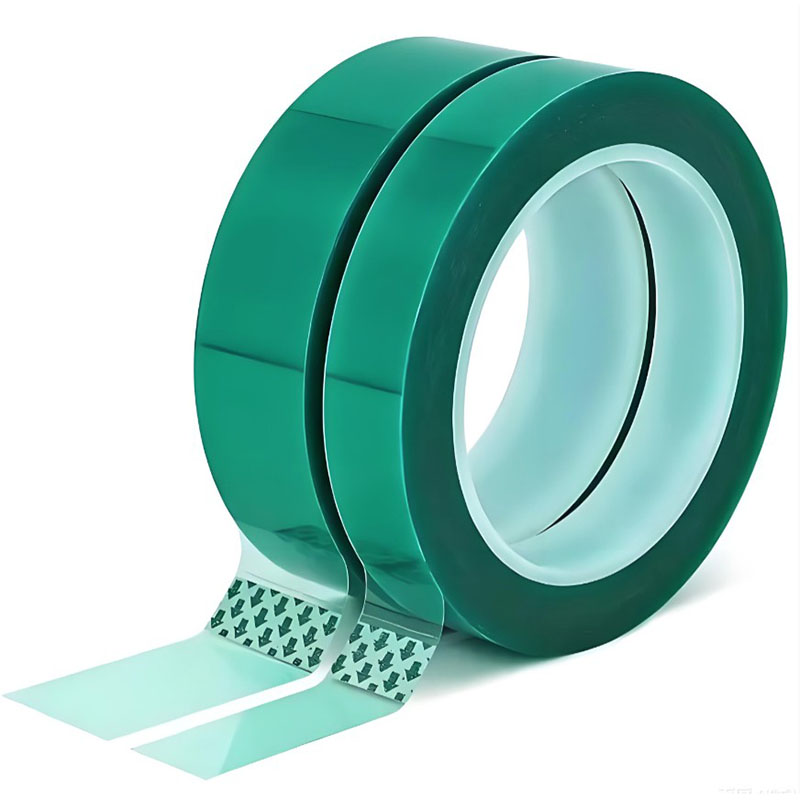
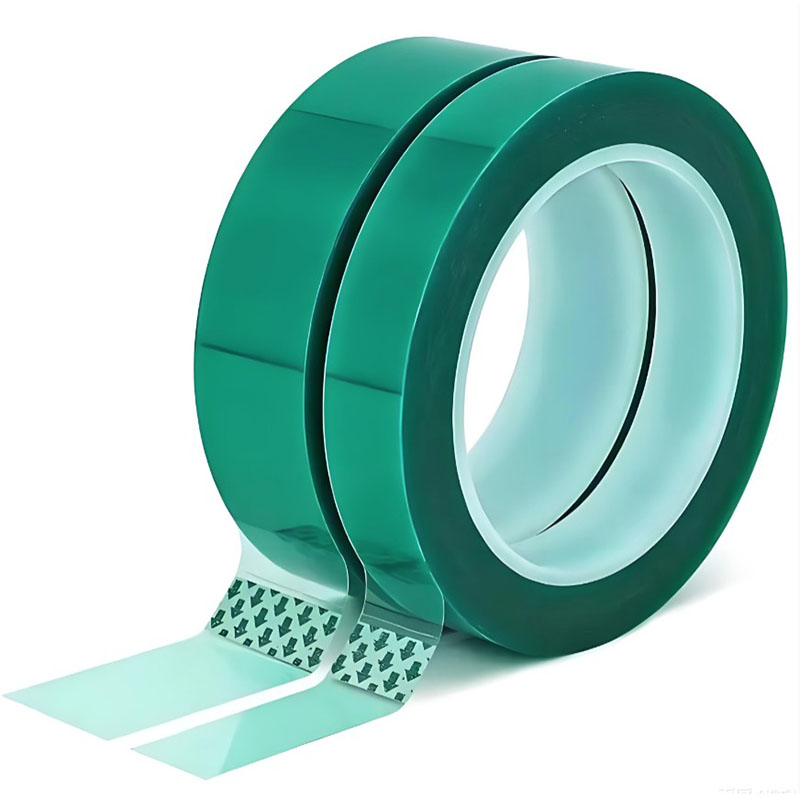
When sourcing high-temperature masking tape, buyers and die-cutting processors often turn to single-sided Polyester Silicone Adhesive Tape. Most focus on temperature resistance and residue performance after baking, while overlooking its basic construction. Without a clear understanding of its structure, issues like edge lifting, adhesive delamination and poor waste stripping frequently pop up during sampling, die-cutting and coating production.
Many buyers, die-cutting factories and coating workshop staff focus first on whether the silicone adhesive layer of Polyester Silicone Adhesive Tape can withstand high temperatures and leave no residue after baking. However, they often overlook the thin release liner on the back. Many new operators peel it off and discard it right away, treating it merely as protective paper. In fact, the release liner is not an optional accessory. It directly affects the stability of tape storage, die-cutting processing and on-site masking applications.
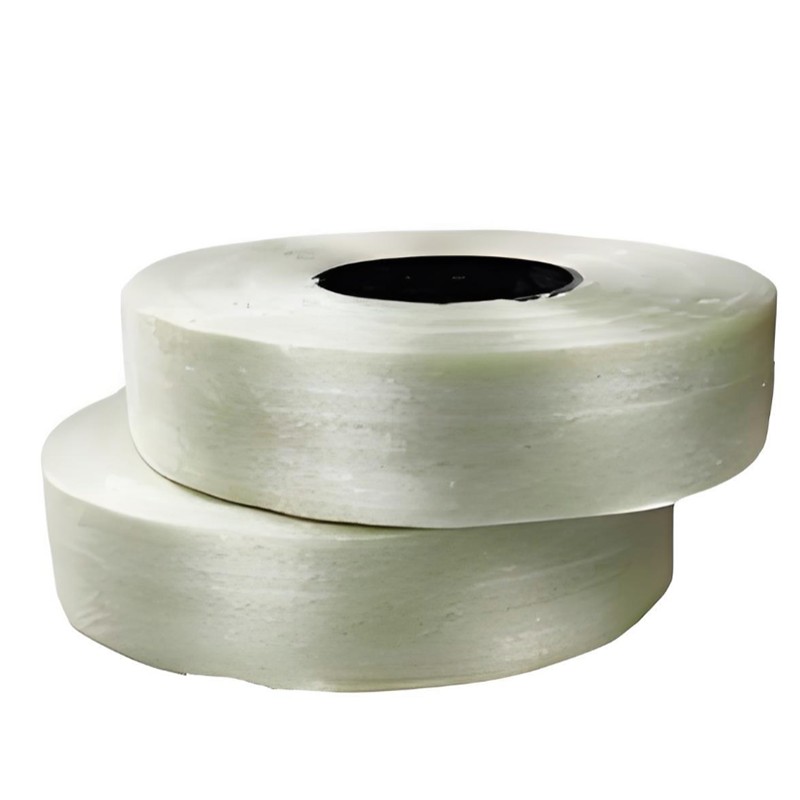
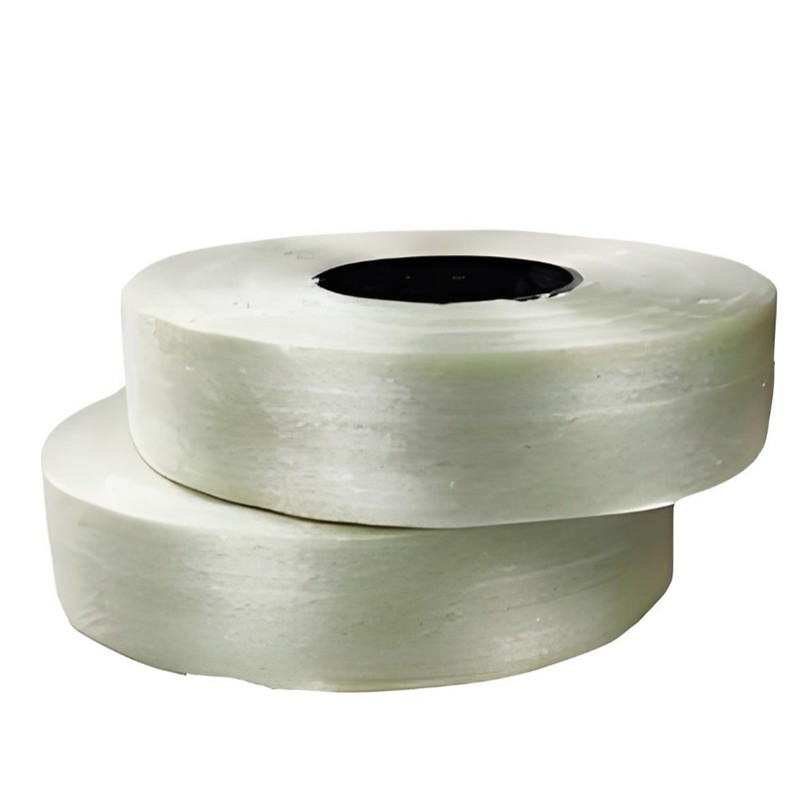
Unidirectional Glass Fiber Tapes are composed of parallel continuous glass filaments with a small amount of sparse stabilizer weft yarns. Its tensile strength concentrates along the fiber axis, making it a widely used FRP material for flexural and shear strengthening of concrete beams, slabs, columns and masonry structures. Compared with fiberglass tapes for general industrial, anti-corrosion or thermal insulation applications, unidirectional glass tape for structural reinforcement has mandatory special requirements on fiber substrate, mechanical properties, alkali resistance, interfacial wetting, construction adaptability, safety certification and traceability, which directly determine the long-term structural safety of retrofitted buildings.
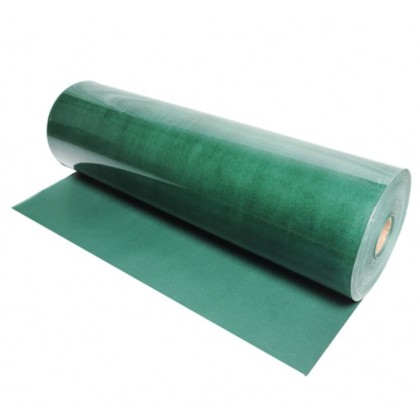
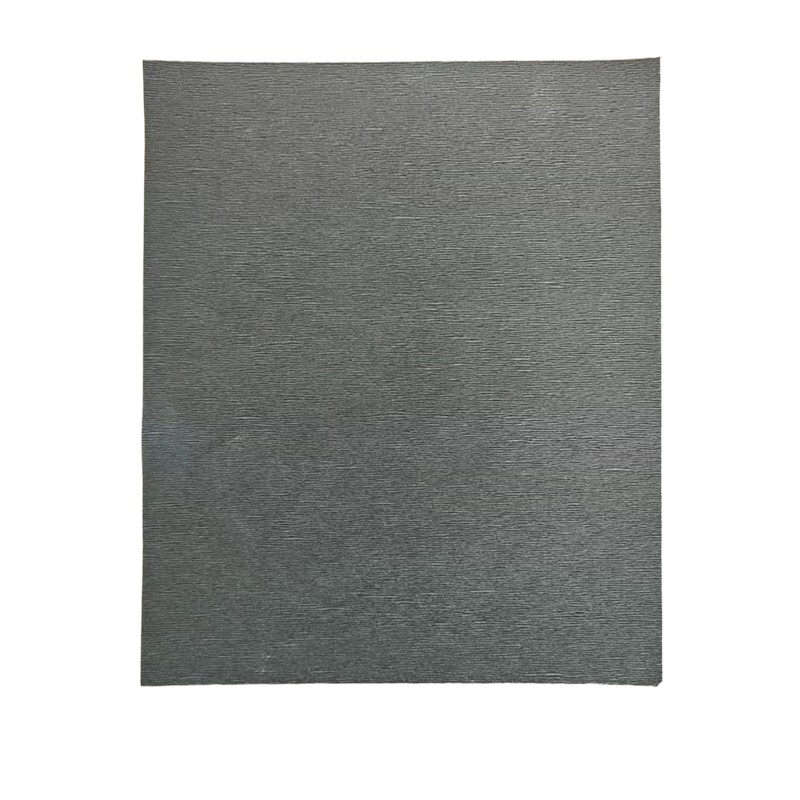
Ordinary crepe insulating paper is a high-resistance insulating material. It relies on cellulose to provide electrical isolation with high resistivity. Its main function is to withstand voltage and block electric current. Electrical Insulation Semiconductor Crepe Paper is blended with uniform semi-conductive fillers. It has stable medium-low surface resistivity. It does not serve as main insulation. Its core function is to homogenize electric field, shield sharp edges and eliminate concentrated local electric field. Different material characteristics define their applicable scenarios.
Unidirectional Glass Fiber Tapes is a high-performance reinforcing material widely used in structural reinforcement, wind power, pressure vessels, shipbuilding and composite manufacturing. Its mechanical properties depend heavily on proper storage. Improper storage will cause moisture absorption, aging of sizing agent, fiber delamination and reduced resin wettability, directly lowering the tensile strength of finished composite parts. There are obvious differences in storage specifications between dry unidirectional fiberglass tape and prepreg unidirectional fiberglass tape.
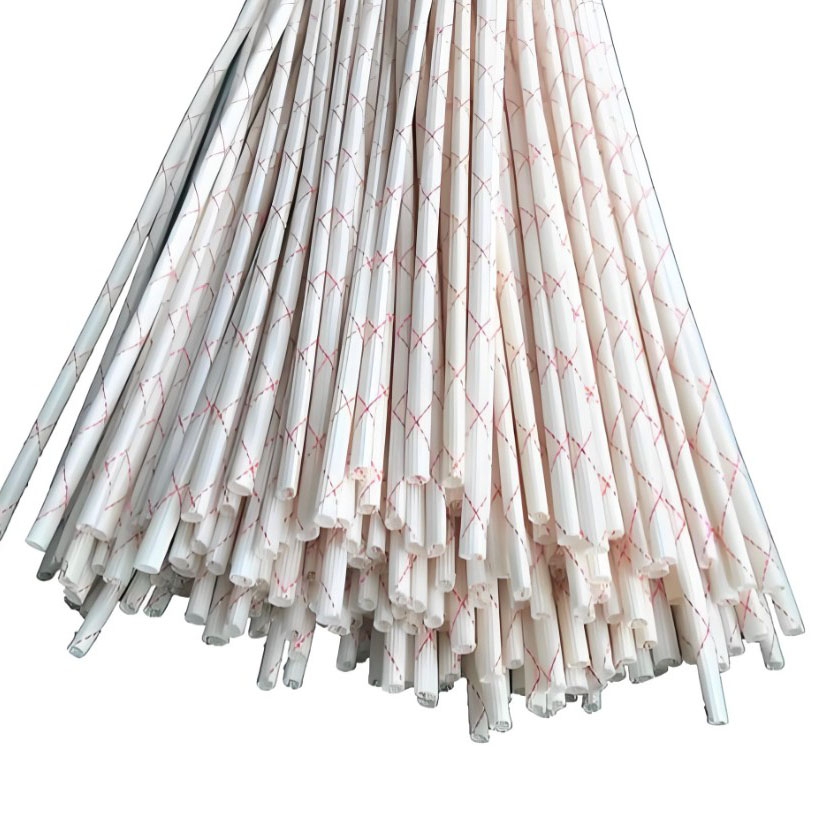
PVC Coated Fiberglass Sleeve is a flexible insulation pipe made of alkali free glass fiber as the base, coated with modified PVC resin on the outer layer, and plasticized at high temperature. The product combines the mechanical toughness of glass fiber with the insulation, corrosion resistance
We use cookies to offer you a better browsing experience, analyze site traffic and personalize content. By using this site, you agree to our use of cookies. Privacy Policy

 05 2026-11
 05 2026-11
 26 2026-10
 20 2026-10
 15 2026-10
 09 2026-10