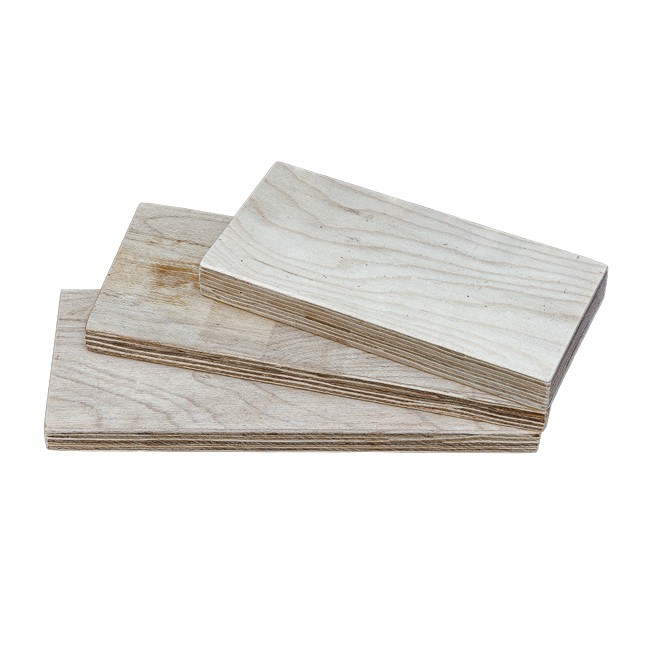
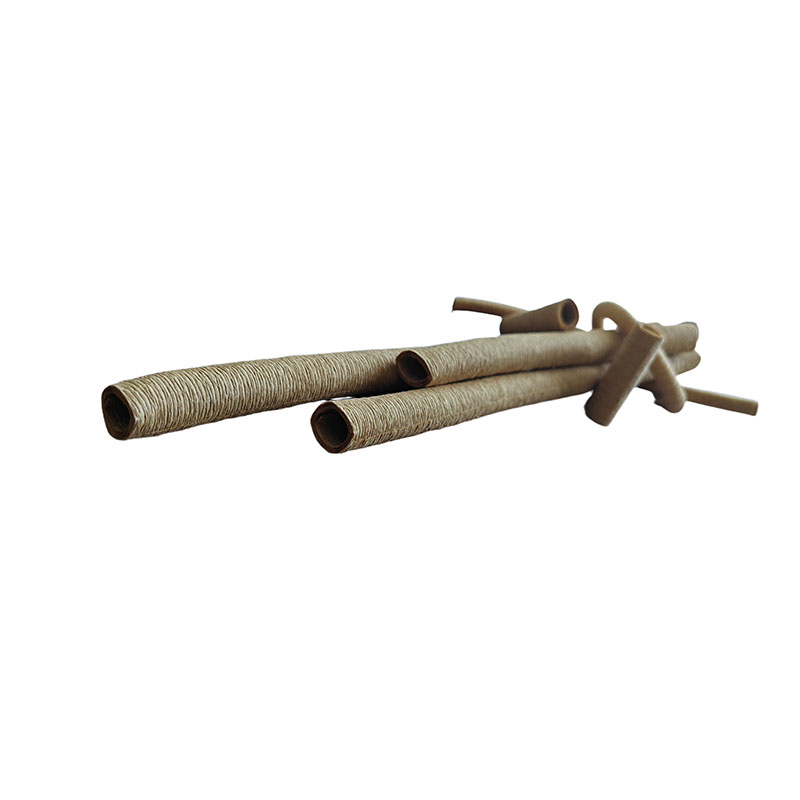
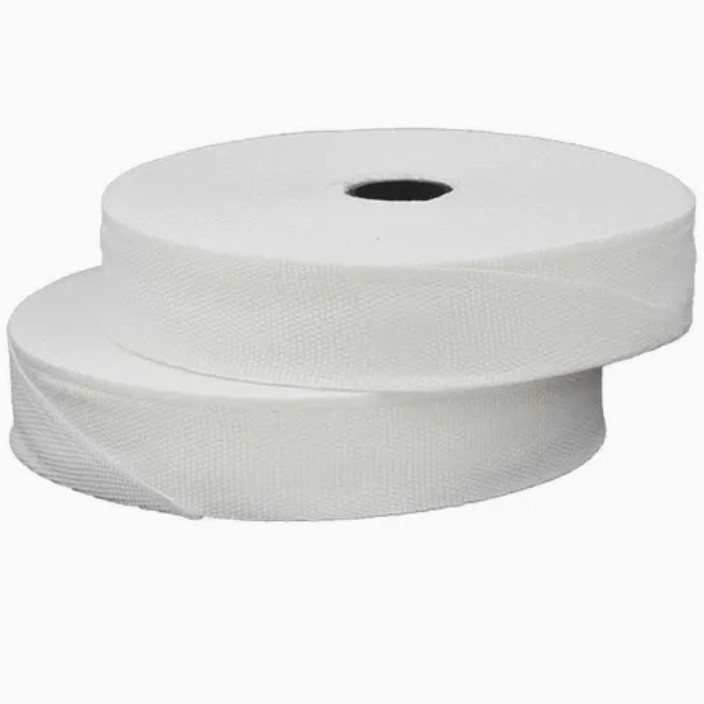
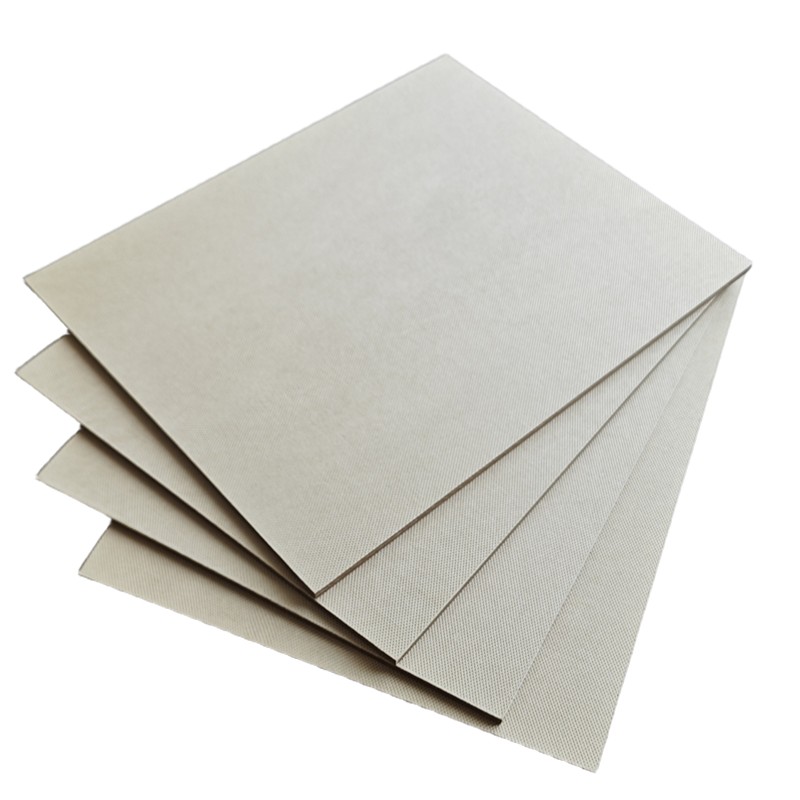
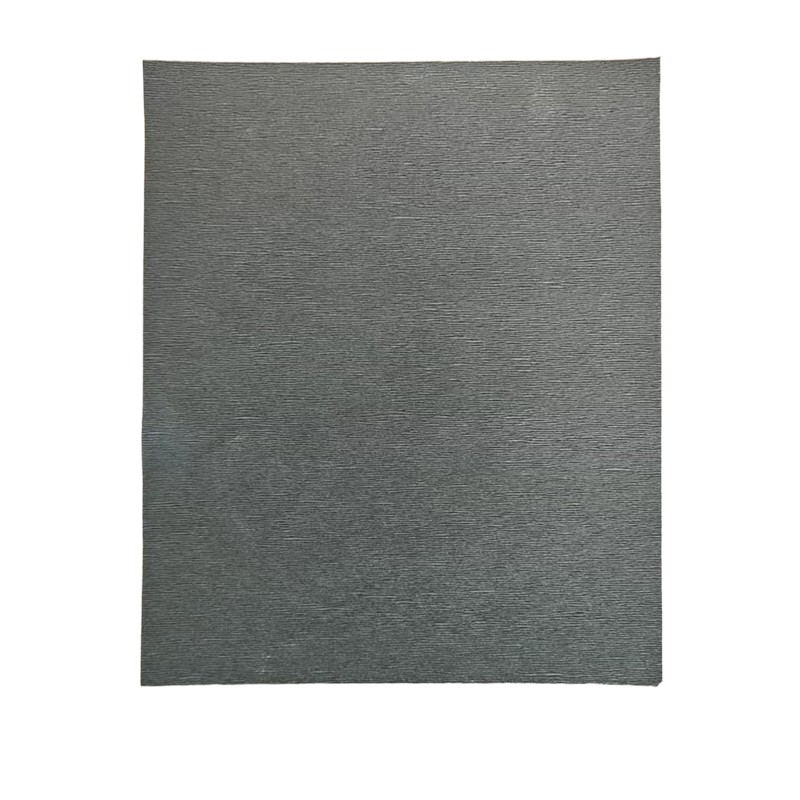
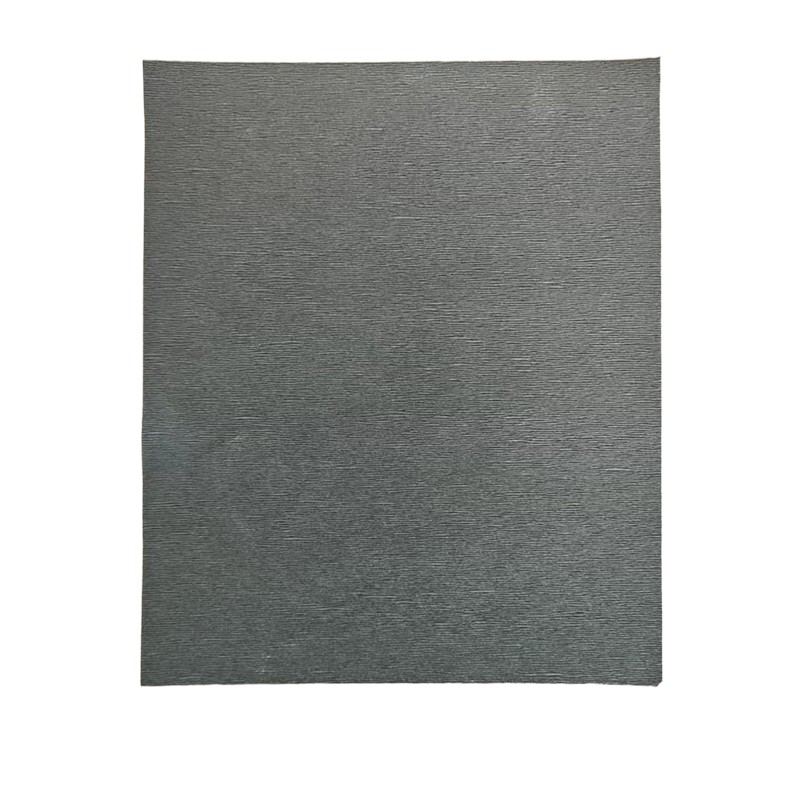
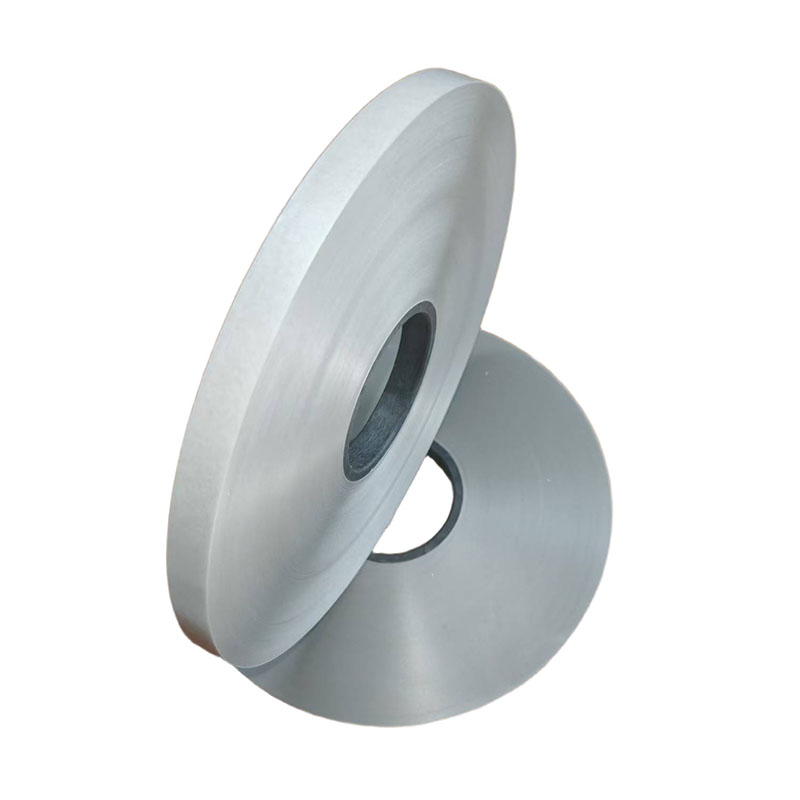
Electrical Insulation Precompressed Pressboard is a solid insulation support material for oil immersed power transformers and reactors, mainly used for load-bearing insulation structures such as winding end pressure plates, insulation pads, and support bars. The core process that determines its high mechanical strength, low compression creep, and excellent electrical insulation performance is the preloading process. Below is a detailed explanation of the pre pressing process principle, complete process, and process control points of the electrical insulation pre pressing plate.
1、 Basic principle of pre pressing process for electrical insulation pre pressing plate
The essence of the pre pressing process for electrical insulation pre pressing plates is the physical forming process of densifying cellulose fiber blanks by rearranging and interlocking fibers under controlled temperature, pressure, and time coordination, reducing the internal pores of the blanks, and achieving plate densification.
After forming, ordinary insulation cardboard is only slightly dehydrated and shaped, with loose internal fibers and many pores. The billet of the pre pressed plate is made of high-purity unbleached kraft pulp, and the wet billet is dehydrated and sent to a multi-layer hot press for high-pressure pre pressing.
Under pressure, the interlocking cellulose fibers inside the board undergo displacement, bending, and bonding, and a large number of large-sized pores between the fibers are squeezed and reduced; Under appropriate temperature conditions, hydrogen bonds between cellulose molecules are re formed, creating a strong physical interweaving bond between fibers. Without the addition of resin or adhesive, the dense structure is locked in by cellulose's own hydrogen bonds.
After holding the pressure for a period of time, it cools and solidifies, and the pressure is released. The rebound of the board is controlled at an extremely low level, ultimately obtaining a high-density, low rebound, and low creep electrical insulation pre pressed plate.
Simply put, preloading is not simply flattening cardboard, but using pressure to reconstruct fiber networks, fixing dense structures through hydrogen bonding, and suppressing compression deformation during subsequent use.
2、 Complete preloading process flow
1. Preparation of slabs
High purity insulation wood pulp is selected to produce wet insulation paperboard through long net copying, free water is removed, and the initial moisture content of the board is controlled. The uniformity of the fibers in the blank directly affects the consistency of the density of the pre pressed board.
2. Stacking of raw materials
According to the target thickness of the finished product, multiple blank boards are neatly stacked to ensure that there are no impurities or wrinkles between the layers, and to avoid delamination after preloading.
3. Controlled preloading of hot press machine
Send the stacked blanks into a flat hot press machine, apply pressure and temperature simultaneously, and maintain insulation and pressure.
Pressure: It is the driving force behind fiber compaction, determining the density of the finished product;
Temperature: Enhance the flexibility of cellulose, facilitate fiber bonding, and promote hydrogen bonding;
Pressure holding time: Ensure uniform temperature transfer inside the board and sufficient stability of the fiber structure.
4. Cooling and pressure holding shaping
After reaching the holding cycle, maintain the pressure constant for cooling, which is the most critical process for pre pressing the pressure plate. If the pressure is released and cooled, the fiber will rebound greatly. Maintain pressure cooling to solidify cellulose hydrogen bonds in a dense state, significantly reducing rebound.
5. Pressure relief and aging treatment
After cooling, the pressure is removed, and the board is aged to release internal stress. Then, it is cut and inspected to obtain the finished electrical insulation pre pressed plate.
3、 The core performance improvement brought by preloading process (Google SEO focus, high-frequency search points for users)
1. Compression creep significantly reduced
The preloading process compresses the internal pores, and the fiber network is compacted in advance. When the transformer operates under heat and pressure, the pressure plate will not continue to compress and deform, ensuring long-term stability of the winding clamping force and preventing winding loosening.
2. Higher density and uniform structure
Ordinary insulation cardboard has a low density; The density of the pre pressed plate can be stably controlled in a relatively high range, and the longitudinal and transverse mechanical strength is improved, with stronger resistance to short-circuit impact.
3. Fine and uniform pores, controllable oil immersion characteristics
After preloading, large pores are eliminated, leaving only small connected pores. When vacuum immersed in oil, the insulating oil can fully infiltrate the fibers while avoiding local air gaps caused by excessive pores, improving the power frequency breakdown strength and lightning impulse resistance performance.
4. Improved dimensional stability
After pressure cooling shaping, the thickness rebound rate of the board is low. Under the cold and hot cycling conditions of the transformer, the thickness variation is small and the oil passage clearance is stable.
4、 Electric insulation pre pressing plate vs ordinary insulation cardboard (process difference)
Ordinary insulation cardboard: mainly made by copying and drying, without high temperature and high pressure preloading, loose fibers, large pores, easy to continue creep under pressure, only suitable for non load bearing insulation.
Pre pressing plate: adding high temperature and high pressure pre pressing+pressure holding cooling shaping, dense fiber interlocking, low creep and low rebound, suitable for load-bearing support at the end of transformer windings.
5、 Key quality control points of preloading process (concern of B-end customers)
Purity of raw wood pulp: control the content of metal ions and impurities to avoid affecting the insulation performance;
Pressure, temperature, and holding time curves: Parameter fluctuations can cause uneven density and local stratification;
Pressure holding control during cooling stage: Insufficient pressure holding cooling leads to excessive rebound of the finished product;
Moisture content control: Excessive moisture content in the billet before pre pressing can cause bulging and delamination of the board; Low moisture content, insufficient fiber flexibility, and easy cracking during preloading.
6、 Application scenarios
The electrical insulation pre pressing plate formed by pre pressing process is widely used in oil immersed power transformers, special reactors, and transformers. It is an indispensable solid insulation material for high-voltage transmission and transformation equipment as a load-bearing and insulation integrated component such as winding end pressing plate, insulation pad, support, etc.
We use cookies to offer you a better browsing experience, analyze site traffic and personalize content. By using this site, you agree to our use of cookies. Privacy Policy