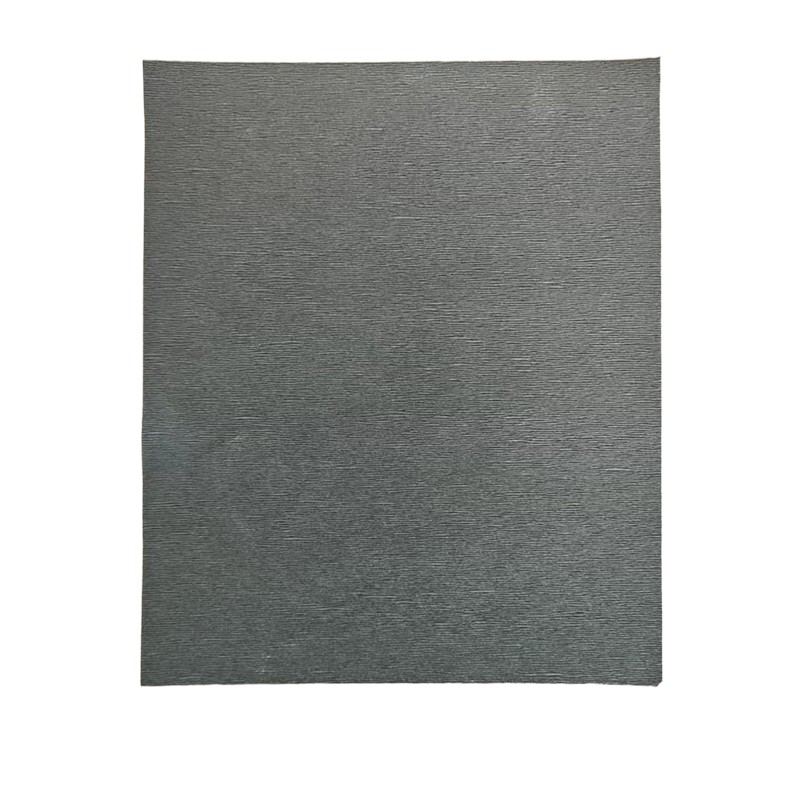
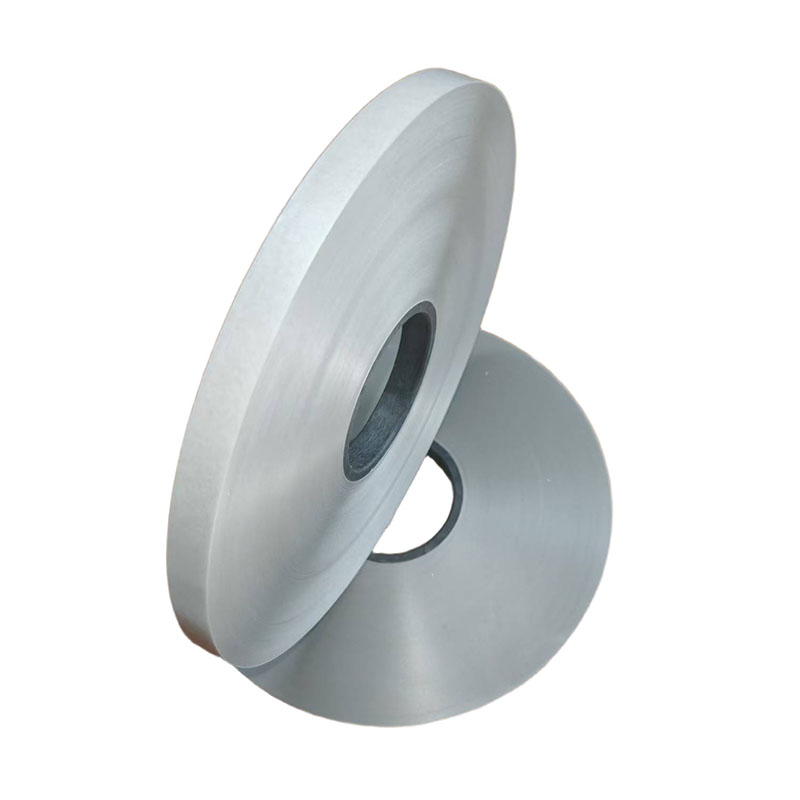
Electrical Insulation Aramid Paper is a high-performance dielectric material widely used in transformers, high-voltage motors, power batteries and electrical winding insulation. Thanks to excellent thermal stability, high dielectric strength and outstanding flame resistance, aramid paper has become an irreplaceable insulation material for high-temperature electrical equipment. However, once electrical insulation aramid paper reaches its service life, its recycling and degradation bring multiple technical and environmental challenges for power equipment manufacturers and waste treatment enterprises.
The core reason why electrical insulation aramid paper is difficult to degrade lies in its special molecular structure. Aramid fiber is a fully aromatic polyamide polymer with rigid molecular chains and strong hydrogen bonding between molecular segments. This stable chemical structure gives aramid paper superior heat resistance and chemical inertness. Under natural environment conditions, aramid paper cannot be degraded by microorganisms. It resists hydrolysis, oxidation and corrosion from most common solvents, so natural degradation takes hundreds of years under normal landfilling conditions.
Another major recycling difficulty of electrical insulation aramid paper is composite contamination. In real electrical equipment applications, electrical insulation aramid paper is usually compounded with mica tape, polyester film, epoxy resin, insulating varnish and adhesive. After long-term operation inside electrical devices, the surface of aramid paper also absorbs insulating oil, carbon dust and metal particles. Mixed impurities make separation extremely hard. Direct mechanical recycling cannot fully remove resin coating and oil pollutants, which will seriously reduce dielectric performance of recycled aramid paper. For electrical insulation materials, residual contaminants will directly lower breakdown voltage and increase dielectric loss, so recycled products cannot be reused in high-voltage insulation scenarios.
High energy consumption is also a key barrier for recycling electrical insulation aramid paper. To break the strong hydrogen bonds of aramid molecules, chemical depolymerization needs strong acid, strong alkali, high temperature and high pressure reaction environment. These chemical recycling processes require expensive corrosion-resistant reaction equipment and consume large amounts of chemical reagents. Meanwhile, the depolymerization reaction will produce waste liquid and by-products, bringing extra wastewater treatment pressure. Thermal treatment methods such as incineration also face problems: high temperature incineration of aramid materials may generate nitrogen-containing harmful gas, and high melting point aramid residues are hard to completely burn.
Performance loss after recycling limits its reuse value. Even if recycled aramid fiber is obtained after complex separation and depolymerization, the molecular chain of aramid will break during recycling treatment. The recovered fiber length, tensile strength and dielectric properties decline significantly. The recycled material can hardly meet the strict requirements of electrical insulation, so it can only be used for low-value non-insulation products. Low economic return makes many waste treatment companies unwilling to invest in aramid paper recycling projects.
In addition, waste classification and collection of electrical insulation aramid paper also create practical obstacles. Waste aramid paper is mixed together with copper windings, silicon steel sheets and other components when power equipment is scrapped. Manual disassembly costs high labor, while automatic sorting technology for aramid insulation materials is not popularized. There is still no mature industrial recycling chain specially for waste electrical insulation aramid paper in many regions.
As power industry develops rapidly, the consumption of electrical insulation aramid paper keeps rising. Facing these recycling and degradation challenges, many material research institutions focus on two directions: developing degradable modified aramid insulation materials and optimizing low-cost depolymerization technology. In the short term, reducing waste generation by extending service life of electrical insulation aramid paper remains one of the most economical solutions.
We use cookies to offer you a better browsing experience, analyze site traffic and personalize content. By using this site, you agree to our use of cookies. Privacy Policy