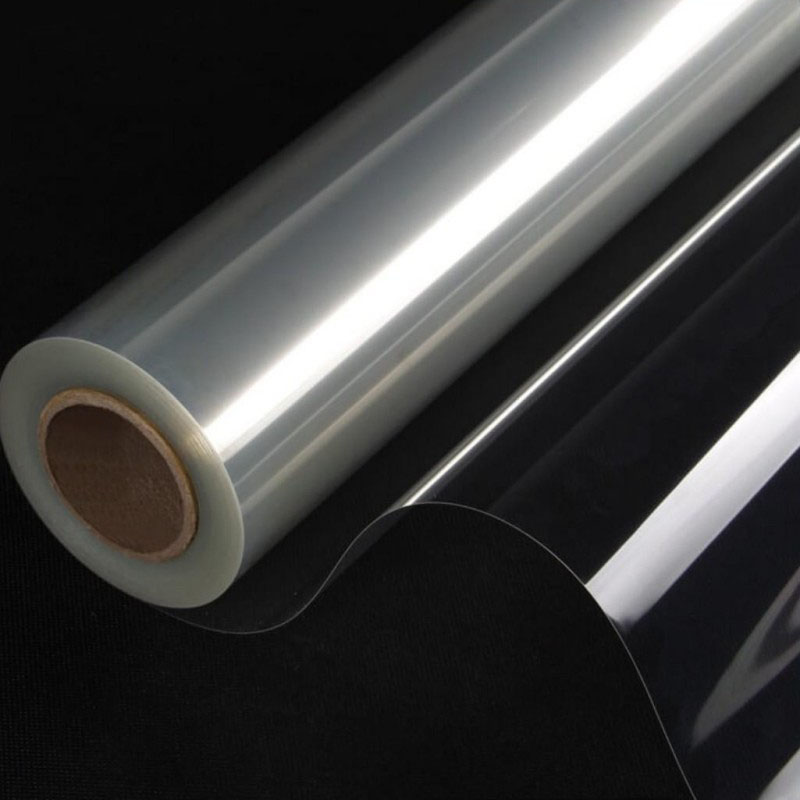
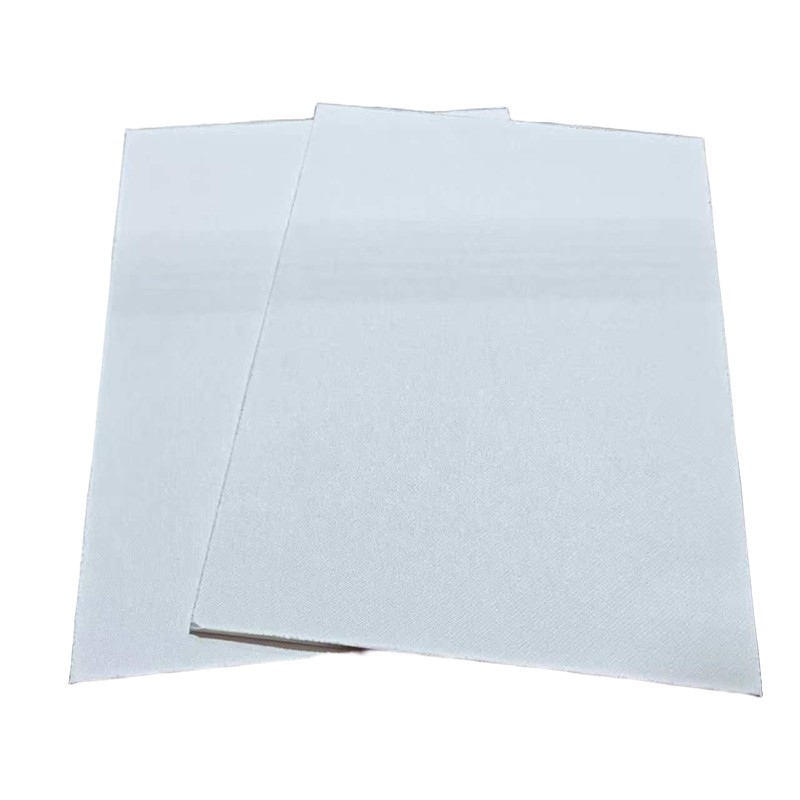
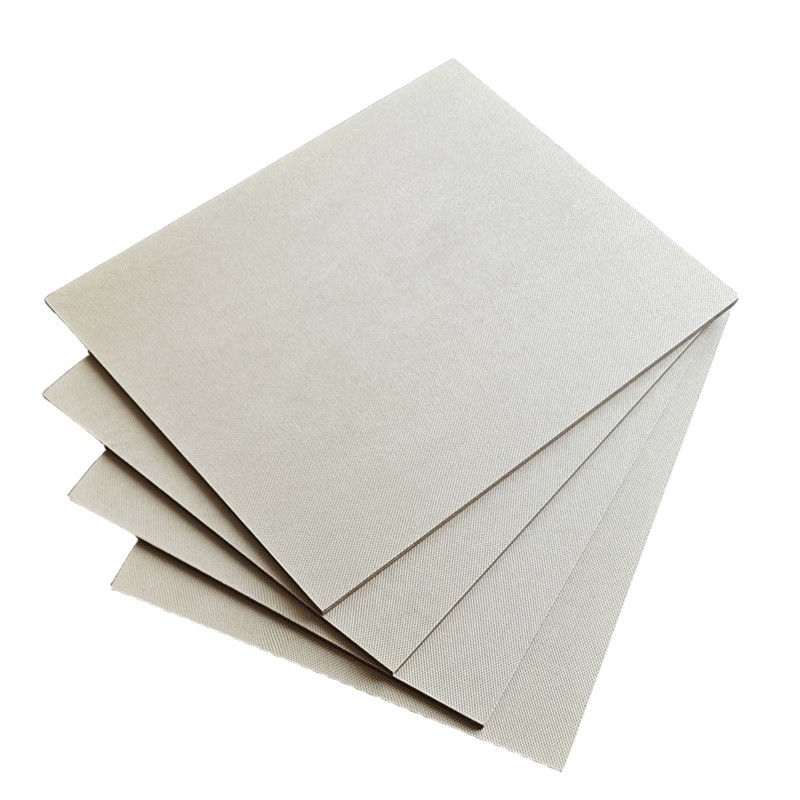
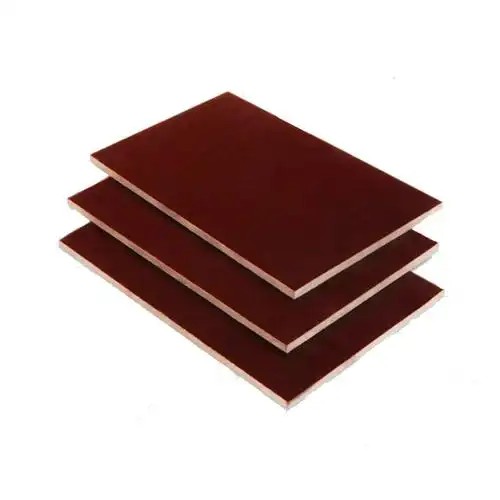
Unidirectional Glass Fiber Tape is a reinforcing material in which fibers are highly oriented along a single direction. Its core function is to provide extremely high strength, stiffness, and structural reinforcement in a specified direction, while achieving lightweight and functionalization. It is widely used in industries such as construction, new energy, and rail transit. Its function can be divided into two dimensions: core structural function and segmented scene functional function, as follows:
1、 Core structure function (basic function)
Targeted high-intensity enhancement
Fiberglass fibers are arranged parallel to each other in a single direction without cross weaving loss. The mechanical properties are highly concentrated along the fiber direction, and the tensile strength and elastic modulus are much higher than those of woven fiberglass cloth. It can provide targeted reinforcement to the stress direction of the component, solve the problem of insufficient local or overall strength, and achieve excellent strength performance per unit weight, achieving the strengthening effect of "replacing weight with light".
Precise control of mechanical properties
According to the stress characteristics of the component (such as uniaxial tension, bending, and torsion resistance), the laying direction, number of layers, and thickness of the fiberglass tape can be flexibly selected to accurately control the mechanical properties of the component in different directions, avoid material waste in non stress directions, and optimize structural design efficiency.
Lightweight alternatives to traditional materials
The density is much lower than that of metal materials such as steel and aluminum alloys. Under the same strength requirements, the weight of composite components reinforced with unidirectional fiberglass strips can be reduced by 30% to 70%, while retaining or even improving structural performance. It is one of the core materials for lightweight design.
Dimensional stability and deformation resistance
Fiberglass itself has an extremely low coefficient of thermal expansion. The unidirectional arrangement structure further reduces the anisotropic deformation of the material, effectively suppressing the warping and tensile deformation of the component under temperature changes and external forces, ensuring the dimensional accuracy and long-term stability of the component.
2、 The specific functional role of segmenting scenarios
1. Industrial manufacturing and composite materials field
Wind turbine blade/photovoltaic component reinforcement: used for structural reinforcement of wind turbine blade main beams, web plates, photovoltaic frames, and brackets, to enhance wind load resistance and deformation resistance, while reducing the overall weight of blades and photovoltaic modules, and adapting to the trend of large-scale and lightweight.
Automotive/rail transit lightweighting: applied to new energy vehicle battery pack shells, vehicle chassis, rail transit cabin interiors/structural components, while meeting collision and vibration intensity requirements, reducing vehicle weight to improve range and reduce energy consumption.
Corrosion prevention and reinforcement of pipelines/storage tanks: Wrapped around the outer walls of oil and gas pipelines and chemical storage tanks, it provides structural strength support and utilizes the corrosion resistance of fiberglass to prevent pipeline corrosion and leakage, extend service life, and replace traditional metal reinforcement layers.
2. Building reinforcement and restoration field
Concrete structure reinforcement: pasted on the tensile zone of beams, slabs, columns, and shear walls, replacing traditional steel bonding reinforcement technology, improving the bending, shear, and seismic resistance of concrete components, convenient construction, and not increasing excessive self weight of components, suitable for reinforcement and renovation of old buildings and bridges.
Masonry structure reinforcement: used for seismic reinforcement of brick walls and block walls, enhancing the overall integrity and crack resistance of the wall, and reducing the risk of wall collapse under external forces such as earthquakes.
3. Electrical and insulation field
High voltage electrical insulation: Utilizing the excellent insulation properties of fiberglass as an insulation reinforcement material for high-voltage cables, transformers, and switchgear, the unidirectional arrangement structure can adapt to the molding process of cable winding and transformer insulation components, while enhancing the mechanical strength of the insulation structure and preventing damage to the insulation layer.
Electronic substrate reinforcement: used as a reinforcement layer for high-end copper-clad laminates and insulation boards, ensuring the dimensional stability and mechanical strength of the substrate, and adapting to the precision processing and long-term use of electronic components.
4. Aerospace and high-end equipment field
Lightweight enhancement of aviation components: applied to aircraft interiors, secondary load-bearing structures, drone bodies/wings, significantly reducing equipment weight and improving flight performance and load capacity while meeting aviation grade strength and flame retardant requirements.
High end sports equipment: used for directional reinforcement of fishing rods, golf clubs, carbon fiber composite bows, etc., providing ultimate strength and toughness along the direction of force, while ensuring the lightweight and maneuverability of the equipment.
5. Other functional applications
Crack resistance and anti-seepage: Used for enhancing the crack resistance of waterproof base layers on road surfaces, bridge decks, and roofs, suppressing the extension of base layer cracks, and improving anti-seepage capabilities with waterproof coatings; It can also be used for sealing and reinforcing pipeline interfaces and building expansion joints.
Thermal protection and size maintenance: Under high temperature conditions (such as industrial furnace linings and engine insulation components), a thermal protection structure is formed by combining with the base material, while relying on a low coefficient of expansion to maintain component size and avoid high-temperature deformation and failure.
We use cookies to offer you a better browsing experience, analyze site traffic and personalize content. By using this site, you agree to our use of cookies. Privacy Policy