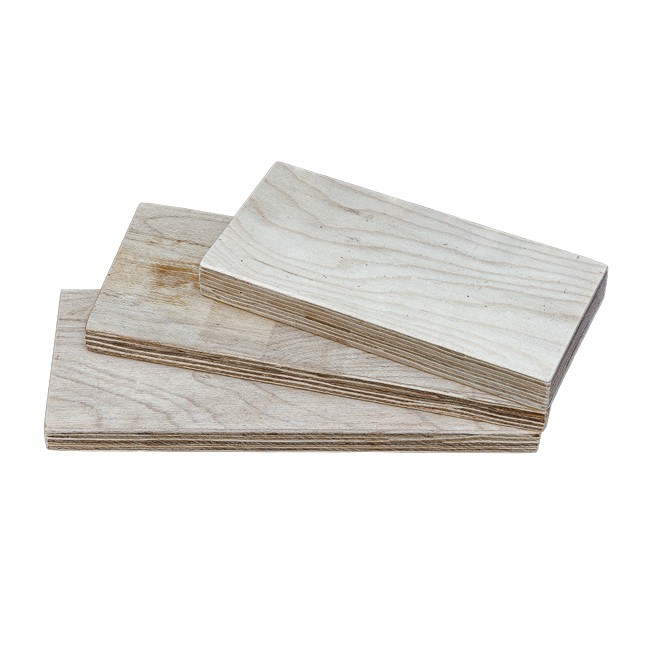
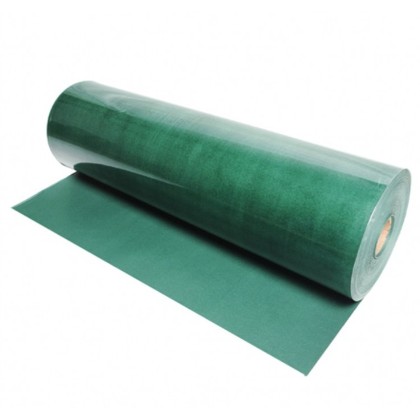
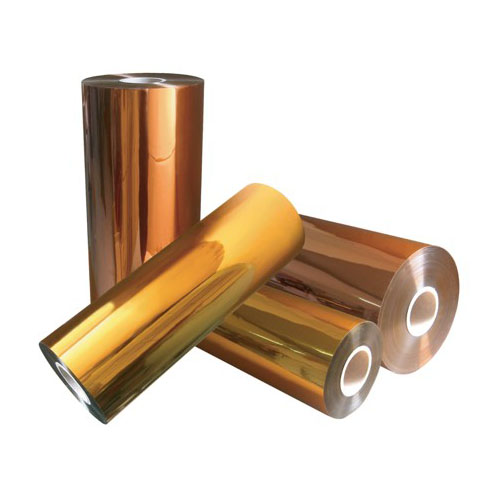
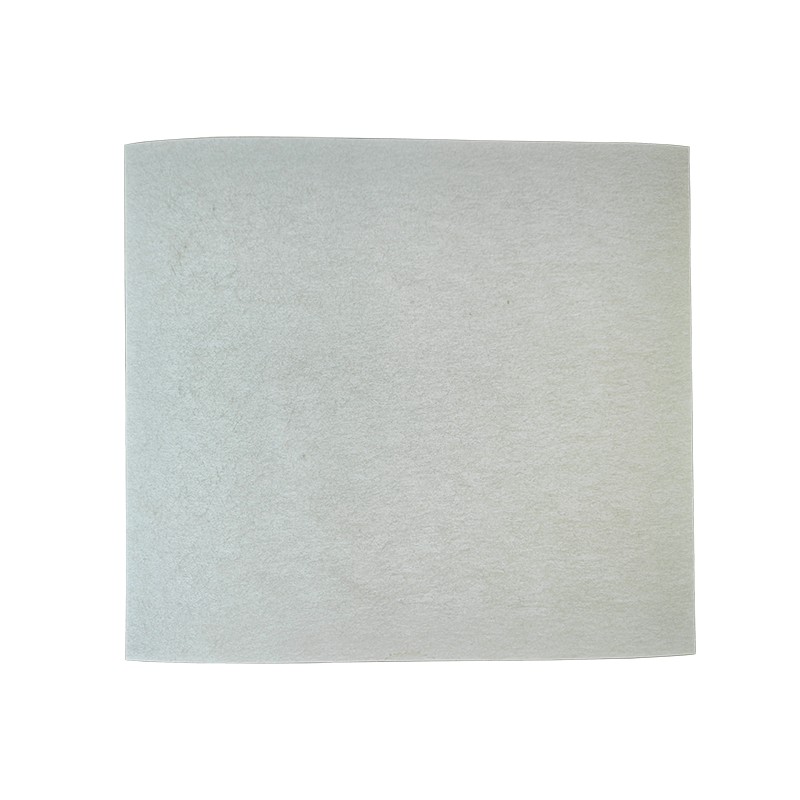
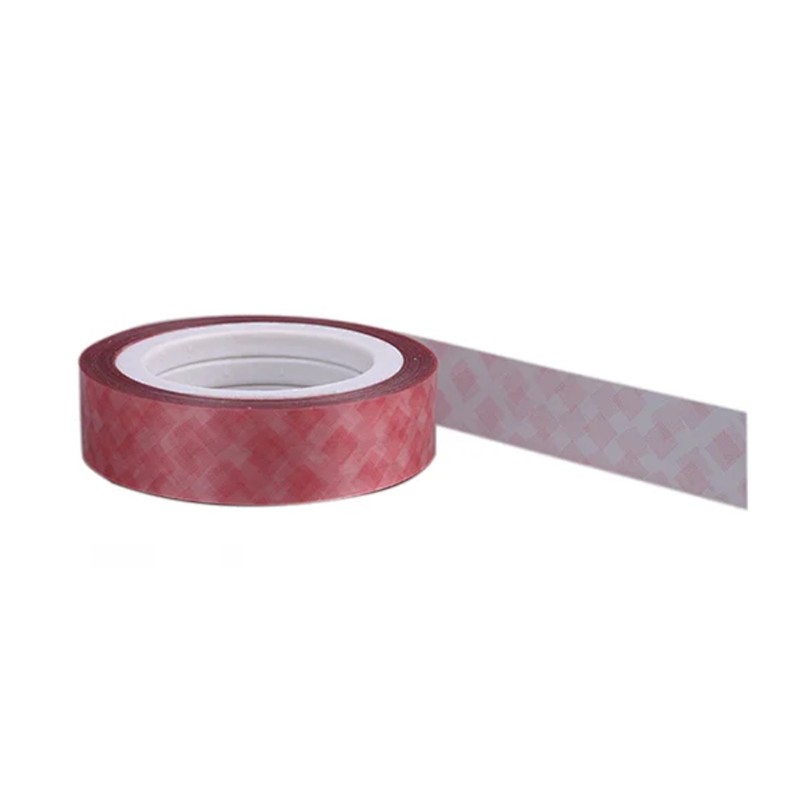
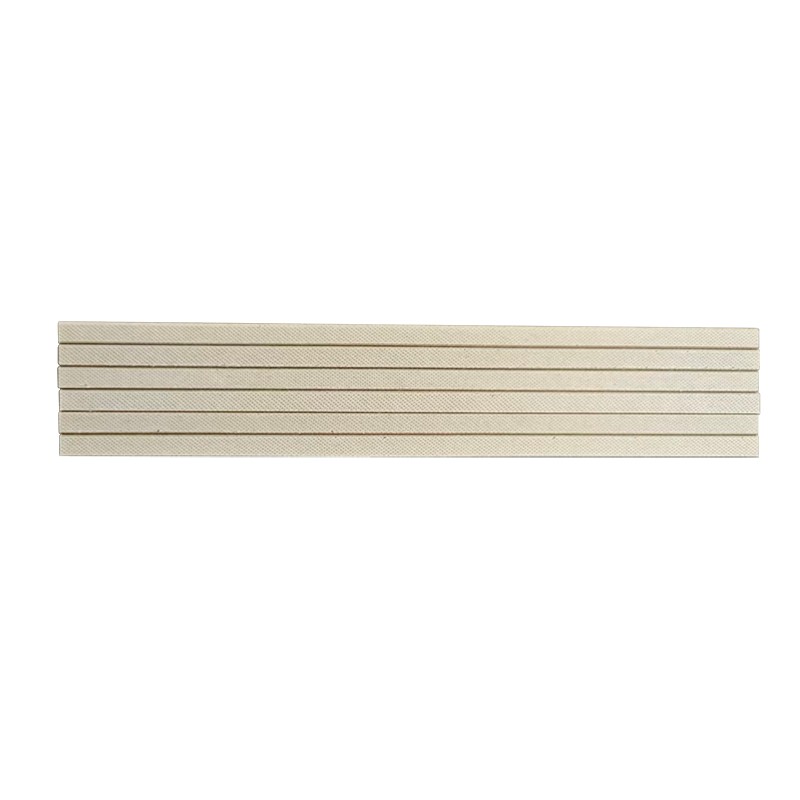
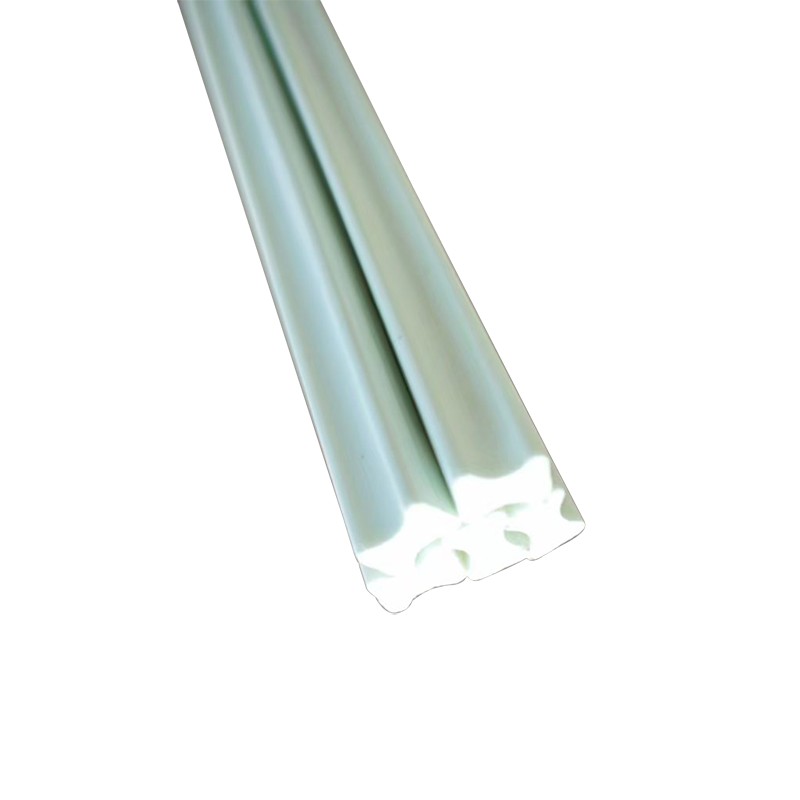
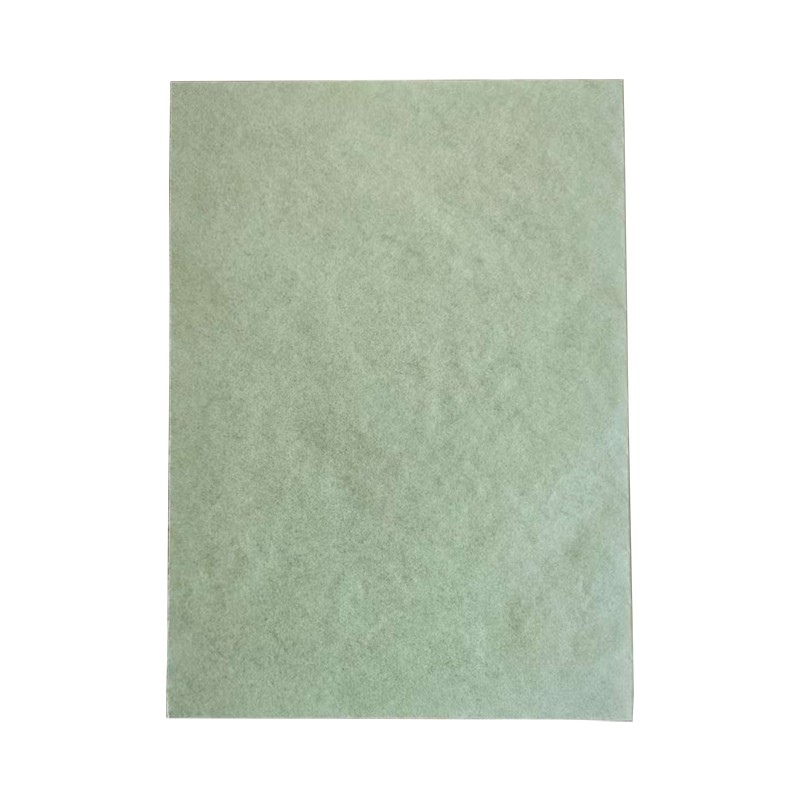
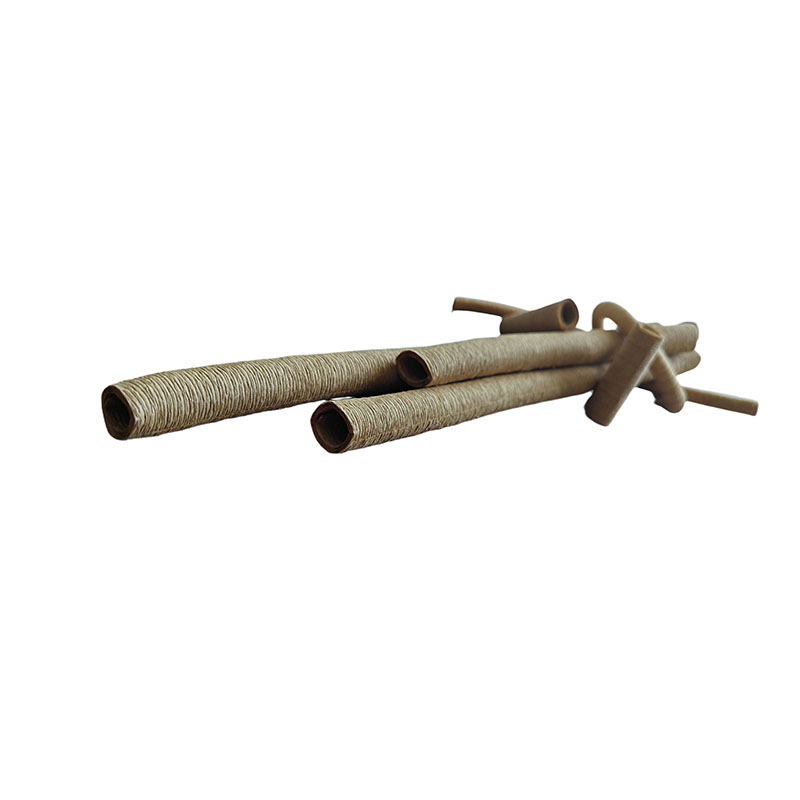
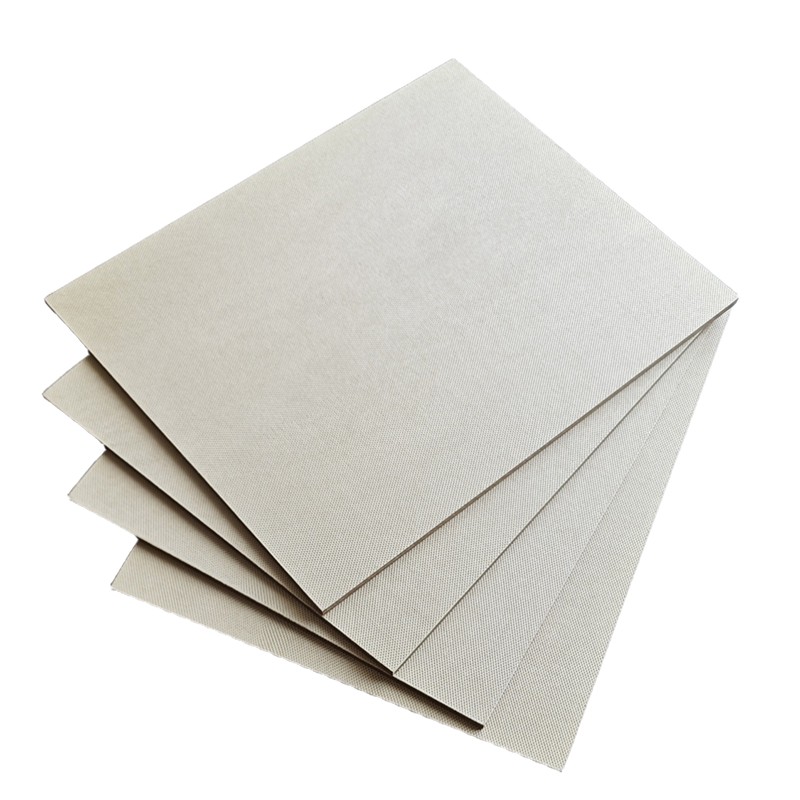
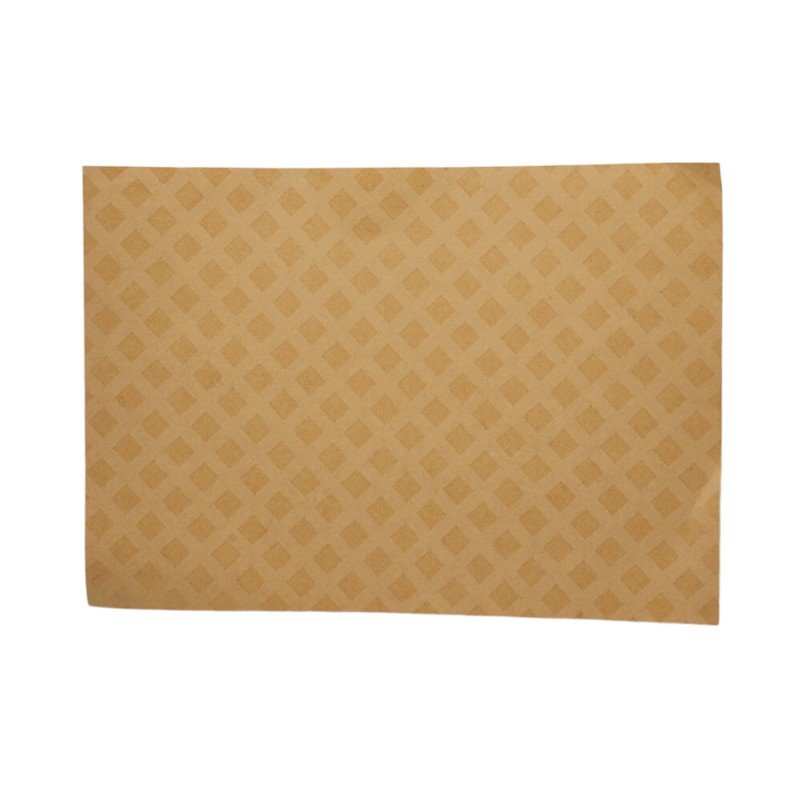
The core characteristic of Unidirectional Glass Fiber Tapes is that the fibers are oriented in a single direction (longitudinal), and all mechanical properties are concentrated in the longitudinal direction of the fiber direction. The transverse direction only relies on resin and a small amount of weft yarn to maintain its shape. It is a typical "anisotropic" composite material product, which combines the corrosion resistance, lightweight, insulation and other characteristics of glass fiber itself, and has strong molding adaptability. Its characteristics can be divided into three categories: core mechanical characteristics, basic material characteristics, and process application characteristics. Each characteristic is developed around the core design of "unidirectional reinforcement and directional force", and is suitable for various working conditions that require unidirectional tensile, flexural, and impact resistance. The specific characteristics and practical value are as follows:
This is the core feature that distinguishes Unidirectional Glass Fiber Tapes from twisted coarse gauze, checkered cloth, and other bidirectional fiberglass products, and it is also the core application value of unidirectional fiberglass tape:
Excellent longitudinal mechanical properties: 100% of the fibers are arranged longitudinally without directional dispersion loss. The longitudinal tensile strength, bending strength, and elastic modulus are much higher than those of the same specification bidirectional glass fiber ribbon. It can efficiently withstand uniaxial tensile, compressive, and bending loads. Under the same weight, the longitudinal tensile strength is 2-3 times that of ordinary square cloth, making it one of the best choices for lightweight directional load-bearing structures.
Weak lateral performance and anisotropy: The longitudinal fiber bundles are fixed only by a small amount of fine weft yarns (or bonding resins) in the lateral direction, without effective load-bearing fibers. The lateral tensile and shear performance is extremely weak, and it cannot withstand large lateral loads. This characteristic determines that it is only suitable for working conditions with a single principal stress direction, and it is necessary to avoid lateral stress or use other materials to compensate for lateral performance.
High specific strength and specific modulus: It has significant lightweight characteristics, with longitudinal specific strength (strength/density) superior to steel. When subjected to the same longitudinal load, its weight is only 1/4~1/3 of traditional metal materials, which can greatly achieve structural lightweighting. Moreover, it has good longitudinal fatigue resistance and is not prone to performance degradation under repeated unidirectional loads.
2、 Characteristics of basic materials: Inheriting the advantages of fiberglass and adapting to multiple working environments
Unidirectional Glass Fiber Tapes retains the inherent characteristics of glass fiber itself, and due to the directional arrangement of fibers, some environmental properties are more suitable for engineering applications without additional performance loss:
Good chemical corrosion resistance: acid resistant, alkali resistant, and organic solvent resistant (except for strong fluoride and concentrated alkali), non rusting and non corrosive. In harsh environments such as humidity, chemical media, and marine atmosphere, the mechanical properties do not significantly deteriorate, far superior to metal products, and no additional anti-corrosion treatment is required.
Excellent electrical insulation properties: high volume resistivity and surface resistivity, low dielectric loss, non-conductive, and do not generate electromagnetic interference. It can be directly used as an insulation reinforcement structure for electrical and electronic equipment, and is resistant to arc and leakage marks, with high safety in use.
High temperature resistance and low thermal expansion: Long term use temperature can reach 120-200 ℃ (alkali free glass fiber), with instantly higher temperature resistance and extremely low longitudinal thermal expansion coefficient. After being compounded with resin, the product has good dimensional stability and is not easily deformed or cracked when the ambient temperature changes, far superior to the thermal expansion characteristics of plastics and metals.
Non magnetic, flame-retardant, and anti-aging: As an inorganic non-metallic material, it is non-magnetic and does not affect electromagnetic signals; The flame retardant level can reach V-0 level (without flame retardants), and it does not burn or produce toxic smoke when exposed to fire; Resistant to UV rays and weather aging, long-term outdoor use without powdering or brittleness, with a long service life.
3、 Process application characteristics: easy to form, compatible with multiple composite processes, easy to secondary process
The structural design of Unidirectional Glass Fiber Tapes conforms to the requirements of composite material forming process, with convenient operation, adaptable to industrial mass production and customized processing, and strong practicality:
The fiber arrangement is neat and the adhesive content is easy to control: the longitudinal fiber bundles are arranged in parallel without winding. When combined with resin, the resin infiltration is uniform, making it easy to control the adhesive content of the product (conventional adhesive content of 30%~50%), ensuring the consistency of the mechanical properties of the finished product and avoiding performance fluctuations caused by uneven fiber dispersion.
Adaptation to mainstream composite processes: It can be directly used for almost all FRP composite processes such as hand pasting, winding, extrusion, molding, vacuum infusion, etc. Among them, winding and extrusion processes are its core adaptation processes - precise layering can be achieved according to the direction of force on the product during winding, and continuous mass production can be achieved during extrusion, with high efficiency.
Easy to cut and lay, suitable for complex structures: can be cut to any width and length according to needs, and can be layered in multiple layers according to the main stress direction of the structure. It can also be used in combination with bidirectional fiberglass cloth and carbon fiber cloth to compensate for lateral performance and meet the stress requirements of different structures. It is suitable for various structural products such as beams, columns, pipes, and plates.
There are various specifications for surface density, suitable for different loads: surface density ranges from tens of g/㎡ to hundreds of g/㎡, and corresponding specifications can be selected according to the force size. Light specifications are suitable for lightweight thin-walled structures, while heavy specifications are suitable for large load bearing structures. Moreover, the performance is linearly improved after multi-layer stacking, and the design flexibility is high
We use cookies to offer you a better browsing experience, analyze site traffic and personalize content. By using this site, you agree to our use of cookies. Privacy Policy