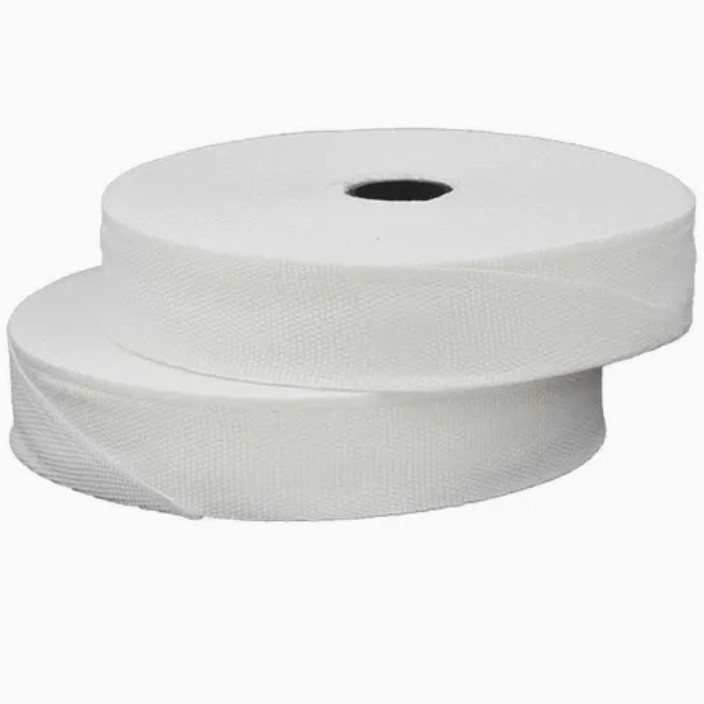
When a motor fails, the root cause is often not the copper or steel—it’s the insulation system that quietly gave up under heat, vibration, moisture, electrical stress, or chemical exposure. This article explains how Electrical Insulation Materials On Motors work as a complete system (not a single sheet or tape), what pain points buyers and maintenance teams face, and how to choose materials that reduce downtime, warranty risk, and unpredictable rework. You’ll also get a practical selection checklist, a comparison table of common insulation materials, and an FAQ that addresses common “what went wrong?” scenarios.

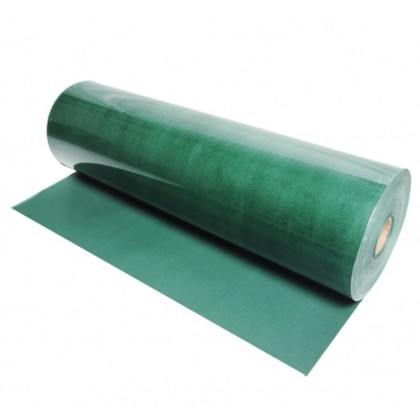
Electrical Insulation Materials On Motors includes every non-conductive component that prevents current from taking the wrong path. That means not only visible parts like slot liners and phase paper, but also tapes, sleeves, wedges, binding cords, varnishes, impregnation resins, and composites that protect windings through the entire life of the motor.
The biggest misconception is treating insulation as a single product. In reality, a motor’s insulation performance comes from a coordinated system:
If you’re buying materials, building motors, or managing maintenance, you’ve probably faced at least one of these:
A practical understanding of Electrical Insulation Materials On Motors helps you target the real failure drivers, so you spend money where it prevents downtime—not where it only looks good on a datasheet.
Think of a motor winding as three protection layers, each with different stress types:
Your material choices must match the stress profile. For example, a motor in a humid environment may need strong moisture resistance and impregnation quality, while a VFD-driven motor may prioritize discharge resistance and robust turn insulation.
Below is a practical comparison table to help you match materials with use-cases. The best choice depends on voltage class, temperature class, duty cycle, and environment.
| Material Type | Typical Forms | Strengths | Watch-outs | Common Motor Applications |
|---|---|---|---|---|
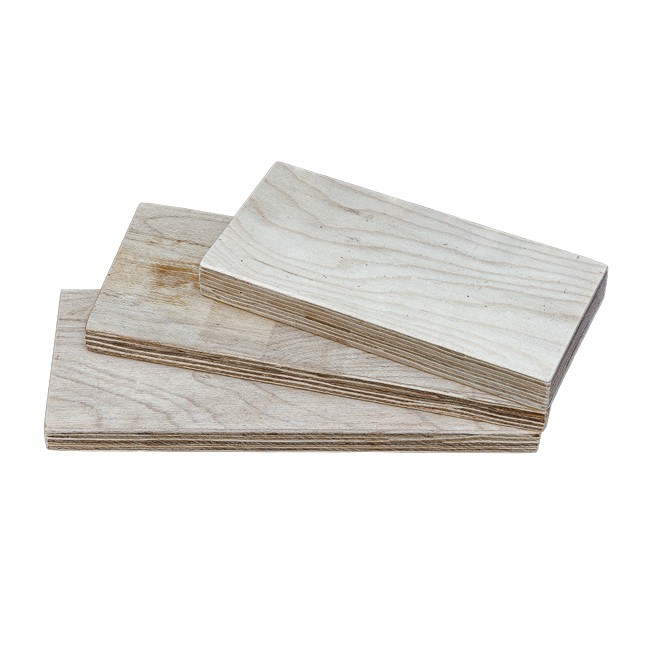
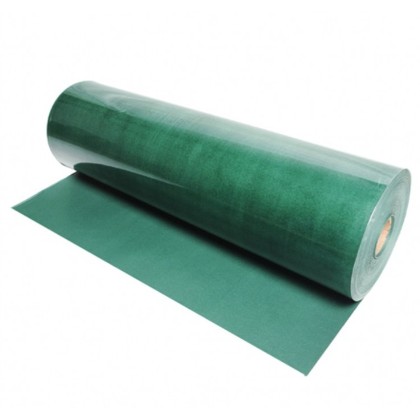
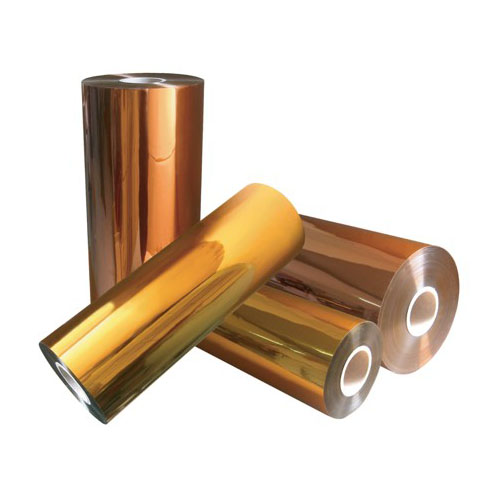
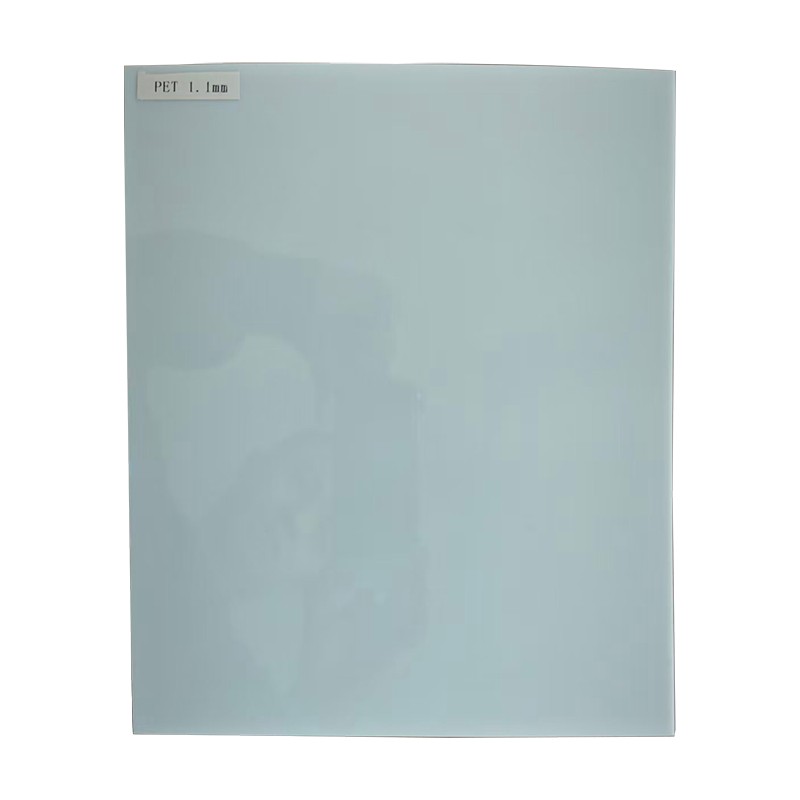
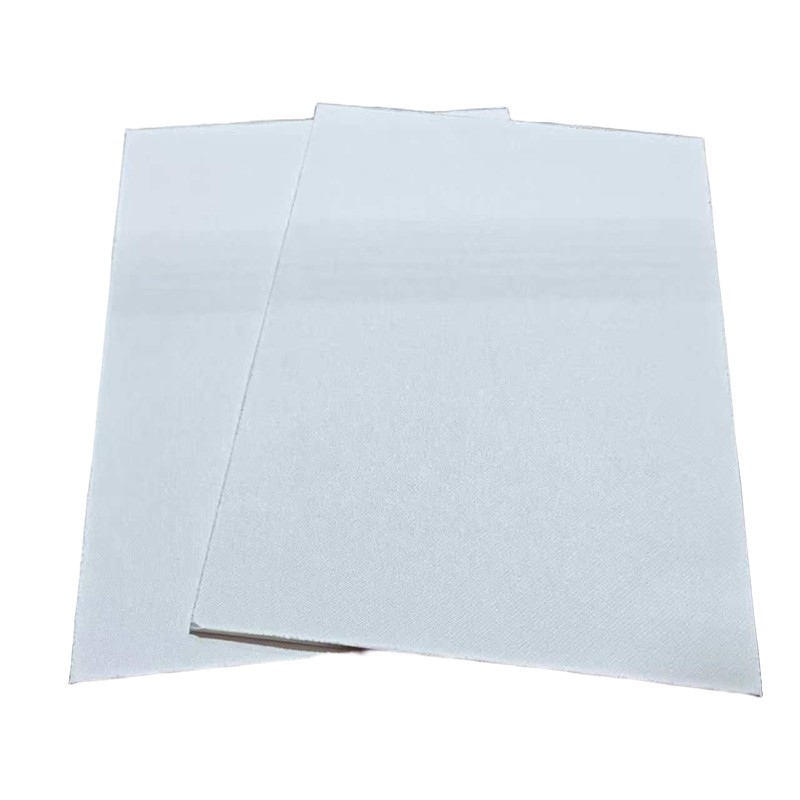
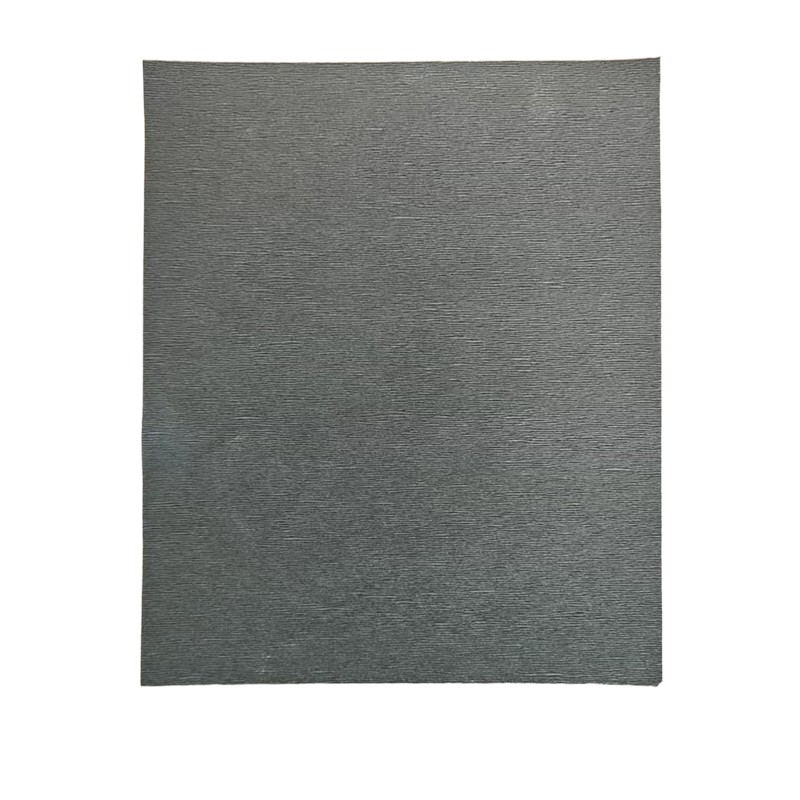
| Polyester film composites | Film, laminate, flexible sheets | Good electrical strength, stable thickness, easy processing | Edge damage if handled roughly; temperature limits depend on composite design | Slot liners, phase separators, interlayer insulation |
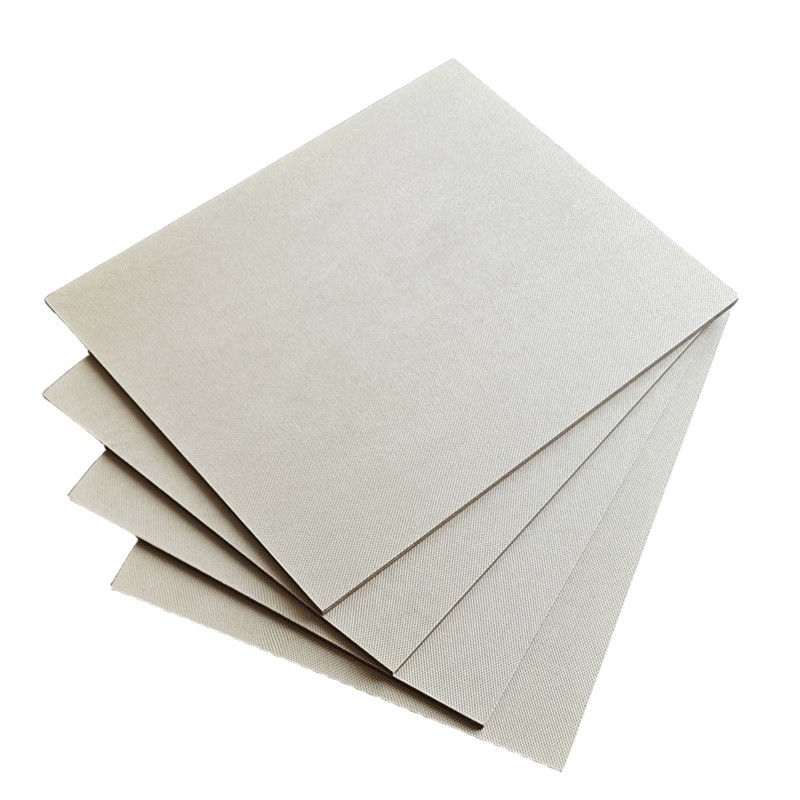
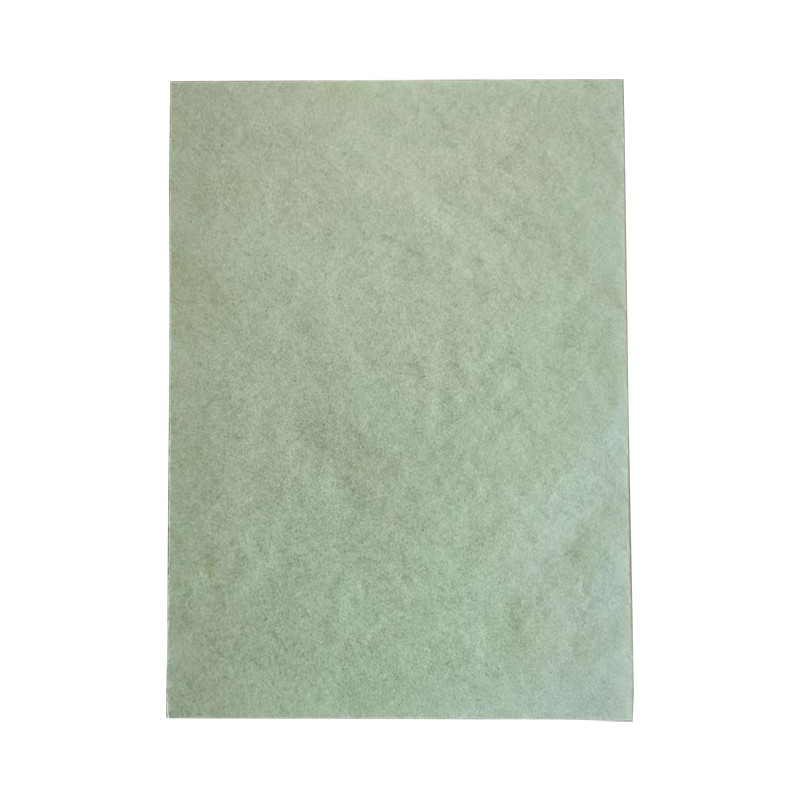
| Aramid paper composites | Paper, laminates | High thermal endurance, good mechanical performance | Cost can be higher; requires clean processing for best adhesion/impregnation | High-temperature motors, heavy-duty applications, demanding environments |
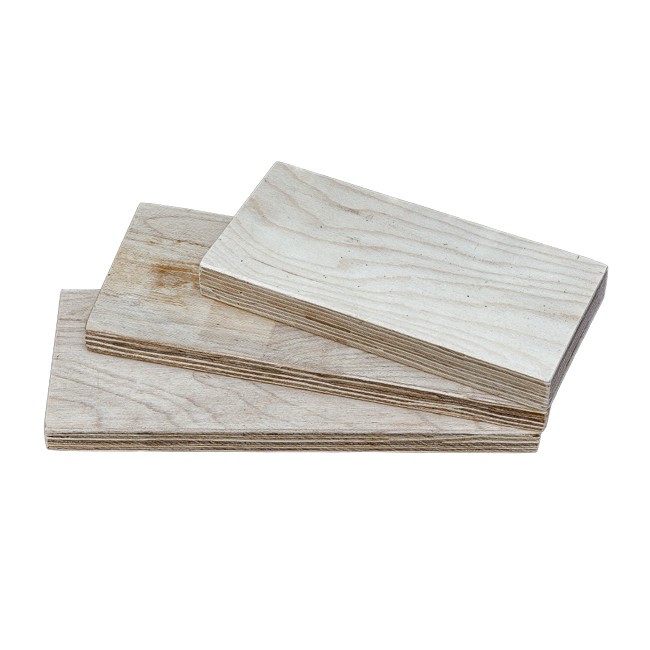
| Fiberglass (with resin) | Sleeving, tape, cloth | Excellent heat resistance and mechanical reinforcement | Can be abrasive; requires proper resin/varnish pairing | Lead wire sleeving, end-winding reinforcement, binding |
| Mica-based insulation | Tape, sheets, composites | Outstanding high-voltage performance and discharge resistance | Processing complexity; thickness and impregnation control matter | Medium/high-voltage coils, critical insulation zones |
| Impregnation varnish/resin | Dip-and-bake varnish, VPI resin | Locks windings, improves dielectric strength, blocks moisture paths | Process-sensitive: viscosity, cure profile, and cleanliness are decisive | Stator impregnation, end-winding stabilization, moisture protection |
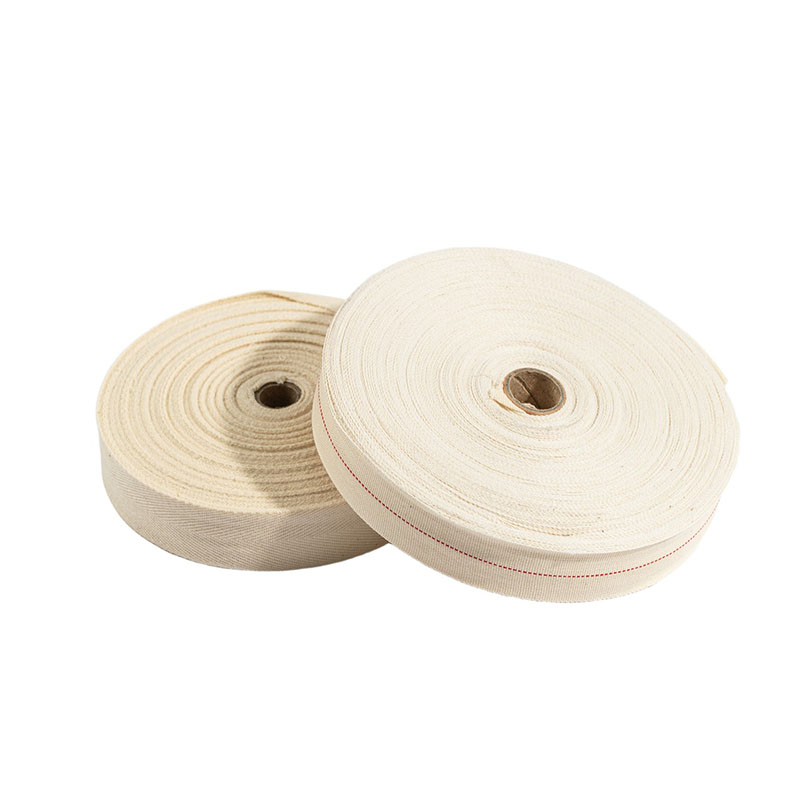
| Elastomeric / specialty tapes | Insulation tape, binding tape | Fast application, good conformability, targeted reinforcement | Adhesive aging under heat; compatibility with varnish is important | Lead exits, coil banding, abrasion protection |
A reliable insulation design often combines multiple materials. For instance, a robust slot liner may be paired with phase paper and fiberglass sleeving at lead exits, then reinforced by a properly cured varnish. This is why Electrical Insulation Materials On Motors should be evaluated as an integrated package.
Here’s a selection workflow you can actually use—whether you’re designing a new motor or replacing insulation in repair.
Practical tip: If you run inverter-driven motors, pay extra attention to turn-to-turn robustness and discharge resistance. A motor can pass basic hipot tests and still degrade quickly if voltage rise times and repetitive spikes are attacking weak spots.
Many buyers also want a stable, repeatable supply chain. This is where working with a specialized manufacturer can reduce variability. Suzhou Hanyao New Materials Co., Ltd. focuses on insulation materials used in motor systems, which can be helpful when you need consistent thickness control, reliable processing behavior, and material options that fit different motor duty profiles.
A strong incoming inspection program prevents headaches later. Depending on your application, consider these checks for Electrical Insulation Materials On Motors:
If you’re seeing batch-to-batch variation, don’t just blame the material. Check storage conditions (humidity and temperature), handling damage on edges, and whether your varnish viscosity and cure profile drifted over time. Insulation performance is extremely process-sensitive.
Insulation failures often look mysterious in the field, but they usually trace back to a few repeatable patterns:
If you only fix one thing: reduce voids and weak points. Many electrical failures begin at tiny air gaps, sharp edges, or poorly bonded layers. Better impregnation control and disciplined assembly practices often deliver outsized reliability gains.

To purchase Electrical Insulation Materials On Motors with fewer surprises, use this checklist when you compare suppliers or approve a new material:
The goal is simple: insulation should reduce total cost of ownership, not just the purchase price. When you treat insulation as a system, you’ll make fewer “cheap today, expensive tomorrow” decisions.
Choosing by a single parameter (like temperature class) while ignoring environment, mechanical stress, and manufacturing process. A material can be “high temperature” yet fail early due to moisture, vibration abrasion, or poor resin compatibility.
Factory tests often validate immediate dielectric strength, but field failures are frequently driven by aging mechanisms—heat cycling, contamination, moisture ingress, and winding movement. These issues accumulate until the insulation margin collapses.
Often, yes. Fast voltage rise times and repetitive spikes can stress turn-to-turn insulation and accelerate discharge-related damage. Strengthening weak points and improving impregnation quality becomes especially important.
Focus on edge protection and toughness: choose liners with better tear resistance, control cutting tools and burrs, and check slot edges. Also verify thickness uniformity to avoid “too tight to insert” situations that lead to damage.
Ask for typical tolerance ranges, batch traceability practices, and guidance on process compatibility (cutting, forming, impregnation, cure). A supplier who understands the full motor insulation system can help you prevent hidden failure modes.
Motors live hard lives—heat, vibration, electrical surges, and messy environments all push insulation toward failure. The good news is that insulation problems are rarely random. With a system approach to Electrical Insulation Materials On Motors, you can improve reliability, cut rework, and stabilize quality across production lots and repair cycles.
If you want help selecting a practical insulation package for your motor type and operating conditions, contact us to discuss your voltage level, environment, thermal target, and process method—so you can move from “it should work” to “it keeps working.”