Suzhou Hanyao New Materials Co., Ltd.
News
HOME > News

How Do Electrical Insulation Materials On Motors Prevent Costly Failures?

2026-01-26 0 Leave me a message

Abstract
If a motor is the “heart” of a machine, insulation is the skin, bones, and immune system all at once. Most motor breakdowns don’t start with dramatic sparks—they start quietly: heat slowly embrittles a film, moisture creeps into porous paper, vibration rubs a slot liner, and tiny electrical discharges chew away at weak points until the winding finally shorts. In this article, I’ll walk through what Electrical Insulation Materials On Motors actually do, the common failure patterns buyers run into, and a practical, procurement-friendly way to choose materials that survive real operating conditions. I’ll also include a quick comparison table, a selection checklist, and FAQs you can use when talking to suppliers like Suzhou Hanyao New Materials Co., Ltd..


Table of Contents


Outline at a Glance

  • Goal: keep windings electrically separated while surviving heat, vibration, moisture, chemicals, and voltage stress.
  • Key items: slot liners, phase separators, wedges, sleeving, tapes, laminates, impregnation resin/varnish systems.
  • Selection logic: match temperature class + voltage class + environment + manufacturing process.
  • Risk reducers: proper thickness, edge quality, dielectric strength margin, thermal aging performance, consistent supply QC.

What Pain Points Do Buyers Face with Motor Insulation?

When people purchase or spec insulation for motors, the “pain” usually looks like one (or more) of these:

  • Unexpected motor failures that appear random, but trace back to insulation degradation.
  • Overheating due to poor thermal endurance or inadequate impregnation compatibility.
  • Partial discharge and corona damage in higher-voltage designs or inverter-driven motors.
  • Mechanical wear (vibration, slot movement, sharp lamination edges) cutting into liners and tapes.
  • Moisture ingress reducing dielectric strength and accelerating aging.
  • Inconsistent quality between batches leading to scrap, rework, and field complaints.

The good news: these are solvable problems—if you treat Electrical Insulation Materials On Motors as a system, not as a single part you buy by thickness alone.


What Counts as Electrical Insulation Materials On Motors?

Electrical Insulation Materials

Motor insulation is not just “paper” or “film.” It’s a set of components that work together to prevent electrical contact between conductors and grounded metal, and between phases of the winding. The most common categories include:

  • Slot insulation (slot liners): placed between the stator core slot and the winding to prevent ground faults.
  • Phase insulation (phase separators): barriers between phase groups to prevent phase-to-phase shorts.
  • Wedge insulation / slot wedges: stabilizes the winding in the slot and reduces movement and abrasion.
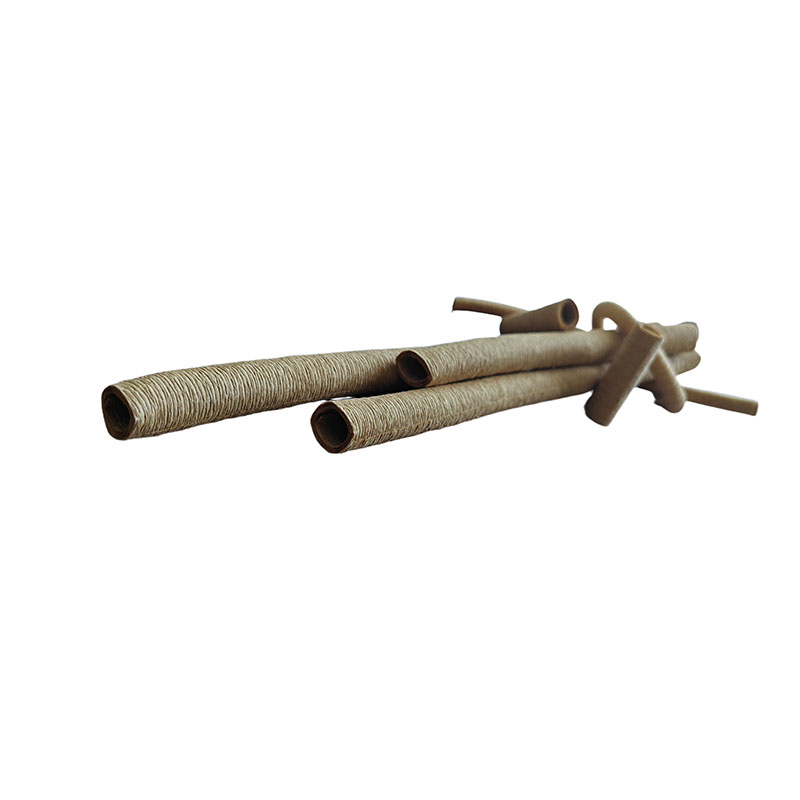
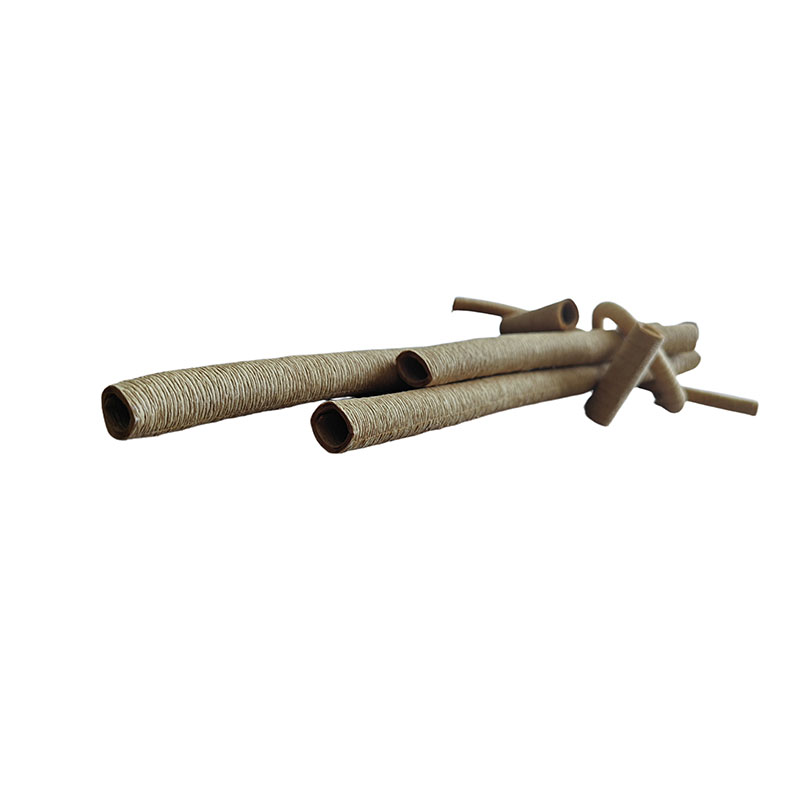
  • Sleeving and tubing: protects lead wires and crossover points from rubbing and sharp edges.
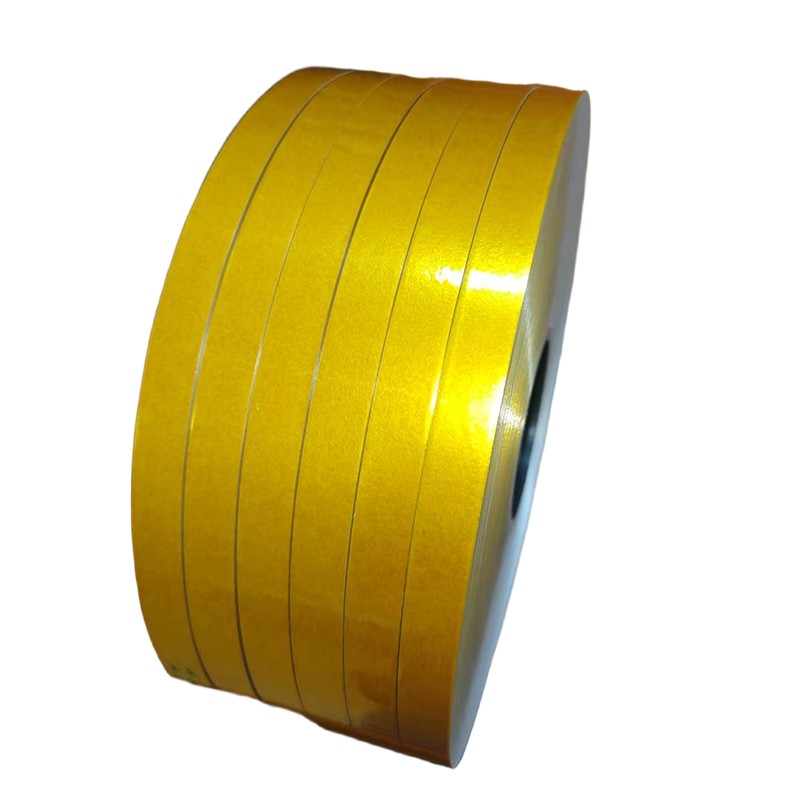
  • Tapes and banding: used for lacing, bundling, end-winding support, and additional dielectric layers.
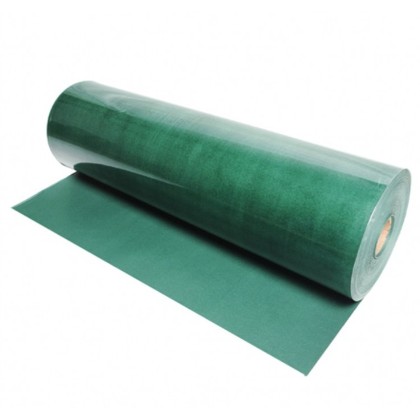
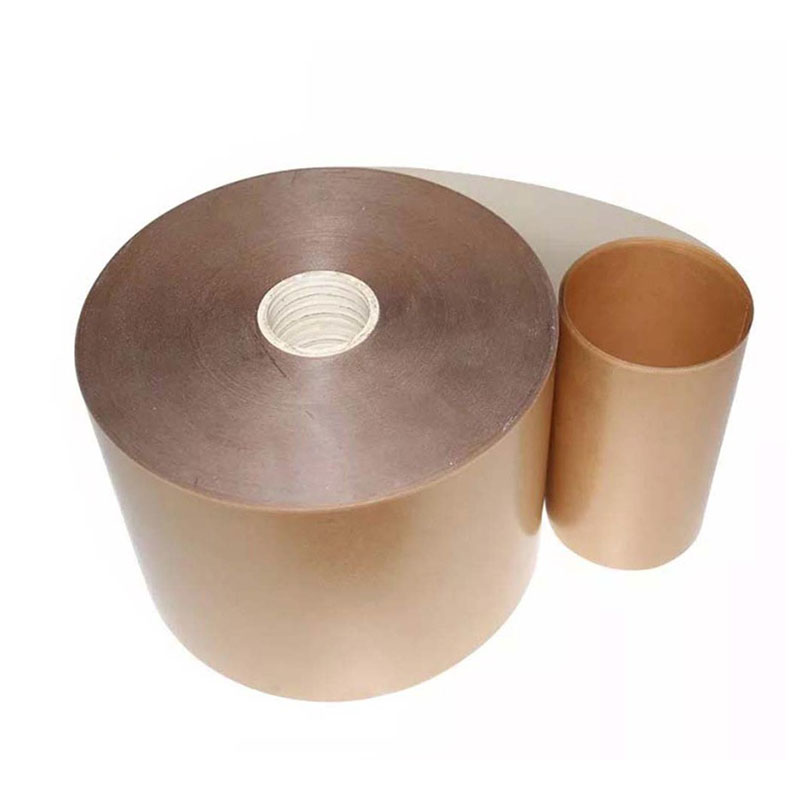
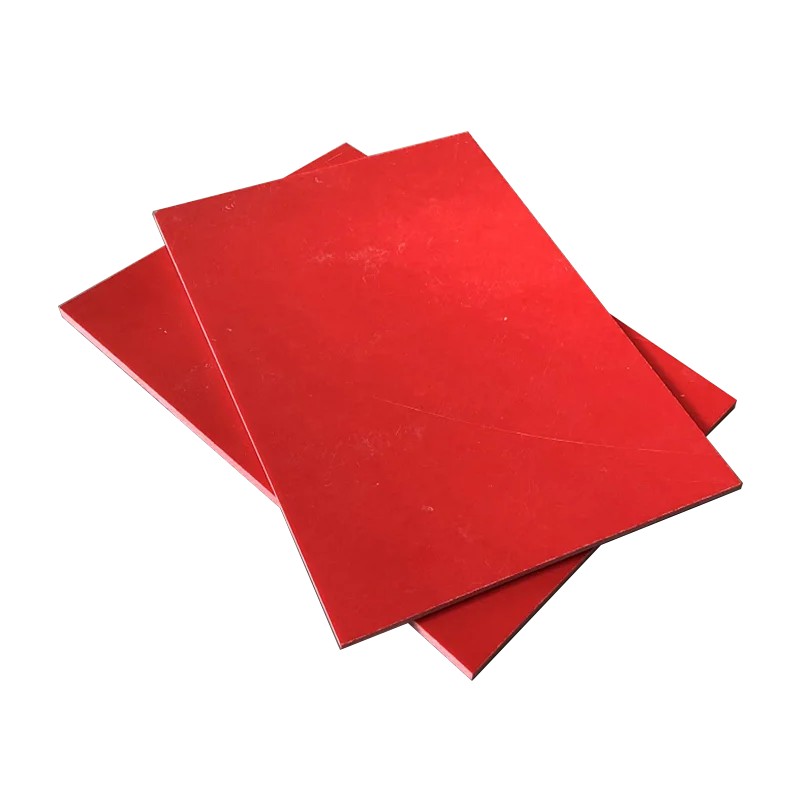
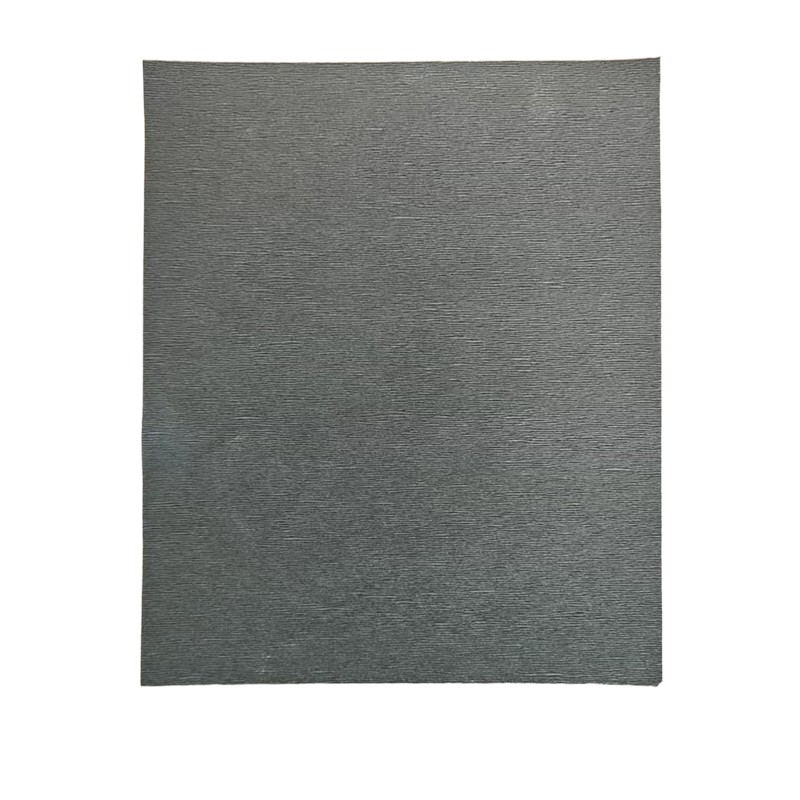
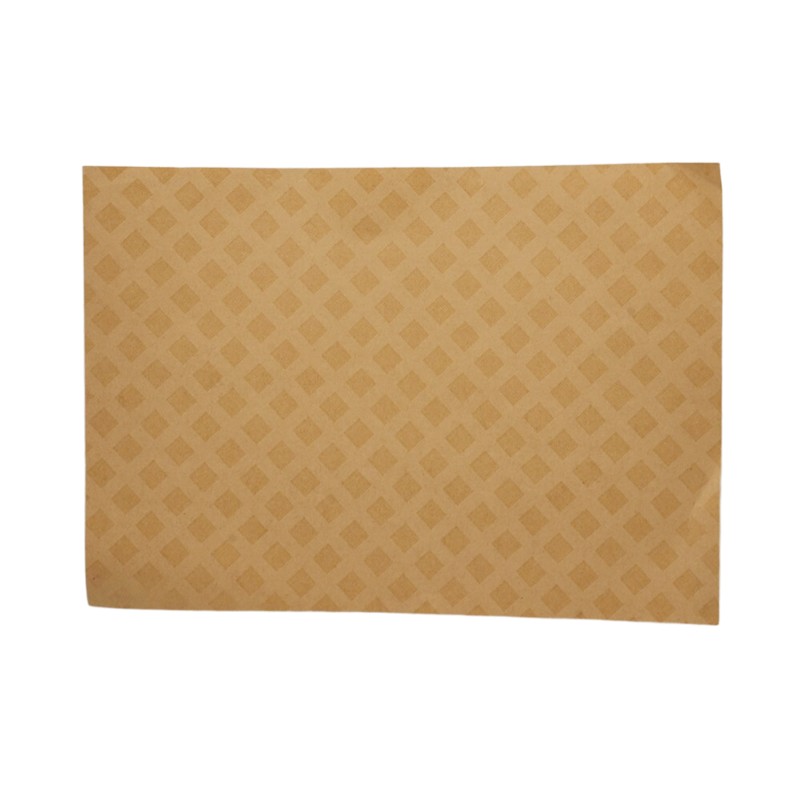
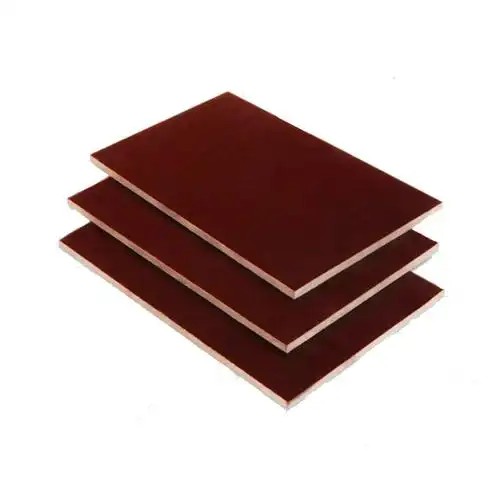
  • Laminates and composites: multi-layer structures (often paper + film + paper) designed for balanced electrical and mechanical performance.
  • Impregnation resins/varnishes (dip, trickle, VPI): fill voids, bond the winding, improve thermal transfer, and raise dielectric reliability.

Think of it like building a waterproof jacket: the outer fabric alone isn’t enough—you need seams, sealing, and compatibility between layers. Motors are the same.


Why Insulation Fails: The Big 6 Root Causes

Most insulation failures map to six stress families. If you can name which ones dominate your application, you can choose materials that last longer (and avoid overpaying for features you don’t need).

  • 1) Thermal aging (heat): Continuous high temperature hardens, cracks, or shrinks insulation. The “temperature class” rating matters most when the motor runs hot for long periods.
  • 2) Electrical stress (voltage, spikes): Inverter drives can introduce fast voltage rise times that stress turn insulation and weak points. Higher voltage designs also increase risk of partial discharge if voids exist.
  • 3) Mechanical stress (vibration, abrasion): Movement inside the slot, sharp edges, and cyclic vibration can slowly saw through liners and sleeves.
  • 4) Moisture and contamination: Water, salts, dust, and conductive contamination reduce dielectric strength and can create tracking paths.
  • 5) Chemical exposure: Oils, solvents, refrigerants, and cleaning agents can soften or swell certain films, papers, and adhesives.
  • 6) Process mismatch: Even “good” material fails if it doesn’t match your manufacturing process (bending radius, insertion forces, resin compatibility, curing temperature, etc.).

If you’ve ever had a motor fail “too early,” it’s usually one of these, often two working together (heat + vibration is a classic duo).


How I Would Select Insulation Materials (Step-by-Step)

If I were buying Electrical Insulation Materials On Motors for a production line, I’d use this practical sequence. It keeps the decision grounded in operating reality.

  1. Define the motor duty and environment.
    List continuous temperature at the winding, ambient conditions (humidity, salt, dust), and chemical exposures (oil mist, coolant, cleaning agents).
  2. Confirm voltage class and drive type.
    Note rated voltage and whether it’s inverter-driven. If yes, consider higher electrical stress at edges and end turns.
  3. Choose thermal class with margin.
    Typical insulation system classes include B (130°C), F (155°C), and H (180°C). Don’t just match the number—build a margin for hot spots.
  4. Pick the structural family for slot and phase insulation.
    Many buyers use laminates (paper/film/paper) or aramid-based solutions where heat and endurance are critical. For tougher abrasion, prioritize mechanical strength and edge quality.
  5. Match thickness to slot geometry and insertion process.
    Thicker is not always safer: it can wrinkle, crack at bends, or make insertion harder. The best thickness is the one that survives assembly without damage and still provides dielectric margin.
  6. Confirm resin/varnish compatibility.
    If you use dipping, trickle, or VPI, ensure the insulation doesn’t delaminate or trap voids after impregnation and cure.
  7. Define acceptance tests and batch control.
    Agree on key checks (dielectric strength, thickness tolerance, tensile strength, thermal aging indicators, and visual edge inspection) to keep quality stable over time.

This process turns a vague “send me a quote for insulation” into a controlled specification that suppliers can actually meet.


Material Comparison Table

Material Type Typical Use in Motors Strengths Watch-Outs
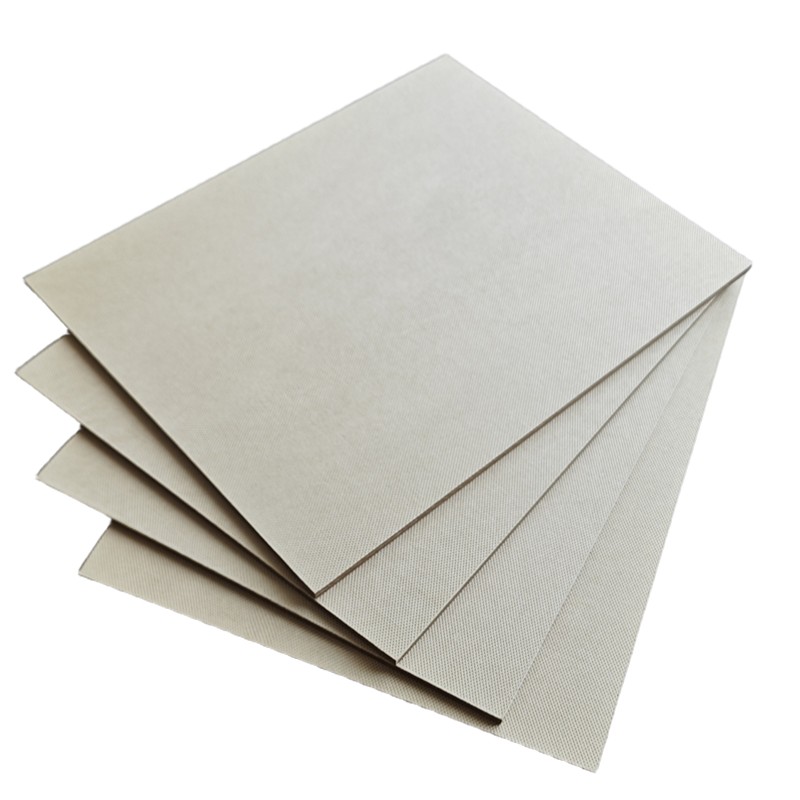
Paper/Film/Paper Laminate Slot liners, phase insulation Balanced dielectric + flexibility, good processability Edge quality matters; moisture control recommended
Aramid-based Insulation (Paper/Laminate) High-heat slot liners, phase separators Excellent thermal endurance, robust aging performance Higher cost; spec thickness and handling to avoid waste
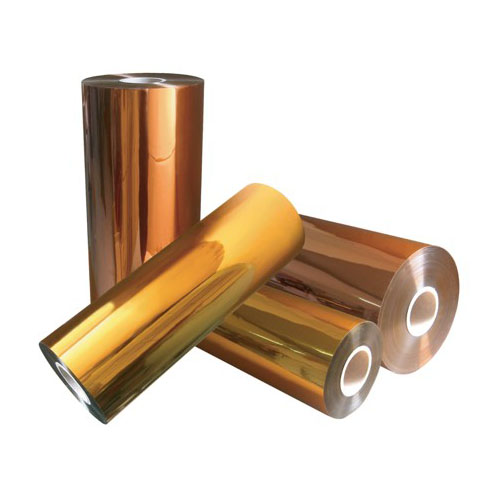
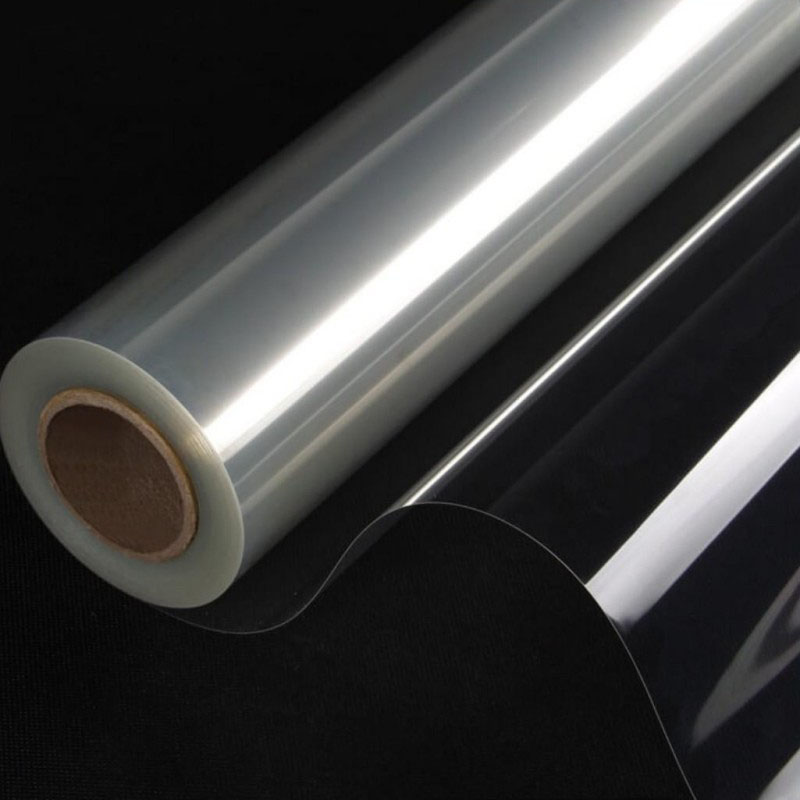
Polyester Film (PET) Phase barriers, wraps, some slot applications Good dielectric, cost-effective, consistent thickness Thermal limits; check chemical compatibility
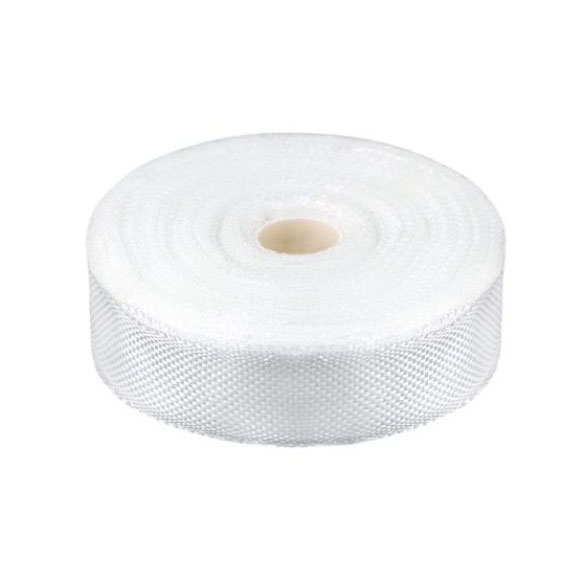
Fiberglass Sleeving / Tape Lead protection, end-winding support Strong mechanically, good for abrasion resistance Requires proper impregnation; handling can fray if low quality
Mica-based Tape (Higher voltage focus) High-voltage coils, specialized insulation layers Excellent electrical endurance in demanding voltage stress More complex process; depends heavily on resin system and application method

Tip: If your pain point is field failures, look first at edge finish, delamination resistance, and impregnation behavior—not just “dielectric strength on paper.”


Quality Checks That Actually Reduce Returns

Here are the checks that tend to catch real-world problems early. You don’t need all of them for every motor, but you do need the ones that match your risk profile.

  • Thickness and tolerance: stable thickness helps insertion consistency and predictable dielectric spacing.
  • Dielectric strength (dry and conditioned): consider moisture-conditioned testing if your motors see humidity.
  • Tensile strength and elongation: helps prevent tears during insertion and forming.
  • Delamination resistance: especially important for laminates under bending and impregnation.
  • Thermal aging indicators: focus on retention of properties after heat exposure, not just initial specs.
  • Visual inspection of edges: rough edges and burrs can become the “starting line” of failures.

If you only do one thing: add a simple incoming inspection routine for edge quality + thickness + dielectric sampling. It’s cheap insurance.


Working with a Supplier: What to Ask and What to Provide

Electrical Insulation Materials

Suppliers can only hit the target if you describe the target clearly. When working with a manufacturer like Suzhou Hanyao New Materials Co., Ltd., provide the essentials and ask the questions that reveal consistency.

  • Provide: voltage, thermal class, slot dimensions, insertion method, resin/varnish type, and environment (humidity/chemicals).
  • Ask: recommended material structure and thickness range for your process, plus which tests are controlled per batch.
  • Confirm: lead time stability, batch traceability, and how nonconforming rolls/sheets are handled.
  • Request samples: and run a short pilot on your line to check forming, insertion damage, and impregnation results.

When the supplier relationship is set up this way, you’re not “buying insulation.” You’re buying a repeatable insulation system outcome—lower scrap, fewer failures, smoother assembly.


FAQ

Q: What’s the biggest mistake buyers make with Electrical Insulation Materials On Motors?
A: Choosing by thickness or price alone. The real killers are process mismatch (cracking during insertion), edge defects, and environmental exposure (moisture/chemicals) that slowly degrade dielectric performance.

Q: Do inverter-driven motors need different insulation materials?
A: Often, yes. Fast switching can increase stress at weak points and accelerate aging if voids exist. It’s smart to review insulation structure, impregnation quality, and how the system handles electrical stress over time.

Q: Is a higher thermal class always better?
A: Not automatically. Higher class can help with heat aging, but you still must match flexibility, thickness, and manufacturability. Over-spec can increase cost and sometimes create assembly issues if the material is stiffer than your process can handle.

Q: Why do some motors pass factory tests but fail in the field?
A: Many factory tests capture “initial strength,” while field failures come from aging under heat + vibration + moisture. That’s why conditioned testing and thermal aging retention matter.

Q: What should I send a supplier to get an accurate recommendation?
A: Voltage, target thermal class, slot geometry, winding method, operating temperature estimate, environment notes, and whether you use dipping/trickle/VPI impregnation. With that, a supplier can recommend a realistic structure and thickness.


Next Step

If you want to reduce scrap, avoid insulation-related warranty headaches, and standardize a reliable insulation system, start by documenting your operating temperature, drive type, environment, and manufacturing method—then match materials to those realities. If you’re evaluating options from Suzhou Hanyao New Materials Co., Ltd. or comparing multiple sources, share your motor parameters and required performance targets and contact us to request suitable material recommendations and samples for your production process.

Related News
Leave me a message
X
We use cookies to offer you a better browsing experience, analyze site traffic and personalize content. By using this site, you agree to our use of cookies. Privacy Policy
Reject Accept