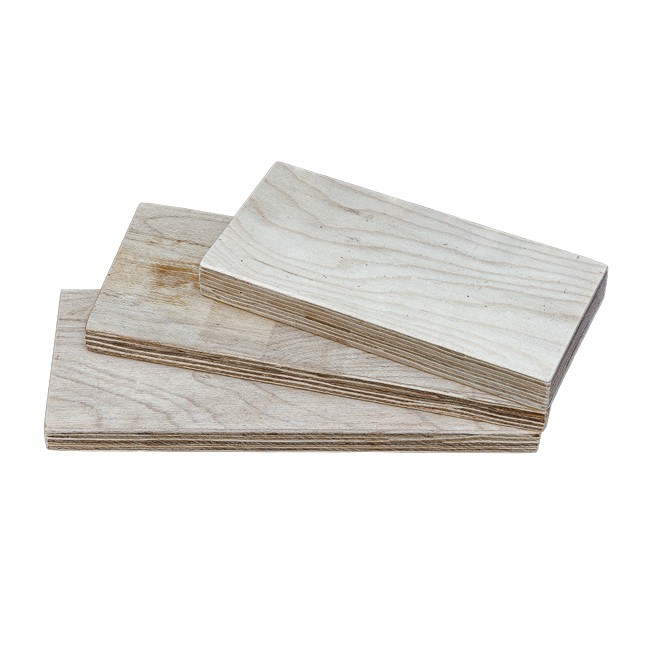
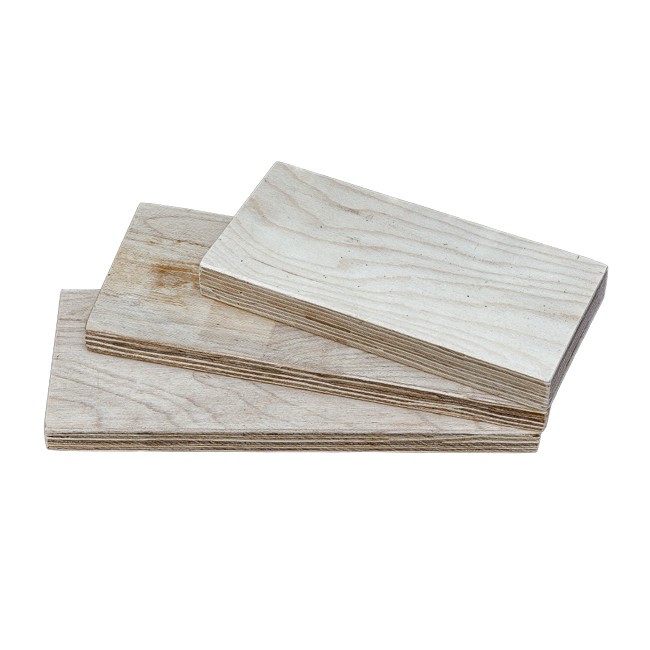
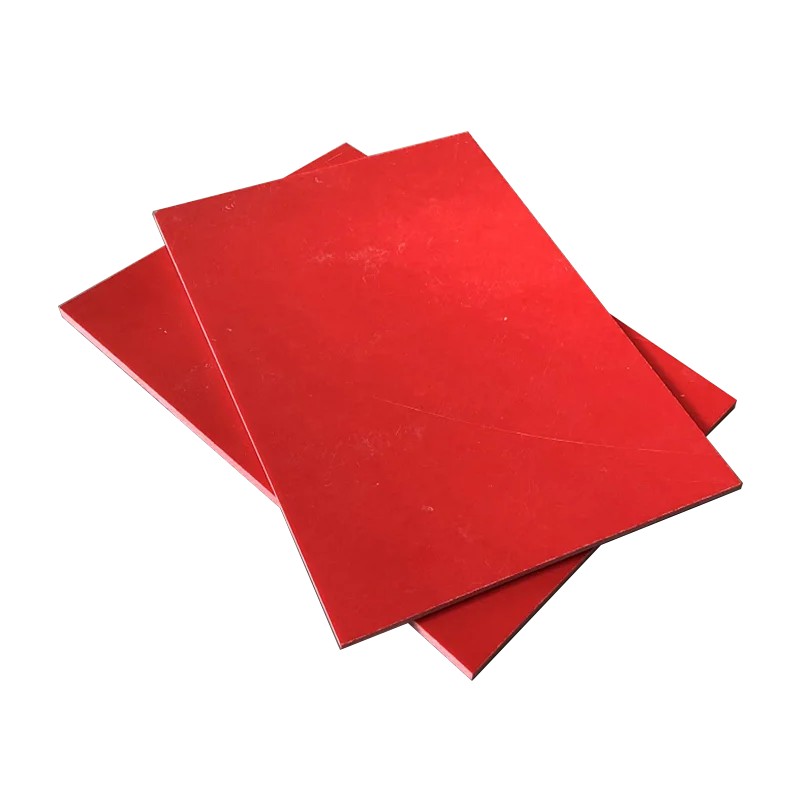
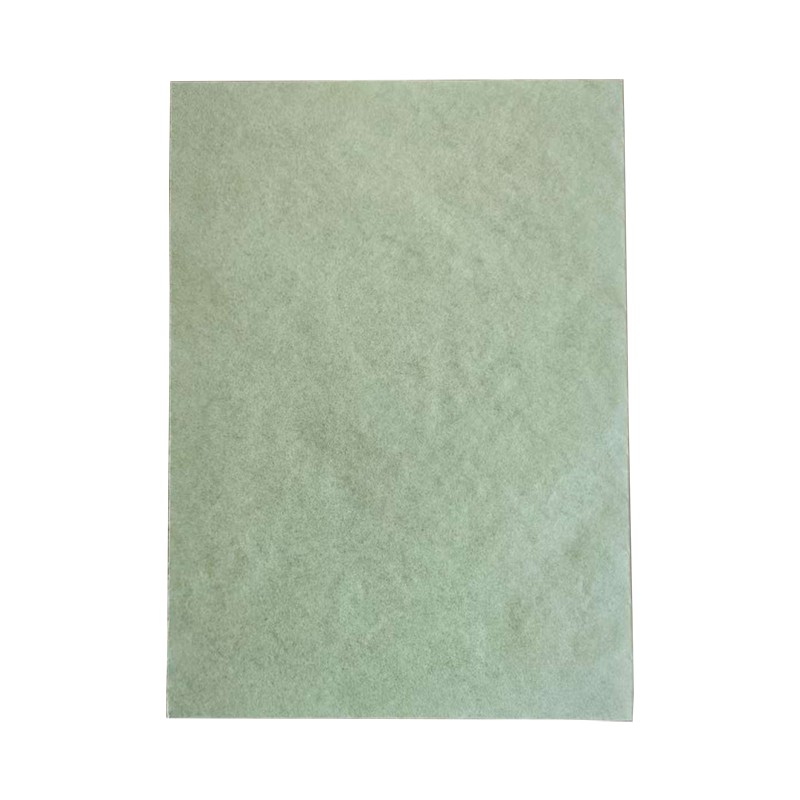
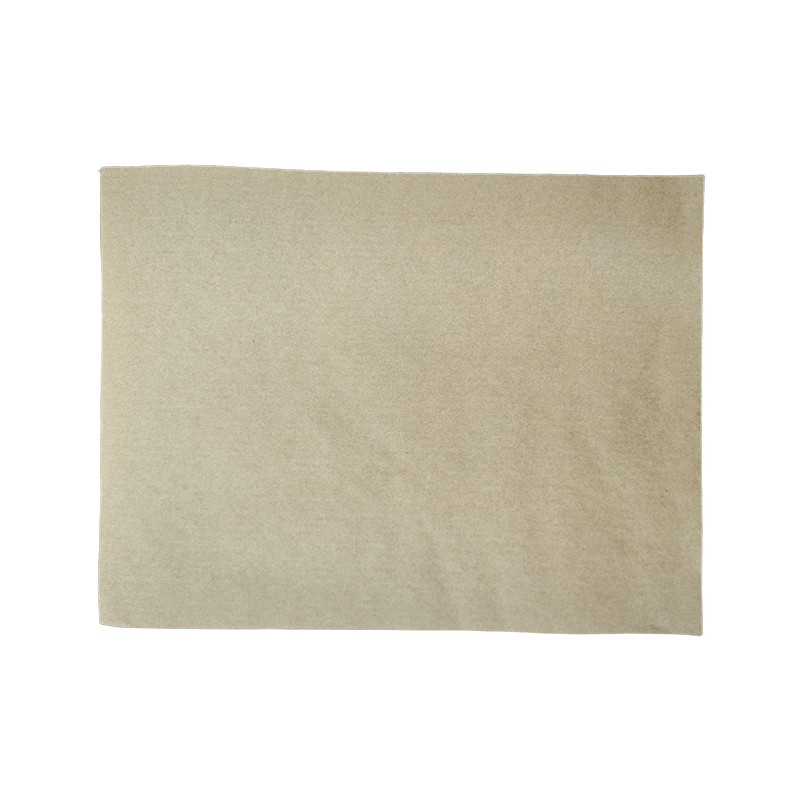
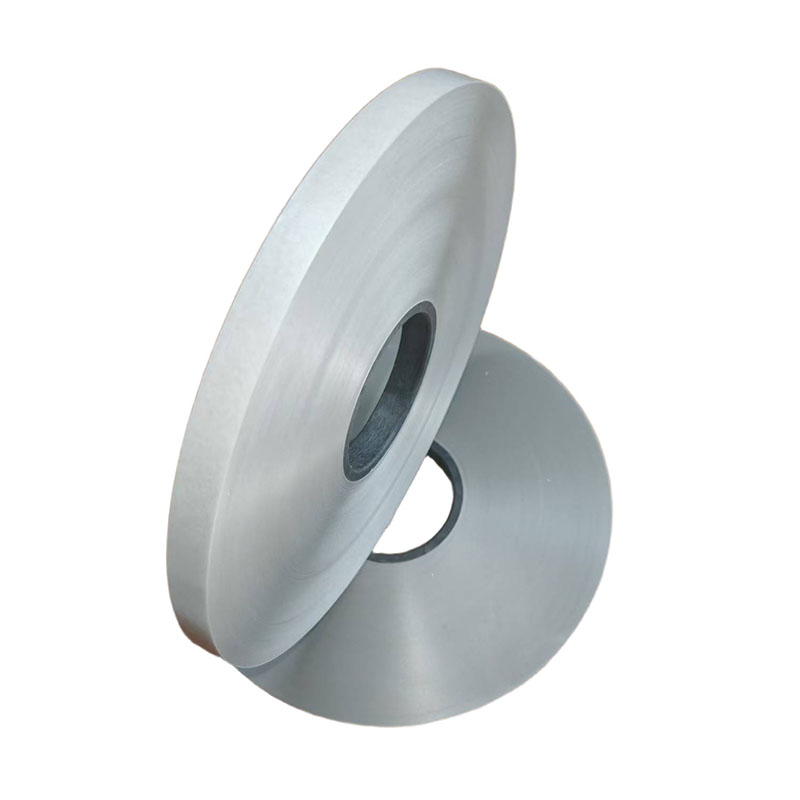
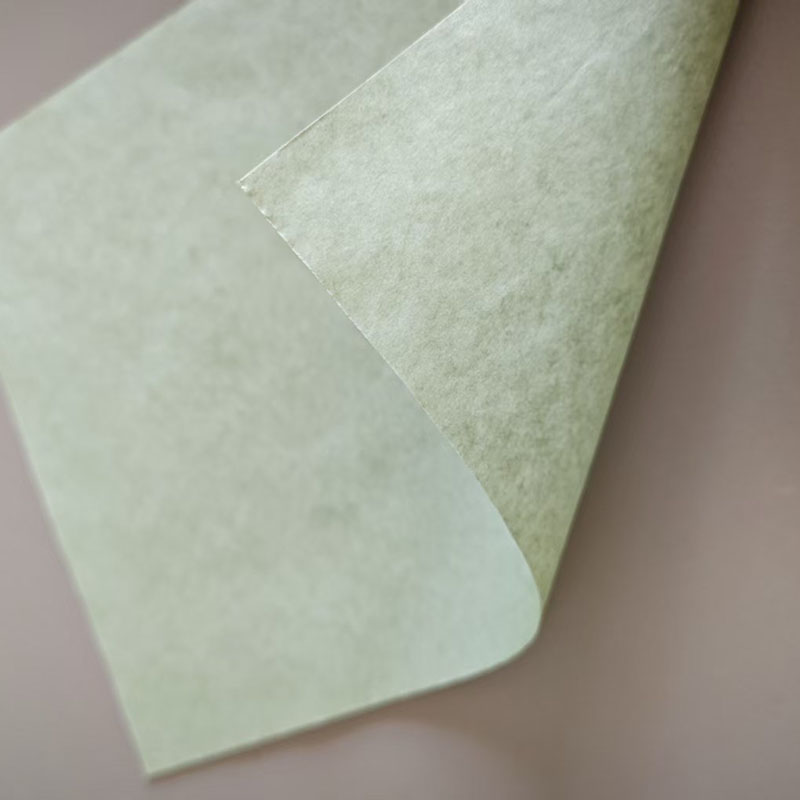
Electrical Insulation Precompressed Pressboard is a high-density, high-mechanical-strength insulation material widely used in transformers, reactors, bushings, switchgears and other high-voltage electrical equipment. It features good insulation performance, oil resistance, heat resistance, mechanical strength and processing stability, and plays a key role in electrical isolation, structural support and end fixing. To ensure its insulation performance, mechanical integrity and service safety in equipment, the following precautions must be strictly observed during storage, handling, processing, installation and operation.
1. Storage Environment Requirements
Electrical Insulation Precompressed Pressboard is hygroscopic and sensitive to environmental conditions, so it must be stored properly.
- It should be kept in a dry, clean, cool and ventilated warehouse, away from direct sunlight, high temperature, dust and corrosive gases.
- The relative humidity of the storage environment should be controlled below 60% to avoid moisture absorption, which may reduce insulation resistance and cause partial discharge or insulation breakdown.
- The material shall be placed on a dry pallet or shelf, not directly in contact with the ground or walls, to prevent moisture and mildew.
- Avoid stacking heavy objects on the surface to prevent deformation, bending or surface damage of the pressboard.
2. Handling and Transportation Precautions
During transportation and handling, mechanical damage to the material must be avoided.
- Handle with care; throwing, dragging, collision and extrusion are prohibited to prevent edge chipping, cracking, surface scratches and internal delamination.
- Use clean, dry lifting and handling tools to avoid contamination by oil, dust or metal particles.
- During transportation, rainproof, moistureproof and shockproof measures shall be taken. Sealed packaging is recommended for long-distance transportation.
3. Processing and Cutting Precautions
Improper processing will affect insulation performance and structural strength.
- Processing shall be carried out in a dry and clean environment. Tools such as cutters, saws and moulds should be sharp and clean to avoid burrs, rough edges and cracks.
- Avoid excessive impact or forced extrusion during cutting and punching, so as not to cause internal micro-cracks.
- After processing, the surface and edges should be smooth and free of burrs, dust and debris. Dust and debris left inside the equipment may cause insulation defects.
- Processed parts should be used as soon as possible or temporarily stored in a dry environment to prevent re-absorption of moisture.
4. Installation and Assembly Precautions
During installation, the insulation performance and structural stability must be fully guaranteed.
- Before assembly, check the appearance for cracks, deformation, moisture, contamination or damage. Unqualified products shall not be installed.
- Keep hands and tools clean during installation; avoid contact with oil, grease, water, metal filings or conductive dust, which will reduce insulation performance.
- Do not use sharp tools to scratch or pry the surface during assembly. Forced assembly that causes bending, extrusion or local stress concentration is prohibited.
- When used in oil-immersed equipment, ensure that the pressboard is fully impregnated with insulating oil according to the process requirements to remove internal air and improve partial discharge resistance.
5. Operation and Service Environment Limits
During long-term operation, the service conditions must be controlled within the allowable range of the material.
- Strictly abide by the rated temperature resistance grade of Electrical Insulation Precompressed Pressboard. Long-term operation above the allowable temperature will lead to thermal aging, embrittlement and decline in insulation and mechanical properties.
- Prevent partial overheating, partial discharge, arc ablation and mechanical vibration from damaging the pressboard.
- Avoid long-term contact with strong acid, strong alkali or other chemical corrosive media to prevent material corrosion and insulation failure.
6. Inspection and Maintenance
Regular inspection helps to discover potential insulation risks in advance.
- During equipment maintenance, check whether the pressboard is deformed, cracked, carbonized, damped or aged.
- Keep the surface clean and free of oil, moisture and foreign matter.
- Once damage or performance degradation is found, replace it in time to avoid insulation failure or equipment breakdown.
Conclusion
Electrical Insulation Precompressed Pressboard is an important insulation component to ensure the safe and stable operation of electrical equipment. Its performance depends heavily on correct use and proper protection. Strictly following the above precautions in storage, processing, installation and operation can effectively maintain its insulation and mechanical properties, extend service life, and reduce the risk of electrical faults caused by improper use.
We use cookies to offer you a better browsing experience, analyze site traffic and personalize content. By using this site, you agree to our use of cookies. Privacy Policy