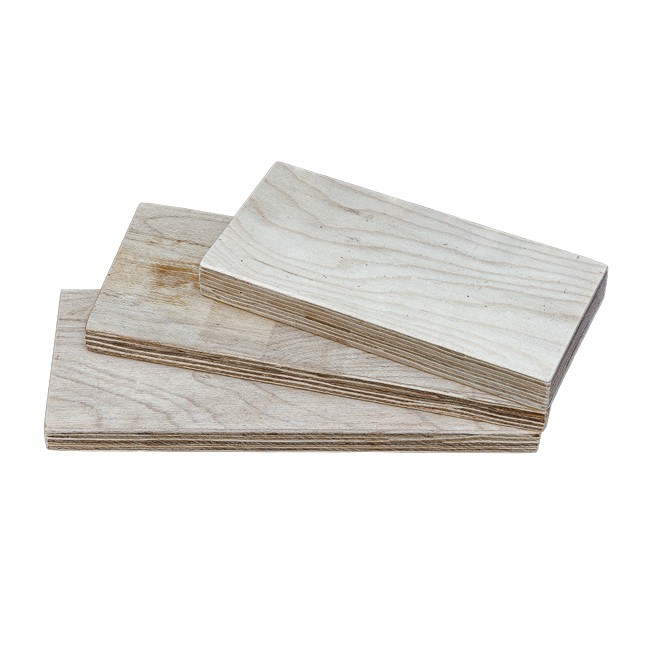
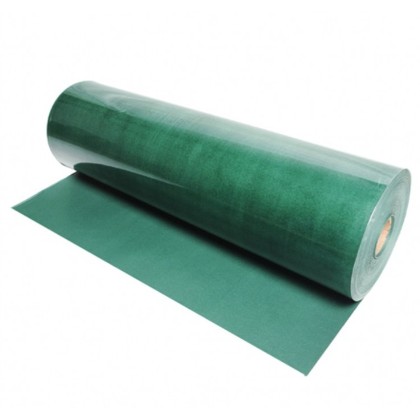
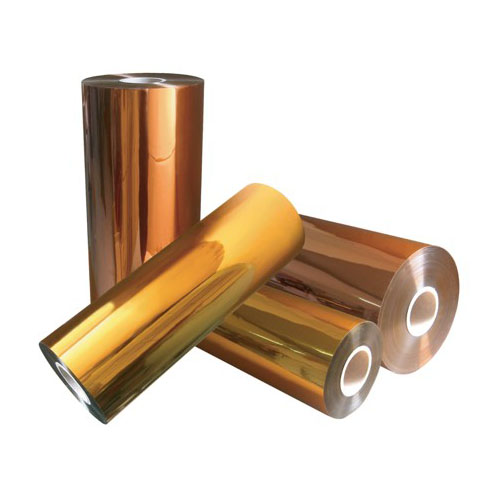
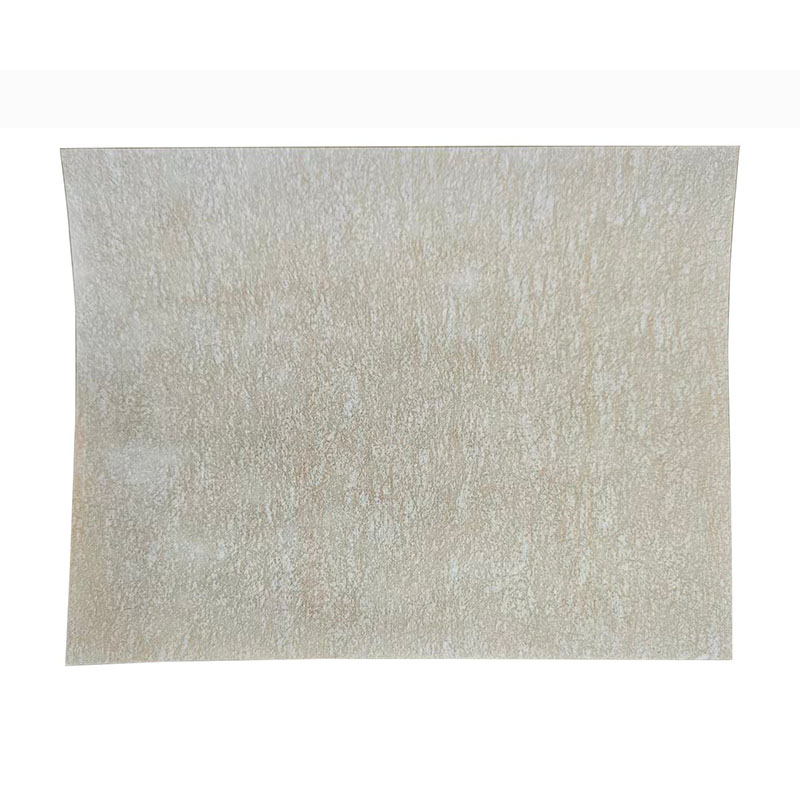
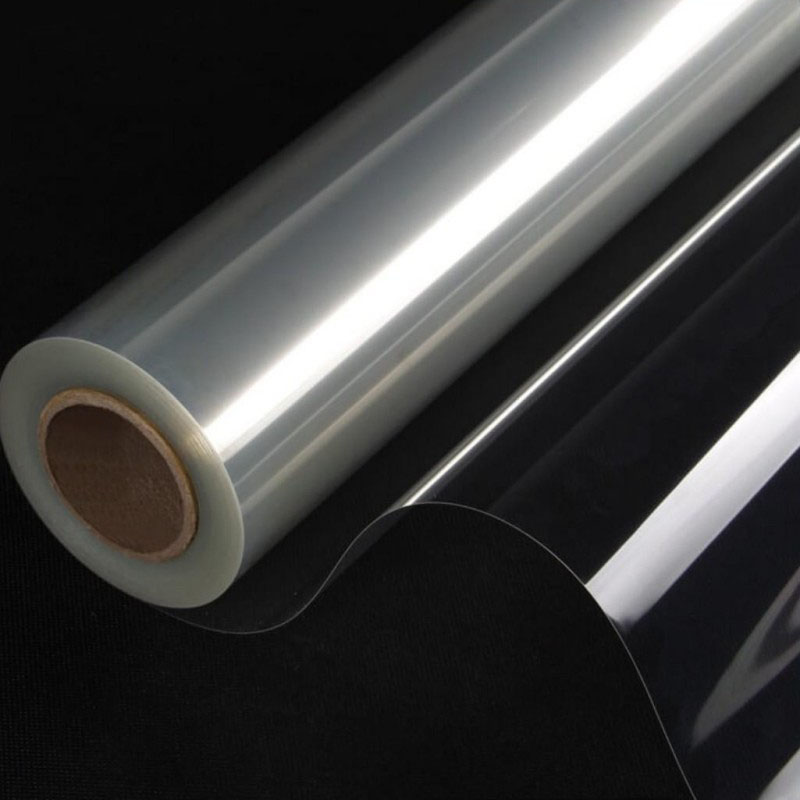
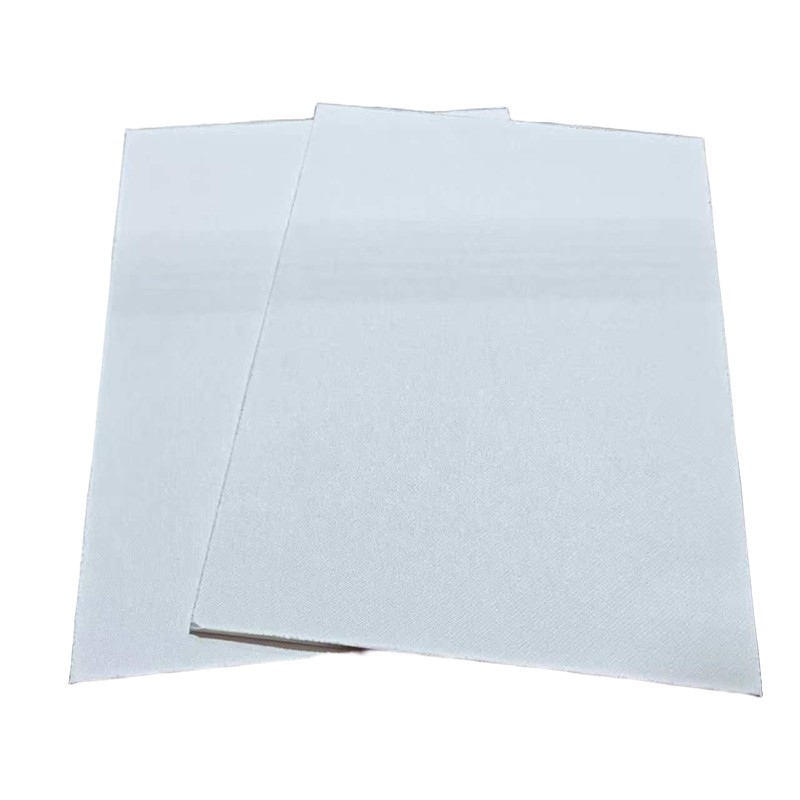
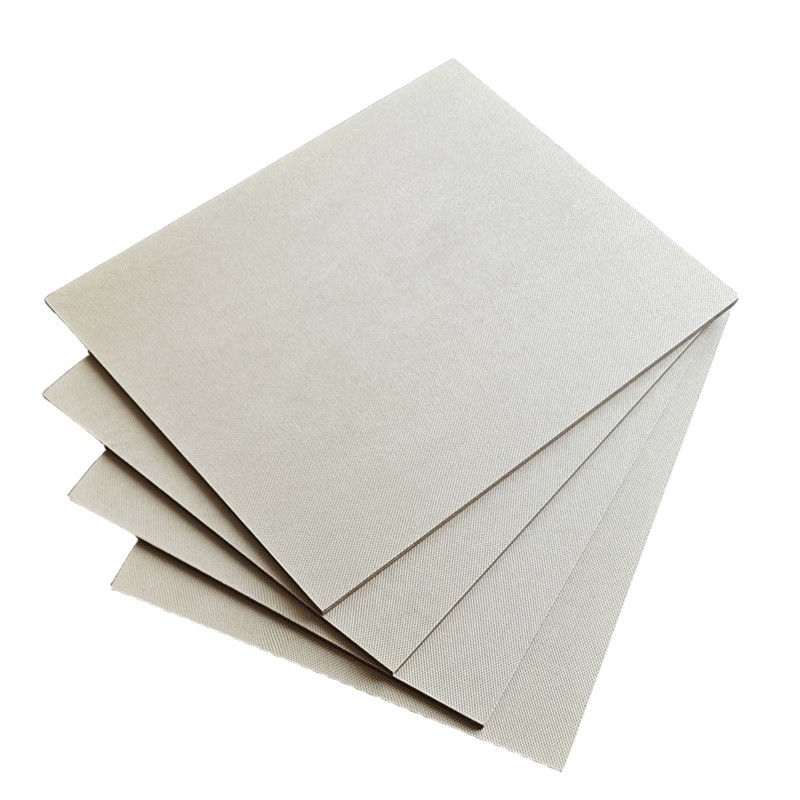
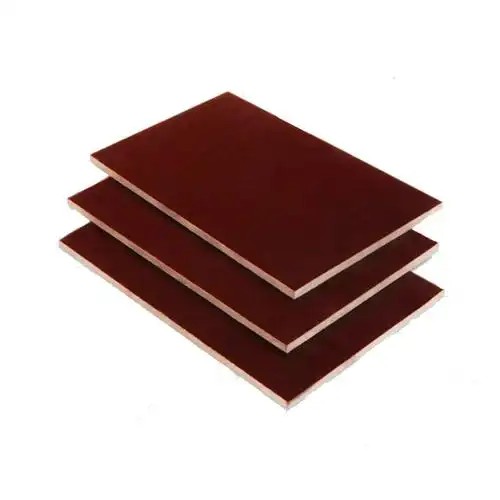
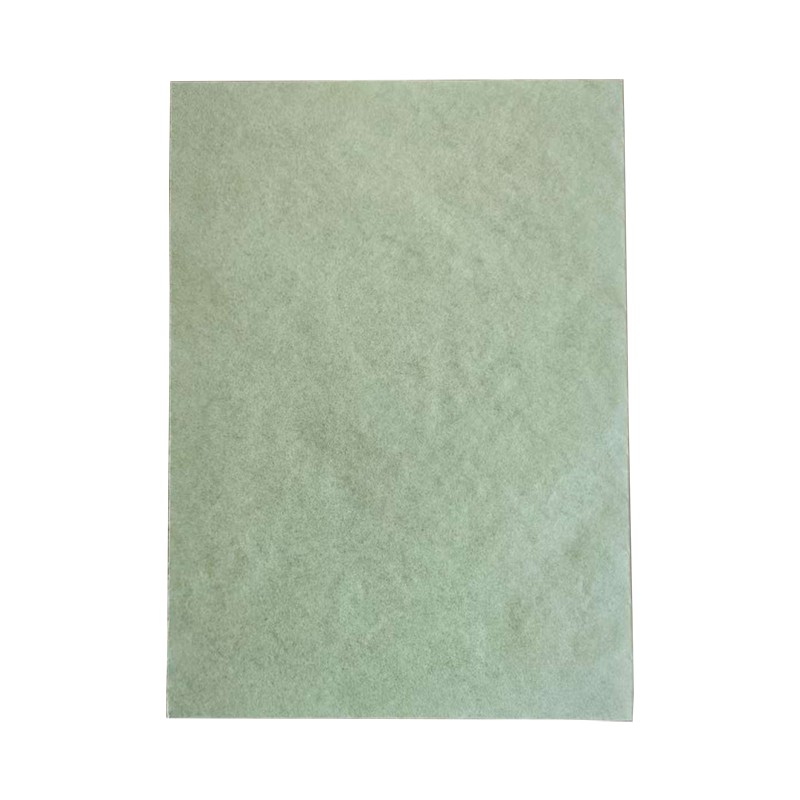
Thermally Upgraded Kraft Paper is a high-performance electrical insulation paper that has undergone special chemical and thermal stabilization treatment. Its core function is to provide durable and reliable insulation and heat resistance protection in electrical equipment with high temperature and high electric field, significantly delaying aging and extending equipment life.
1、 Core role (function)
High temperature resistance and heat aging resistance (core)
Ordinary kraft paper will quickly become brittle and fail after long-term use at 90-105 ℃. Heat upgraded paper is chemically modified (such as delignification and stabilization treatment) to increase its heat resistance level to Class A (105 ℃) or even higher. It is not easily brittle, hydrolyzed, and has a significantly reduced aging rate under long-term high temperature conditions, ensuring the long-term stable operation of transformers and motors under full load and high temperature conditions.
High density, uniform texture, low impurities, excellent dielectric strength and insulation resistance, effectively isolating copper windings, iron cores, and different voltage layers in oil immersed or dry environments, preventing short circuits, creepage, and breakdown.
High mechanical strength, suitable for high-speed automated production
The longitudinal (MD) tensile strength is extremely high, with good toughness and tear resistance. It can withstand strong tension and impact during high-speed winding and mechanical wrapping, and is not easy to break paper, wrinkle, or deviate. It is suitable for automated production lines such as high-speed winding of electromagnetic wires and interlayer/turn insulation of transformer coils.
Good compatibility with transformer oil/impregnating paint
It does not swell or release harmful substances in transformer oil, ester coolant or impregnating paint, and maintains insulation, mechanical and thermal stability performance even after long-term immersion, consistent with the synergistic life of the insulation system.
Thin and uniform, with stable dimensions
Accurate thickness (commonly 50-75 μ m), uniform thickness, low shrinkage rate, controllable thickness after wrapping, small interlayer gap, conducive to compact design and heat dissipation.
We use cookies to offer you a better browsing experience, analyze site traffic and personalize content. By using this site, you agree to our use of cookies. Privacy Policy