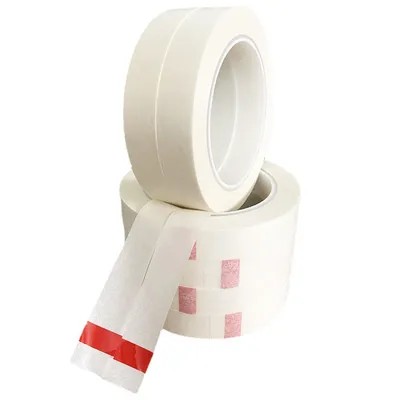
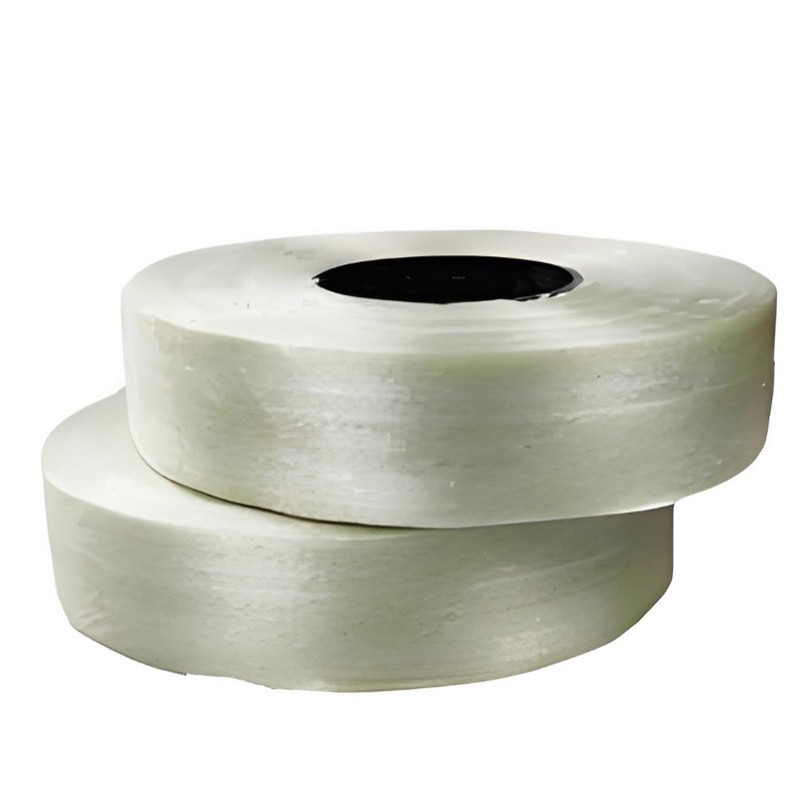
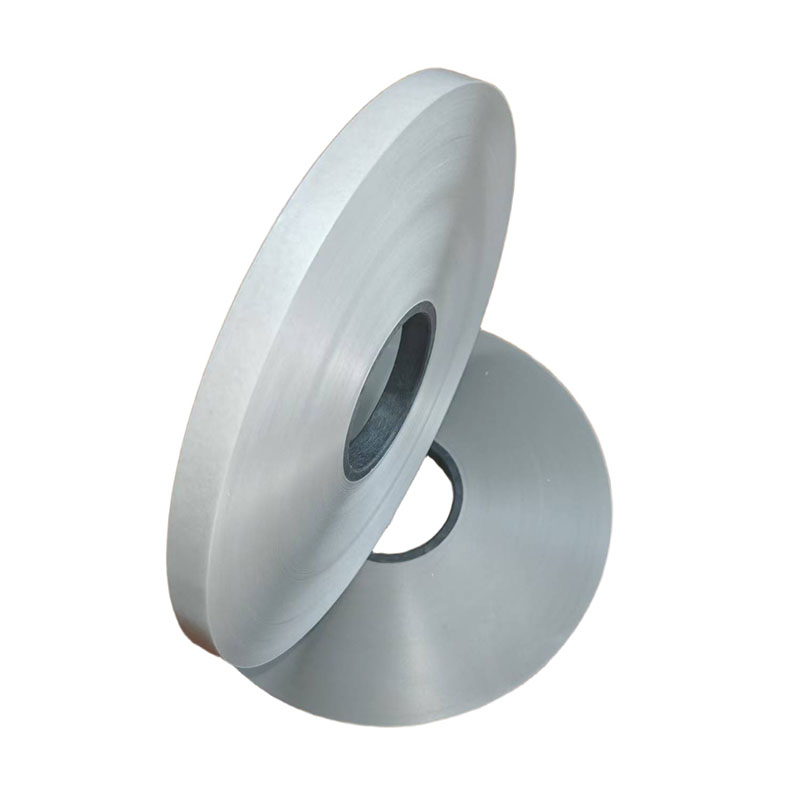
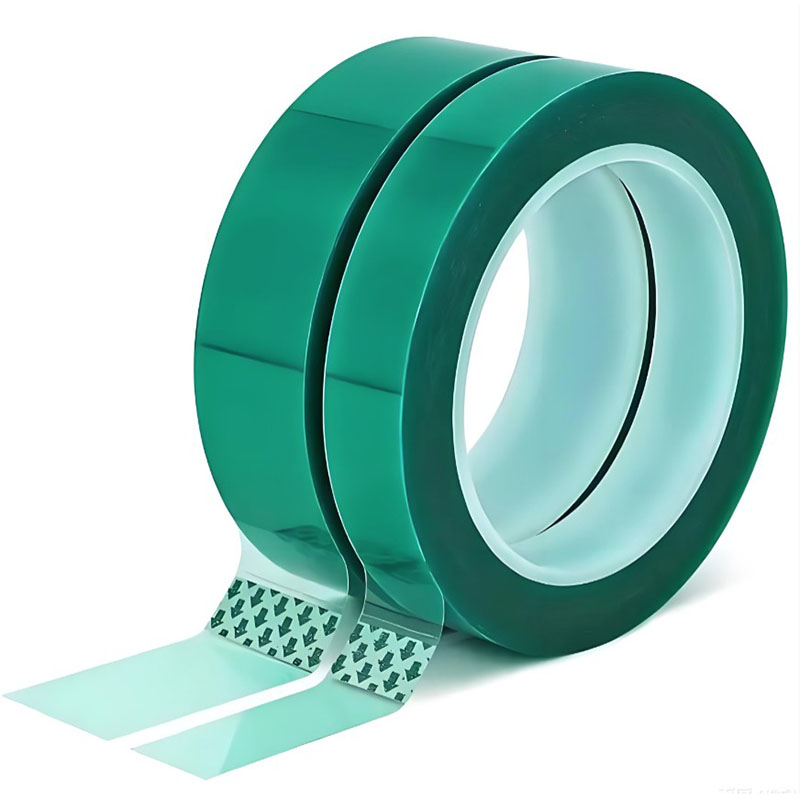
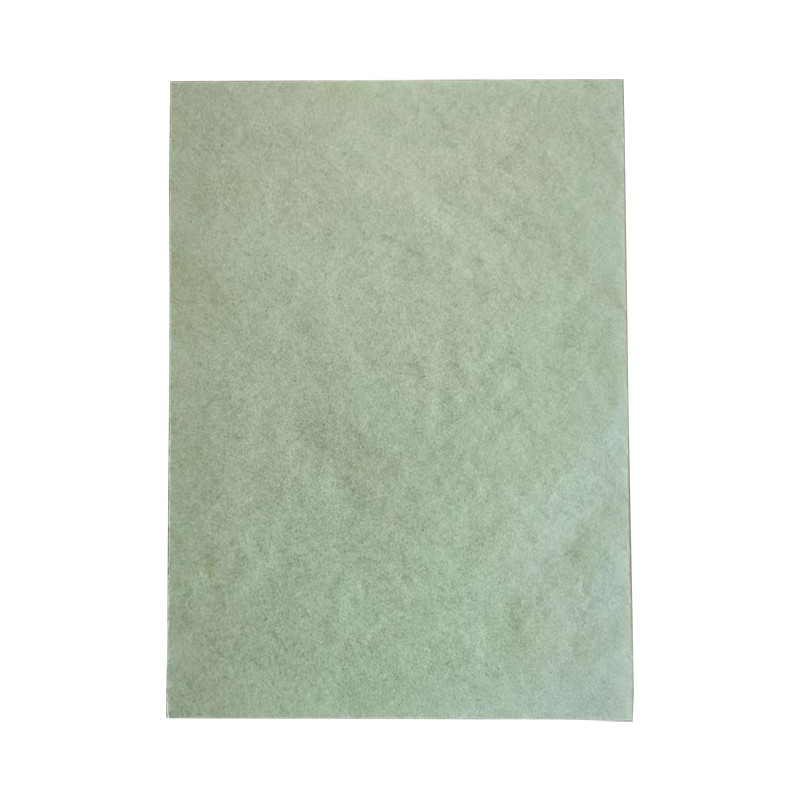
Electrical Insulation Filament Adhesive Tape is made of glass fiber/polyester fiber as the substrate and coated with pressure-sensitive adhesive. Its core functions include electrical insulation, mechanical protection, fixed bundling, temperature and wear resistance. It is widely used in motors, transformers, wire harnesses, reactors, and electrical equipment windings.
1、 Core functions
1. Electrical insulation isolation
Isolate between conductors and between conductors and enclosures to prevent leakage, short circuits, and creepage; Endure a certain voltage and act as an insulation barrier.
2. Mechanical reinforcement and bundling fixation
Fiber substrate has tensile strength and is used to bundle coils, windings, and lead wires to prevent loosening, displacement, and friction of wires caused by operational vibrations.
3. Wear resistant, scratch resistant, and friction resistant protection
The fiber structure is wear-resistant, avoiding long-term vibration and friction damage to the insulation coating and wire insulation layer, and protecting the original insulation.
4. Heat resistance and temperature protection
Compared to ordinary PVC electrical tape, it has better high temperature resistance and is suitable for heating electrical components such as motors and transformers. It is not easy to soften and flow.
5. Buffer noise reduction, reduce vibration wear and tear
Winding between winding layers and at the contact points of wires serves as a buffer and reduces insulation damage caused by equipment vibration during operation.
6. Positioning and identification assistance (secondary)
Arrange the wiring harness neatly and distinguish the winding lead out positions; Some models have the characteristics of oil resistance and light chemical resistance.
2、 Additional distinguishing features
Ordinary PVC electrical tape: focuses on low-voltage insulation, is not resistant to high temperatures, and is prone to tensile fracture;
Fiber insulated tape: Its advantages lie in tensile strength, wear resistance, and high temperature resistance. It is commonly used for wrapping industrial motors, transformers, rolling mill motors, and high-power electrical windings.
We use cookies to offer you a better browsing experience, analyze site traffic and personalize content. By using this site, you agree to our use of cookies. Privacy Policy