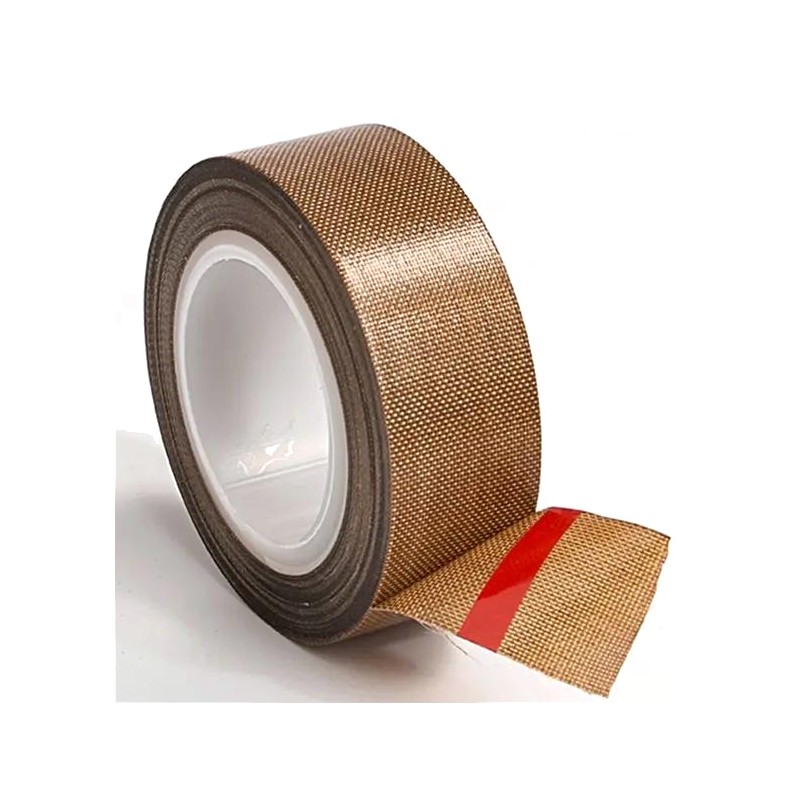
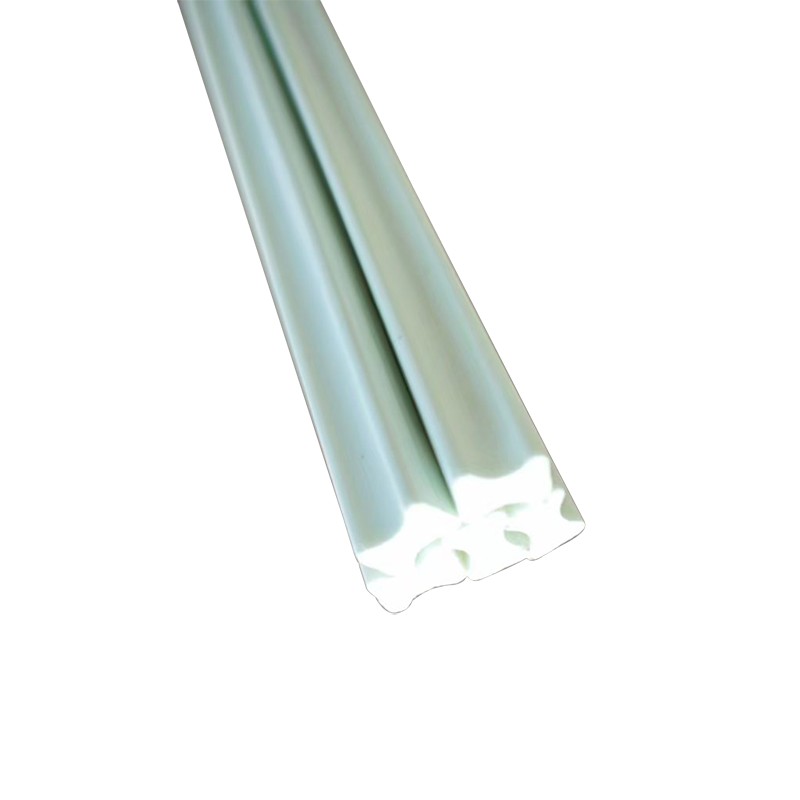
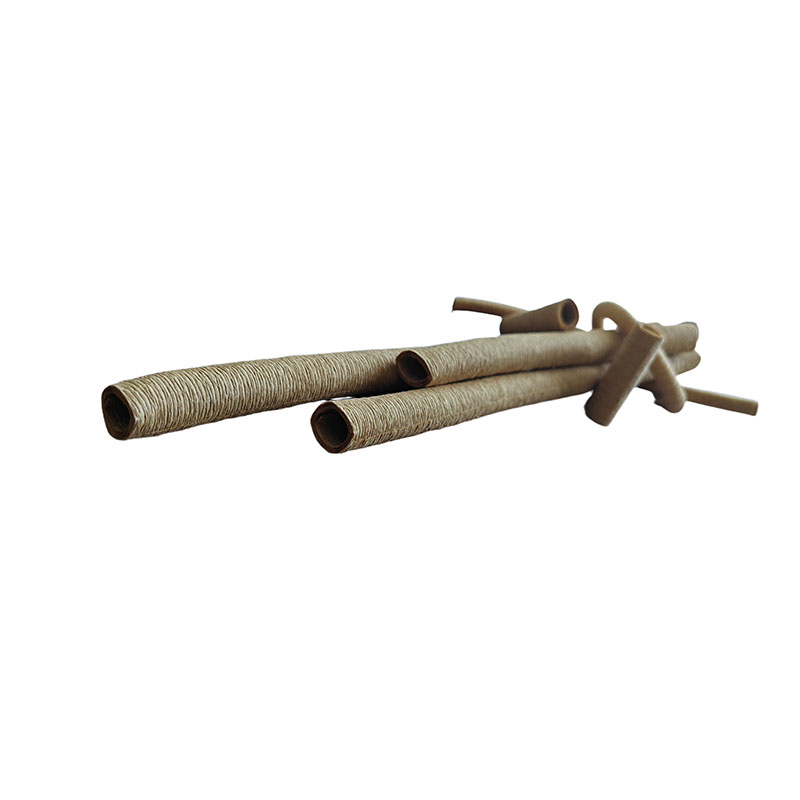
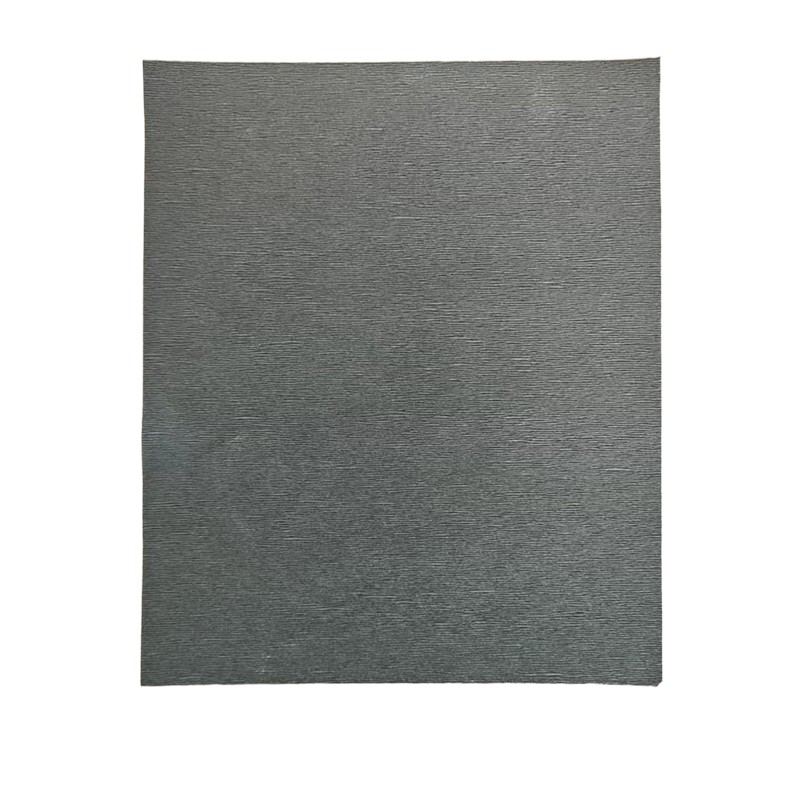
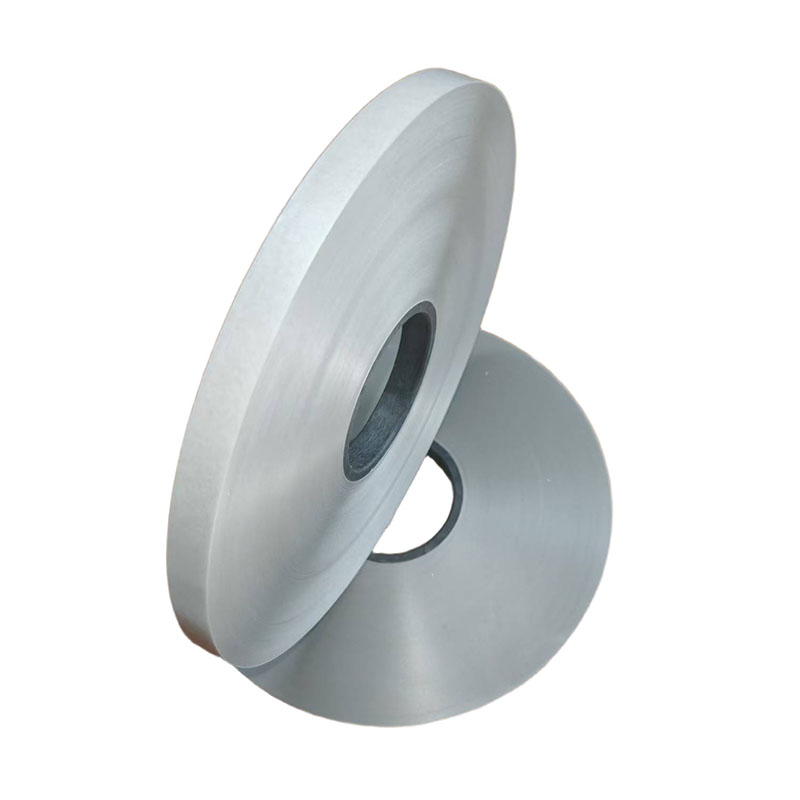
The Acrylic Coated Fiberglass Sleeve is a flexible woven substrate, and the preferred methods are the grid cutting tape method and the X-cutting tape method; The pull-out method is only for research and development comparison and is not suitable for routine factory inspection; There is also adhesion verification after bending and thermal aging (industry specific judgment for casing)
1. Grid method (hundred grid method, most commonly used, GB/T9286/ISO2409/ASTM D3359 Method B)
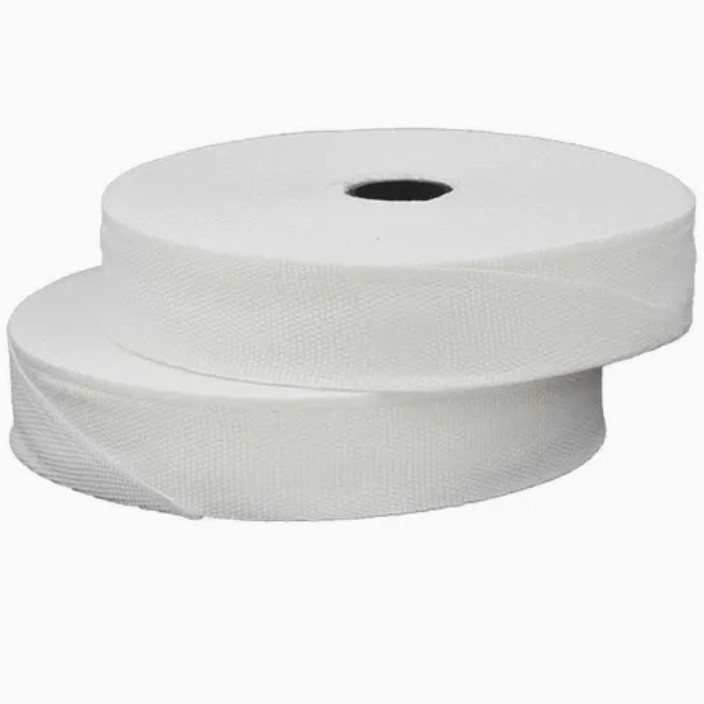
Operation: Cut the casing into a flat sample, use a grid cutter to cut the mesh, cut the incision through the acrylic coating, and touch the fiberglass substrate; Brush to remove debris, apply standard 3M610 tape, quickly peel off 180 °, observe the area of coating detachment in the grid area for grading.
Applicable: Factory quality inspection, incoming material inspection.
Judgment: Level 0 is optimal; The general requirement for qualification is level 0-1, with a grid shedding area of ≤ 5%.
Limitations: The casing is a flexible woven substrate, and the cutting force is difficult to stabilize. It is only for comparative rating and is not suitable as a quantitative data for arbitration.
2. Mark X tape method (ASTM D3359 Method A, commonly used in the paint pipe industry)
Operation: Make two intersecting incisions on the outer wall of the casing to form X, and cut through the coating with the incisions; Tear off the standard pressure-sensitive adhesive tape and visually observe whether the coating on the edge of the X incision peels or peels off.
Judgment: If there is no coating lifting or peeling off at the edge of the incision, it is qualified; The appearance of flaky detachment indicates poor adhesion.
Advantages: Faster operation, suitable for small diameter and bent specimens.
Operation: Flatten the casing, bond the test column (Dolly), stretch it uniformly along the direction perpendicular to the coating, and record the breaking force value; Simultaneously distinguish failure modes: delamination of the coating and glass fiber interface (true adhesion failure), cohesive failure of the coating itself, and adhesive interface failure (ineffective).
Limitations: Fiberglass tubing has high flexibility, uneven weaving surface, and high difficulty in sample preparation, and is generally not used for routine factory production.
4. Bending method (exclusive practical judgment for the casing industry, no separate national standard, product standard matching test)
Operation: The sleeve is repeatedly bent on the specified core shaft (at room temperature/high temperature), and the coating is visually observed for cracking, powdering, and peeling; Partial requirements require bending before applying tape for tear off verification.
Judgment: The coating does not peel off or peel off after bending.
Meaning: Simulate the working conditions of wire harness threading and assembly bending, which is closest to the real usage scenario of conduit.
5. Adhesion verification after thermal aging (accelerated aging matching judgment)
Operation: Place the sleeve in an oven and heat age it according to the specified temperature and duration. After cooling, perform X/grid/bend tape tests.
Judgment: The coating does not powder or peel after aging, and the tape does not peel off when torn off; Used to evaluate adhesion stability under long-term high-temperature conditions.
Dry wiping: The surface of the sleeve is repeatedly rubbed with a white cloth, and there is no obvious coating dust on the white cloth;
Solvent wiping (optional): Soak a cotton cloth with a specified solvent (anhydrous ethanol, etc.) for wiping, and the coating will not dissolve or peel off;
Scratching: A hard scratching needle lightly scratches the coating, leaving only scratches and incomplete peeling of the coating.
Only conducting rapid screening cannot be used as the basis for formal acceptance.
7. Friction and wear method (high-end working condition evaluation)
Wear resistance testing machine, with specified load reciprocating friction, observes the critical cycle times of coating peeling and exposed glass fiber, and is commonly used for reliability evaluation of motor and transformer harness bushings.
We use cookies to offer you a better browsing experience, analyze site traffic and personalize content. By using this site, you agree to our use of cookies. Privacy Policy