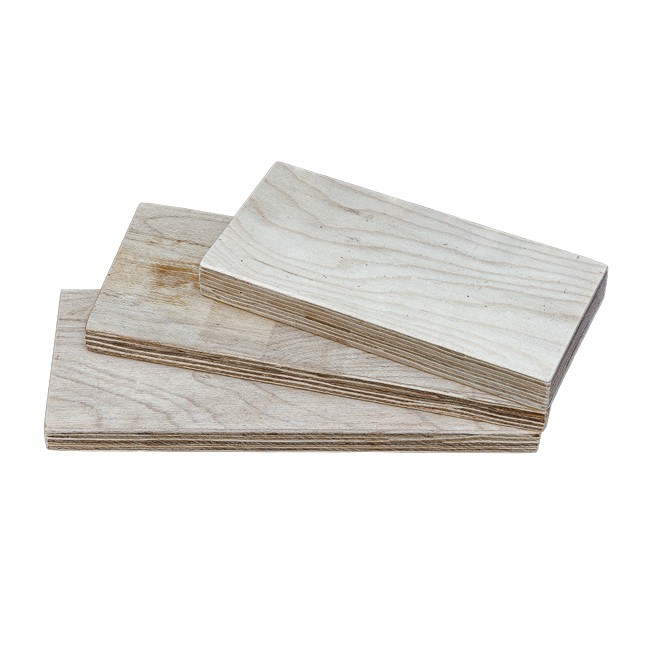
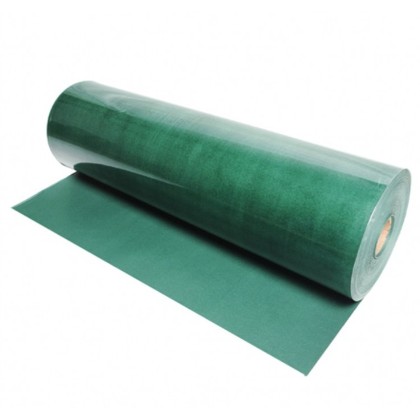
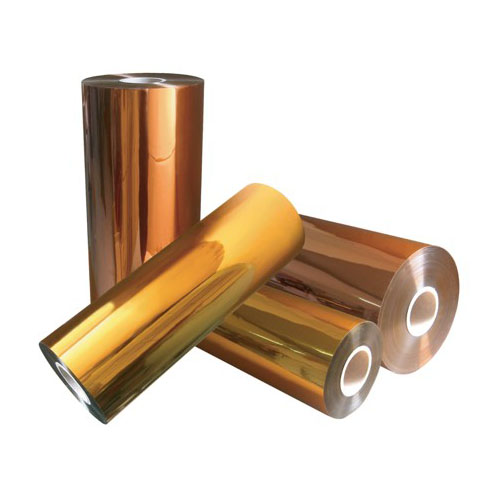
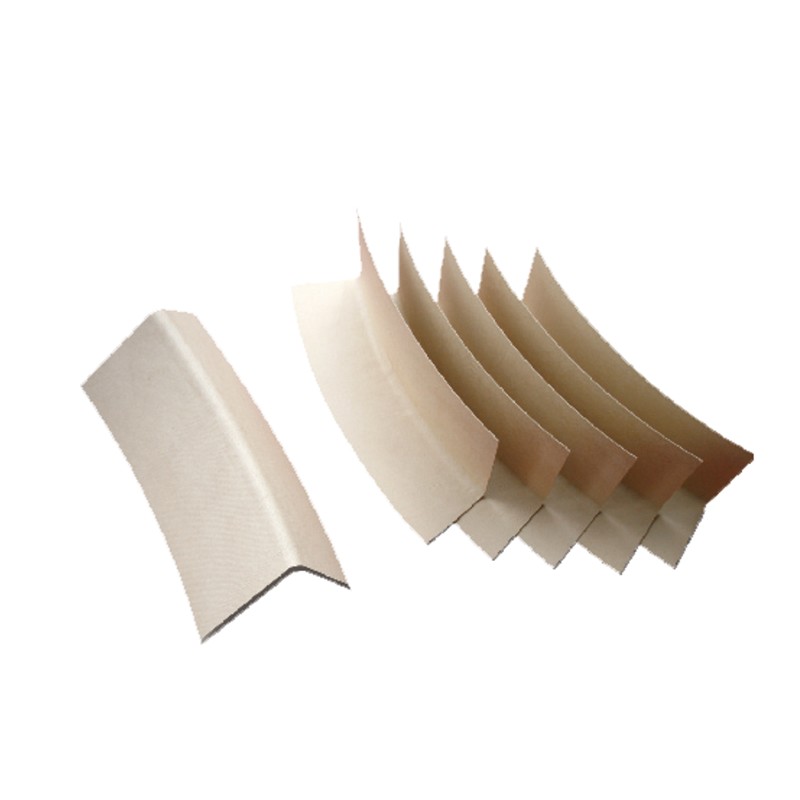
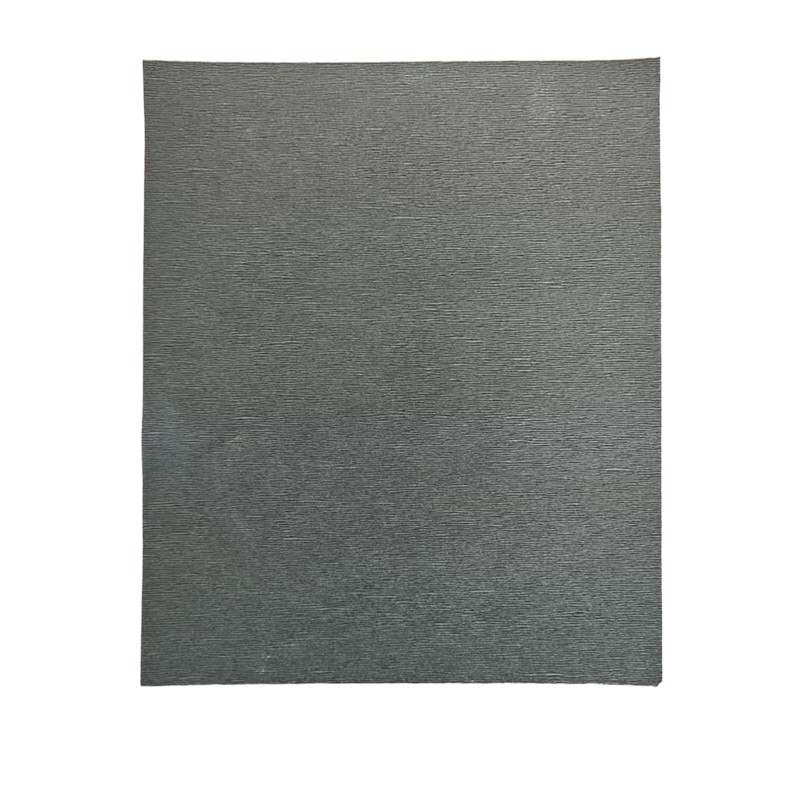
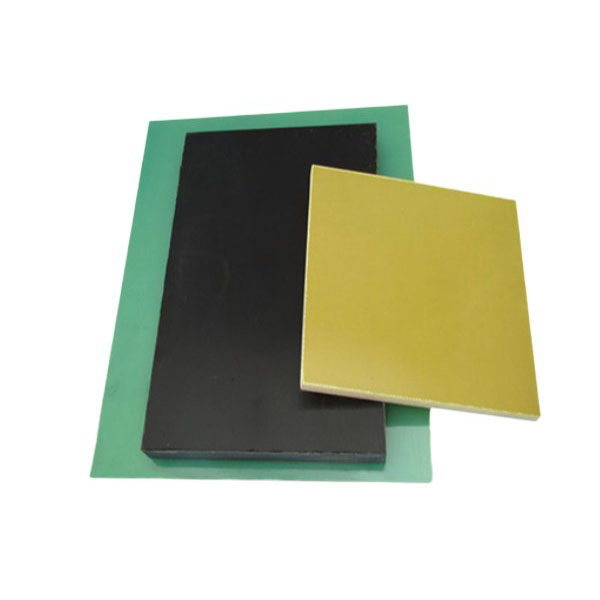
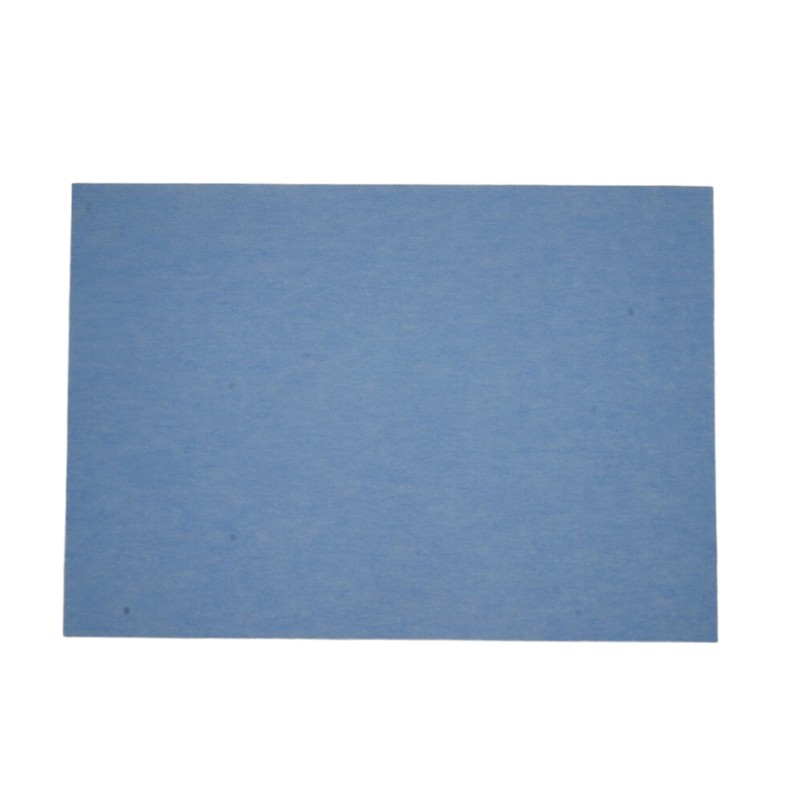
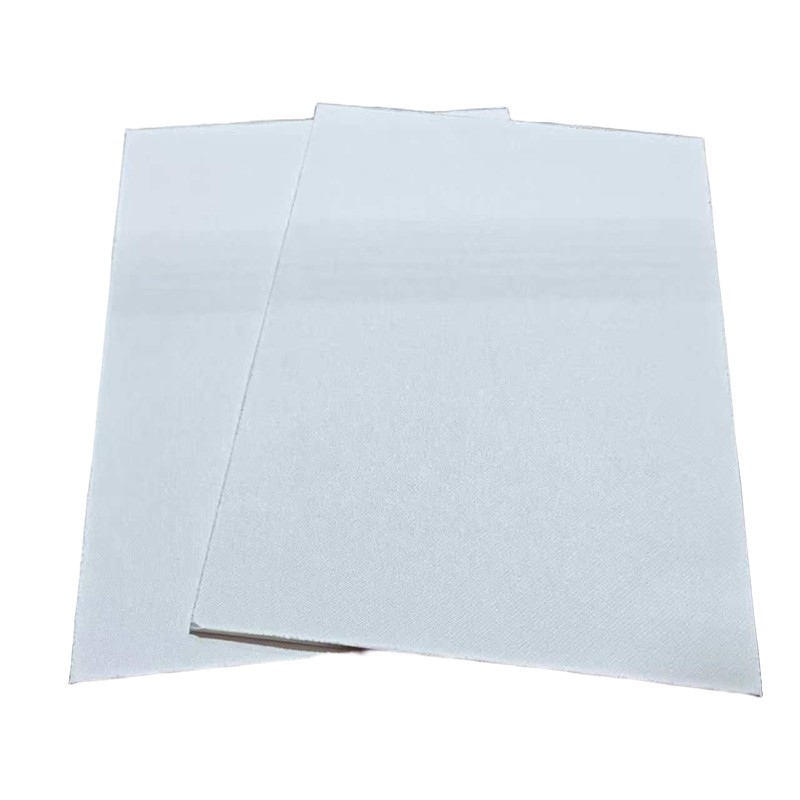
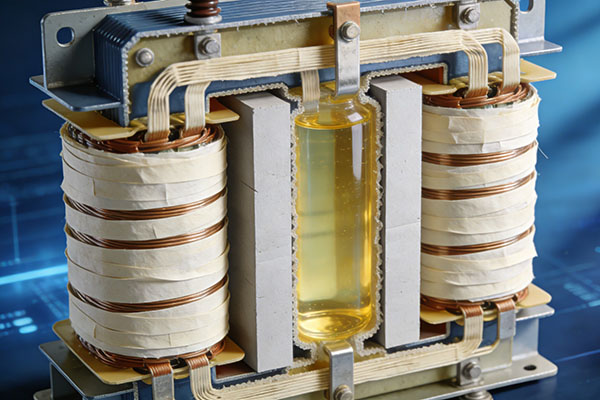
Inside every oil-filled transformer, a silent battle against electrical breakdown is constantly being fought. The transformer's windings carry high voltages, and the oil circulates to cool and insulate them. But the oil alone is not enough. Between the turns of the windings, between the windings and the core, and between the windings and the tank, there are layers of a humble material that performs one of the most critical functions in the entire system: electrical insulation kraft paper. Without this paper, the transformer would fail within minutes. The paper provides the dielectric barrier that prevents electrical breakdown, and it does so while withstanding temperatures that would degrade ordinary paper in hours. It is the unsung hero of Electrical Insulation Materials On Oil Type Transformers.
So how does electrical insulation kraft paper serve the general insulation needs of oil-type transformers? The answer lies in a combination of properties that are unique to this material. It has high dielectric strength, meaning it can withstand high voltages without breaking down. It has excellent thermal stability, maintaining its properties at temperatures up to 105°C or higher. It has low moisture content and resists moisture absorption, which is critical because moisture degrades insulation performance. It is compatible with transformer oil, forming a synergistic insulation system. And it is mechanically strong enough to withstand the stresses of winding and assembly. This article will examine each of these properties in technical detail, explaining how electrical insulation kraft paper meets the demanding requirements of oil-type transformers. We will also provide specifications and performance data from our factory, Suzhou Hanyao New Materials Co., Ltd., which has been supplying Electrical Insulation Materials On Oil Type Transformers to manufacturers for over a decade.
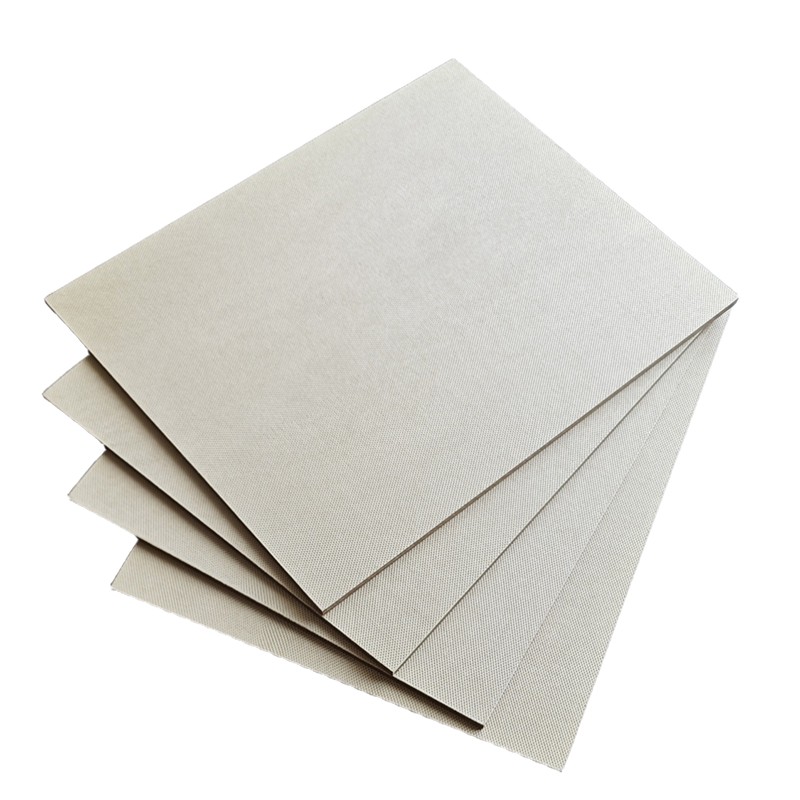
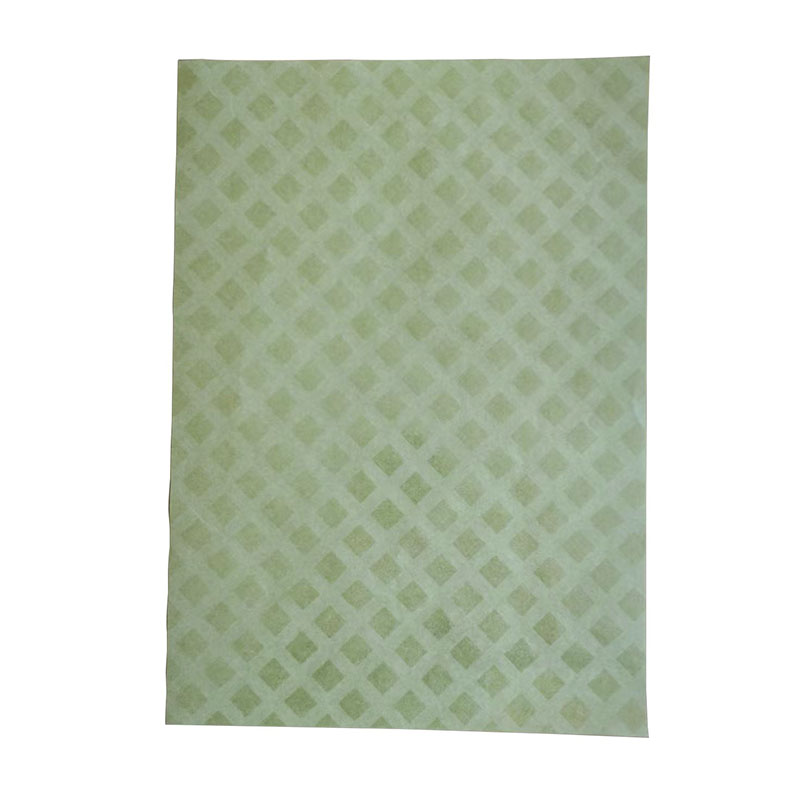
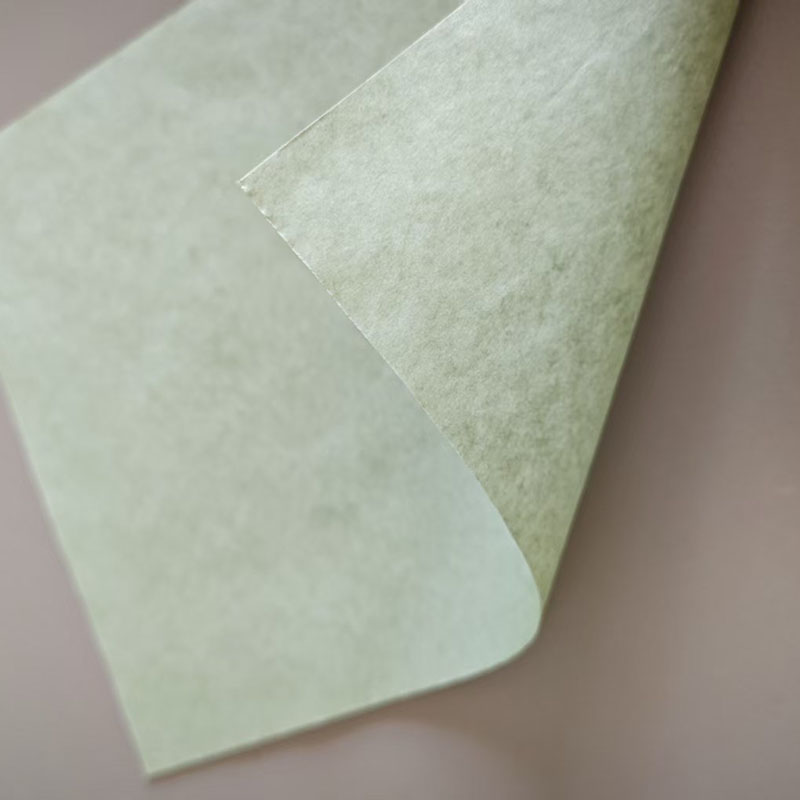
Electrical insulation kraft paper is a specialized type of paper manufactured from unbleached softwood pulp using the kraft pulping process. The term "kraft" comes from the German word for strength, and it accurately describes the paper's most important characteristic. Unlike ordinary paper, which is made from short fibers and chemical additives, electrical insulation kraft paper is made from long, undamaged cellulose fibers that form a dense, interlocking network. This network provides the mechanical strength and dielectric integrity required for transformer insulation. The paper is produced in a range of thicknesses, from 50 micrometers to 250 micrometers, and in a range of basis weights, from 60 gsm to 200 gsm.
The reason electrical insulation kraft paper has become the standard for oil-type transformers is not a single property, but a combination of properties that no other material can match at a comparable cost. The paper is an excellent dielectric, with a breakdown strength of 8-12 kV/mm when dry. It is thermally stable, with a continuous operating temperature of 105°C and short-term capability to 120°C. It is mechanically strong, with a tensile strength of 80-120 MPa in the machine direction. It is chemically compatible with transformer oil, forming a synergistic insulation system that is greater than the sum of its parts. And it is readily available, cost-effective, and easy to process in transformer manufacturing. Our factory at Suzhou Hanyao New Materials Co., Ltd. has been producing Electrical Insulation Materials On Oil Type Transformers for over a decade, and we have seen these properties validated in thousands of installations worldwide.
The table below summarizes the key properties of electrical insulation kraft paper and compares them to other common transformer insulation materials.
| Property | Kraft Paper | Nomex (Aramid) | Polyester Film |
| Dielectric Strength (kV/mm) | 8 - 12 | 20 - 30 | 100 - 200 |
| Continuous Operating Temp (°C) | 105 | 220 | 130 |
| Tensile Strength (MPa) | 80 - 120 | 50 - 80 | 150 - 250 |
| Compatibility with Oil | Excellent | Good | Fair |
| Cost | Low | High | Medium |
| Typical Application | Distribution and power transformers | High-temperature transformers | Capacitors, special applications |
The dominance of electrical insulation kraft paper is not accidental. It is the result of decades of research and development by paper manufacturers and transformer designers. The paper has been optimized for the specific demands of oil-type transformers, and it continues to be the material of choice for the vast majority of distribution and power transformers manufactured today. At our factory, we are proud to contribute to this legacy by producing high-quality Electrical Insulation Materials On Oil Type Transformers that meet the most demanding specifications.
The primary function of electrical insulation kraft paper in an oil-type transformer is to provide a dielectric barrier between conductive components. The paper is wrapped around the copper or aluminum conductors that form the transformer windings. It is also used to separate the windings from the core and from each other. The dielectric strength of the paper determines how much voltage it can withstand before breaking down. When a voltage is applied across the paper, the material polarizes, and the electric field is distributed across the paper's thickness. If the voltage exceeds the dielectric strength of the paper, the material breaks down, and a conductive path is formed. This would result in a short circuit and catastrophic failure of the transformer.
The dielectric strength of electrical insulation kraft paper is determined by its density, thickness, and moisture content. Higher density paper has a more compact fiber structure, which increases its dielectric strength. Thicker paper has a higher breakdown voltage but is also more rigid and harder to wind. Moisture content is critical: even 1% moisture can reduce the dielectric strength by 50% or more. This is why the paper is dried and impregnated with oil under vacuum before the transformer is put into service. The oil fills the voids between the paper fibers and displaces the moisture, restoring the dielectric strength. The table below shows the dielectric strength of electrical insulation kraft paper at different moisture levels.
| Moisture Content (%) | Dielectric Strength (kV/mm) | Notes |
| 0.1 (Dry) | 10 - 12 | Typical after vacuum drying |
| 0.5 | 8 - 10 | Acceptable for most applications |
| 1.0 | 5 - 7 | Requires additional drying |
| 2.0 | 3 - 4 | Not acceptable for high-voltage transformers |
| 4.0 | 1 - 2 | Severe degradation |
At our factory, we manufacture Electrical Insulation Materials On Oil Type Transformers with a dielectric strength of 10-12 kV/mm at 0.1% moisture content. We also provide technical support to our customers to ensure that the paper is properly dried and impregnated before use. The dielectric performance of the paper is verified through routine testing in accordance with IEC 60243 and ASTM D149. This rigorous quality control ensures that our electrical insulation kraft paper meets the demanding requirements of oil-type transformers.
The thermal stability of electrical insulation kraft paper is a critical factor in determining the life of an oil-type transformer. The paper is exposed to continuous operating temperatures of 80-105°C, with short-term excursions to 120°C or higher during overload conditions. Over a 30-year service life, the paper undergoes slow thermal degradation, which reduces its mechanical strength and eventually its dielectric strength. The rate of degradation is determined by the temperature and the presence of oxygen and moisture. The paper is classified by its thermal class, which indicates the maximum continuous operating temperature. The most common thermal classes for transformer insulation are A (105°C), E (120°C), B (130°C), and F (155°C).
The thermal degradation of cellulose is a first-order chemical reaction. The rate of degradation follows the Arrhenius equation, which states that the reaction rate doubles for every 8-10°C increase in temperature. This means that the life of the paper is halved for every 8-10°C increase in operating temperature. This relationship is the basis for the "insulation life" curves used in transformer design. The paper's thermal stability is enhanced by the removal of oxygen and moisture during the manufacturing process. The impregnation of the paper with transformer oil also helps to slow the degradation by excluding oxygen. The table below shows the expected life of electrical insulation kraft paper at different operating temperatures.
| Operating Temperature (°C) | Expected Life (years) | Notes |
| 80 | 50+ | Normal operating condition |
| 95 | 25 - 30 | Typical hot-spot temperature |
| 105 | 15 - 20 | Maximum continuous rating |
| 120 | 5 - 8 | Overload condition |
| 140 | 1 - 2 | Emergency overload |
Our factory at Suzhou Hanyao New Materials Co., Ltd. produces Electrical Insulation Materials On Oil Type Transformers with a thermal class of 105°C, and we can also supply paper with enhanced thermal stability for higher temperature applications. We conduct accelerated aging tests on our paper to verify its thermal performance. In these tests, the paper is aged at elevated temperatures, and its tensile strength and dielectric strength are measured at intervals. The results are used to predict the paper's life at normal operating temperatures. This data is provided to our customers to assist in their transformer design calculations.
The interaction between electrical insulation kraft paper, moisture, and transformer oil is one of the most critical aspects of transformer insulation design. The paper is hygroscopic, meaning it readily absorbs moisture from the air. This is a problem because moisture reduces the dielectric strength of both the paper and the oil. In a transformer, the moisture content of the paper must be kept below 0.5% by weight to ensure reliable insulation performance. Achieving this requires a combination of vacuum drying and oil impregnation. During the manufacturing process, the transformer is heated and evacuated to remove moisture from the paper and the oil. The oil is then introduced under vacuum, filling the voids in the paper and displacing any remaining moisture.
The relationship between paper, oil, and moisture is dynamic. The paper and the oil exchange moisture until they reach equilibrium. The equilibrium moisture content of the paper depends on the temperature and the moisture content of the oil. At normal operating temperatures (80-95°C), the paper will absorb moisture from the oil if the oil's moisture content is high. This is why the oil must be kept dry. The table below shows the equilibrium moisture content of electrical insulation kraft paper at different oil moisture levels and temperatures.
| Oil Moisture (ppm) | Paper Moisture at 60°C (%) | Paper Moisture at 80°C (%) | Paper Moisture at 100°C (%) |
| 5 | 0.2 | 0.1 | 0.05 |
| 10 | 0.4 | 0.2 | 0.1 |
| 20 | 0.8 | 0.4 | 0.2 |
| 30 | 1.2 | 0.6 | 0.3 |
| 50 | 2.0 | 1.0 | 0.5 |
At our factory, we provide electrical insulation kraft paper with a moisture content of less than 0.5% as supplied. We also provide technical support to our customers to ensure that the paper is properly dried and impregnated during transformer manufacturing. Our quality control laboratory is equipped to measure moisture content using the Karl Fischer method, and we test every batch of paper before shipment. This ensures that our customers receive Electrical Insulation Materials On Oil Type Transformers that meet their moisture specifications and will perform reliably in their transformers.
The mechanical and chemical compatibility of electrical insulation kraft paper with transformer oil and winding processes is essential for the long-term reliability of the transformer. The paper must be mechanically strong enough to withstand the stresses of winding and assembly, and it must be chemically stable in the presence of the oil and the materials used in the transformer. Mechanical strength is typically measured by tensile strength, tear resistance, and elongation. The paper must have sufficient tensile strength to resist breaking during winding, and it must be flexible enough to conform to the shape of the windings without cracking. The table below shows the typical mechanical properties of electrical insulation kraft paper.
| Property | Typical Value | Test Method |
| Tensile Strength (MD) (MPa) | 80 - 120 | ISO 1924-2 |
| Tensile Strength (CD) (MPa) | 40 - 60 | ISO 1924-2 |
| Elongation at Break (MD) (%) | 2 - 4 | ISO 1924-2 |
| Tear Resistance (mN) | 500 - 800 | ISO 1974 |
| Basis Weight (gsm) | 60 - 200 | ISO 536 |
| Thickness (µm) | 50 - 250 | ISO 534 |
The chemical compatibility of the paper with transformer oil is also critical. The paper must not release harmful compounds into the oil, and it must not degrade in the presence of the oil's additives. The paper is typically made from unbleached softwood kraft pulp, which is chemically stable and compatible with mineral oil. The paper may also be treated with additives, such as nitrogen-containing compounds, to enhance its thermal stability. At our factory, we test the chemical compatibility of our paper with transformer oil in accordance with ASTM D3455. This test involves aging the paper in oil at elevated temperature and measuring the change in the oil's properties. The results confirm that our Electrical Insulation Materials On Oil Type Transformers are chemically compatible with transformer oil and will not adversely affect the oil's performance.
All materials degrade over time, and electrical insulation kraft paper is no exception. The aging of the paper is a combination of thermal degradation, oxidation, and hydrolysis. The rate of aging depends on the operating temperature, the moisture content, and the oxygen content. The end of the paper's useful life is typically defined as the point at which its tensile strength has decreased to 50% of its original value. At this point, the paper is considered to be mechanically weak and may not be able to withstand the stresses of a short circuit or an overload. The dielectric strength of the paper also decreases with age, but the mechanical strength is usually the limiting factor.
The aging of the paper can be monitored by analyzing the oil for dissolved gases and furanic compounds. Furanic compounds, such as 2-furfuraldehyde (2-FAL), are produced by the degradation of cellulose. The concentration of 2-FAL in the oil correlates with the degree of paper degradation. A high concentration of 2-FAL indicates that the paper is nearing the end of its life. The table below shows the relationship between 2-FAL concentration and the degree of paper degradation.
| 2-FAL Concentration (ppb) | Degree of Paper Degradation | Recommended Action |
| < 100 | Normal aging | Continue normal operation |
| 100 - 500 | Moderate aging | Increase monitoring frequency |
| 500 - 1000 | Significant aging | Plan for refurbishment |
| 1000 - 2000 | Advanced aging | Schedule refurbishment |
| > 2000 | Critical | Immediate action required |
At our factory, we provide technical support to our customers to help them assess the condition of their transformer insulation. We can provide reference data on the aging characteristics of our electrical insulation kraft paper, and we can assist in interpreting oil analysis results. Our goal is to help our customers extend the life of their transformers and avoid unexpected failures. By understanding the aging process and monitoring the condition of the insulation, transformer operators can make informed decisions about maintenance and replacement.
Question 1: What is the typical dielectric strength of electrical insulation kraft paper?
Answer: The typical dielectric strength of electrical insulation kraft paper is 8-12 kV/mm, depending on the density, thickness, and moisture content. At 0.1% moisture content, a high-quality kraft paper can achieve 10-12 kV/mm. At 1% moisture content, the dielectric strength drops to 5-7 kV/mm. This is why the paper must be dried and impregnated with oil before use. At Suzhou Hanyao New Materials Co., Ltd., our Electrical Insulation Materials On Oil Type Transformers meet the requirements of IEC 60243 and ASTM D149.
Question 2: How does moisture affect the performance of electrical insulation kraft paper?
Answer: Moisture has a detrimental effect on the dielectric strength of electrical insulation kraft paper. Even a small amount of moisture, such as 1%, can reduce the dielectric strength by 50% or more. Moisture also accelerates the thermal aging of the paper. For these reasons, the moisture content of the paper must be kept below 0.5% by weight. This is achieved through vacuum drying and oil impregnation during transformer manufacturing. Our factory supplies paper with a moisture content of less than 0.5% and provides technical support for drying and impregnation.
Question 3: What is the maximum operating temperature for electrical insulation kraft paper?
Answer: The maximum continuous operating temperature for standard electrical insulation kraft paper is 105°C, which corresponds to thermal class A. At this temperature, the paper has an expected life of 15-20 years. For higher temperature applications, paper with enhanced thermal stability can be used. These papers are classified as thermal class E (120°C), B (130°C), or F (155°C). The choice of paper depends on the transformer's design and its expected load profile. Our factory can supply paper for all these thermal classes.
Question 4: How is electrical insulation kraft paper tested for quality?
Answer: Electrical insulation kraft paper is tested for a range of properties, including dielectric strength, tensile strength, tear resistance, moisture content, and chemical compatibility with transformer oil. The tests are conducted in accordance with international standards such as IEC 60243, ISO 1924-2, and ASTM D3455. At our factory, we test every batch of paper before shipment and provide a certificate of analysis to our customers. We also conduct accelerated aging tests to verify the long-term performance of our paper.
Question 5: Can electrical insulation kraft paper be recycled?
Answer: Yes, electrical insulation kraft paper can be recycled. It is made from wood pulp, which is a renewable resource, and it can be repulped and used to make new paper products. However, the paper may be contaminated with transformer oil, which must be removed before recycling. The oil can be recovered and reused, and the paper can be recycled. At Suzhou Hanyao New Materials Co., Ltd., we are committed to sustainability and encourage our customers to recycle their used insulation paper.
Electrical insulation kraft paper is a critical component of oil-type transformers, providing the dielectric barrier that prevents electrical breakdown. Its high dielectric strength, thermal stability, moisture resistance, and chemical compatibility with transformer oil make it the material of choice for this demanding application. The performance of the paper is determined by its properties and by the care with which it is dried and impregnated during transformer manufacturing. By understanding these factors, transformer designers and operators can ensure the reliable, long-term performance of their equipment.
At Suzhou Hanyao New Materials Co., Ltd., we have been supplying high-quality Electrical Insulation Materials On Oil Type Transformers to manufacturers for over a decade. Our factory is equipped with state-of-the-art production and testing equipment, and our quality control system is certified to ISO 9001. We are committed to providing our customers with the highest quality products and the technical support they need to succeed. Whether you are designing a new transformer or maintaining an existing one, we invite you to contact us to discuss your electrical insulation material requirements.
Contact Suzhou Hanyao New Materials Co., Ltd. today to learn more about our electrical insulation kraft paper and how it can meet your transformer insulation needs.