Oil-type transformers are trusted for stable performance, but most unexpected breakdowns don’t start with “oil problems” — they start when insulation quietly ages, absorbs moisture, or loses mechanical strength. If you’re selecting materials, managing a repair, or trying to stop repeat faults, the insulation system is where reliability is won (or lost).
This guide explains how Electrical Insulation Materials On Oil Type Transformers work together as a system — paper, pressboard, spacers, barrier components, and high-temperature options — and how to choose them based on heat, moisture risk, dielectric safety margin, and mechanical loads. You’ll get practical decision rules, a comparison table, common failure patterns, maintenance tips, and an FAQ designed for buyers, engineers, and maintenance teams who want fewer outages and longer transformer life.

The pain point many operators share is brutally simple: transformers tend to fail at the worst possible time. And when they do, the damage is rarely “a single bad part.” It’s typically a chain reaction that starts with insulation aging:
In other words, Electrical Insulation Materials On Oil Type Transformers aren’t a background detail — they are the transformer’s “life support.” Choose well, and you buy years. Choose poorly, and you buy trouble.
Oil-type transformers rely on a layered defense. Each layer handles a different job, and the best results come when materials are compatible in oil, stable at operating temperature, and strong enough to survive mechanical stress.
What the insulation system must achieve:
A practical mindset: if you change one piece (paper type, pressboard thickness, adhesive pattern, spacer geometry), check what that change does to drying time, oil impregnation, clearances, and mechanical clamp pressure. This is where many “it looked fine on paper” projects go sideways.
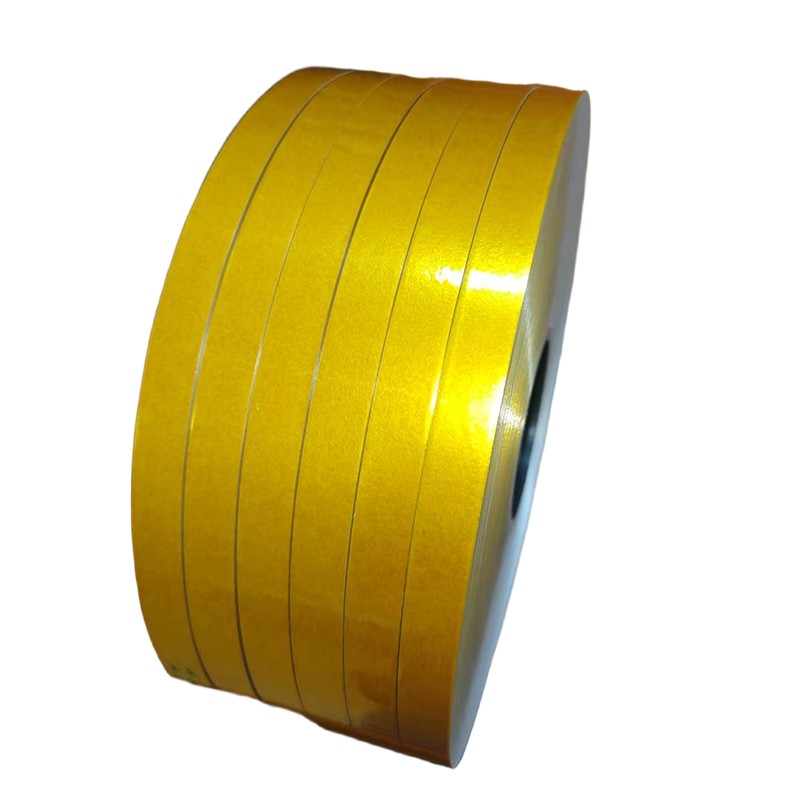
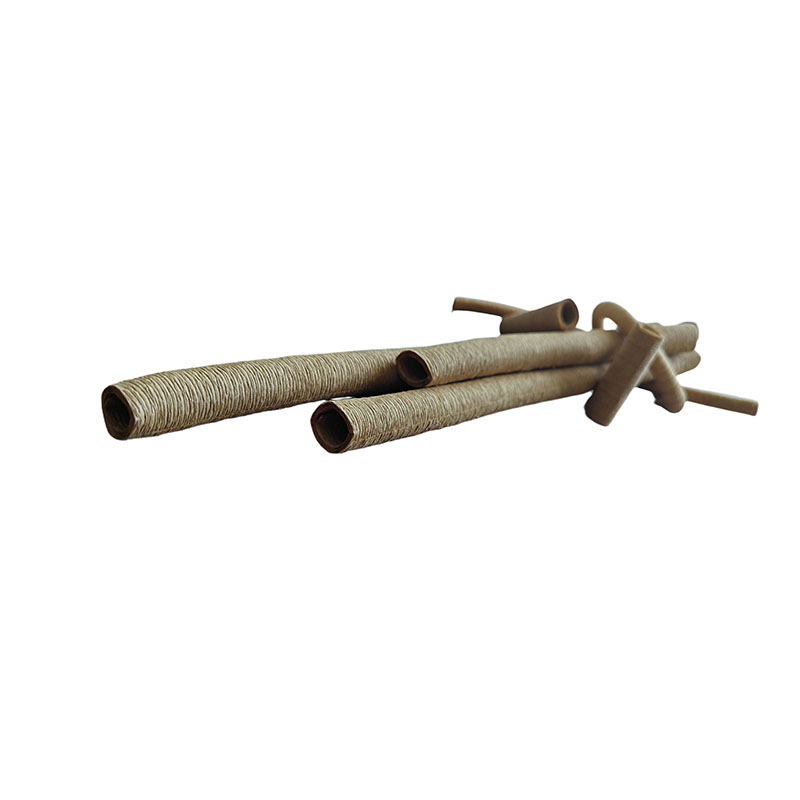
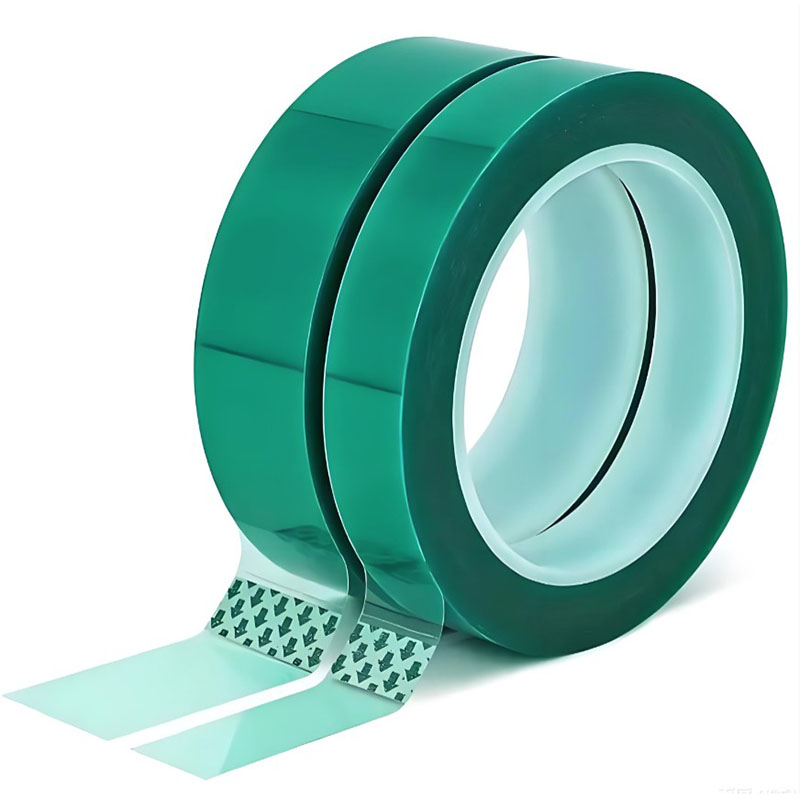
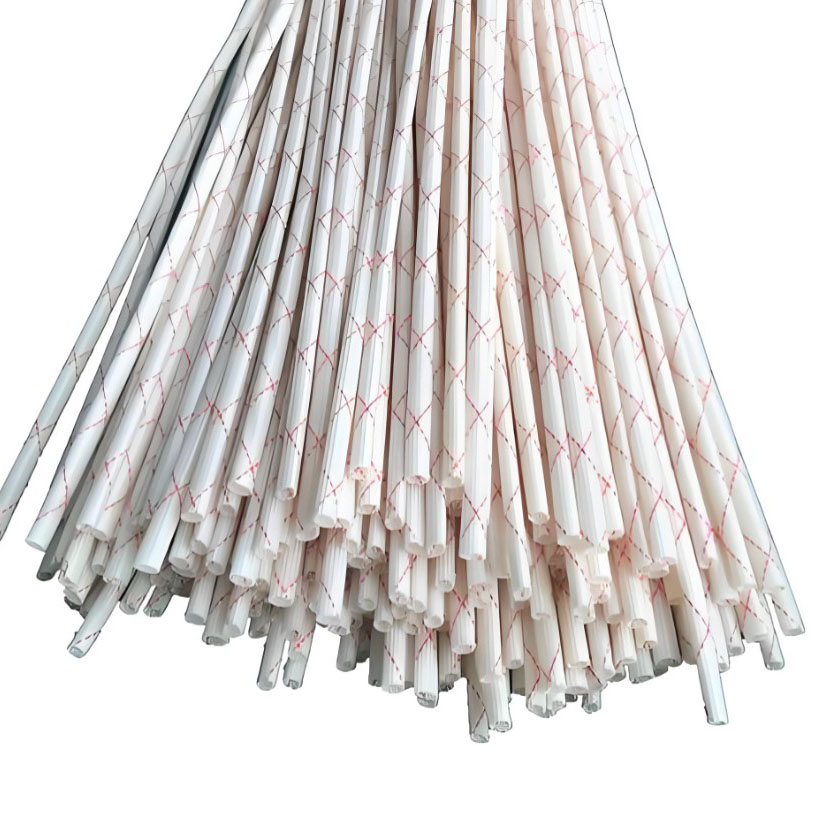
Below are the insulation families most commonly used in oil-filled designs. Your exact bill of materials depends on voltage class, winding structure, thermal class target, and manufacturing method — but these building blocks show up again and again.
If your operation suffers from high ambient heat, frequent load cycling, or limited maintenance windows, consider that material selection is not just about dielectric strength “today.” It’s about aging rate over years.
Here’s the straightforward way to pick Electrical Insulation Materials On Oil Type Transformers without getting trapped in marketing claims: start with your actual stress profile, not the catalog.
1) Temperature and overload behavior
2) Moisture risk and drying practicalities
3) Mechanical stress and short-circuit forces
4) Electrical stress distribution
If you want a practical shortcut: when failures keep repeating, it’s usually moisture + heat + contamination acting together. A better insulation selection (and better process control) breaks that triangle.
| Material family | Typical applications | Key strengths | Watch-outs |
|---|---|---|---|
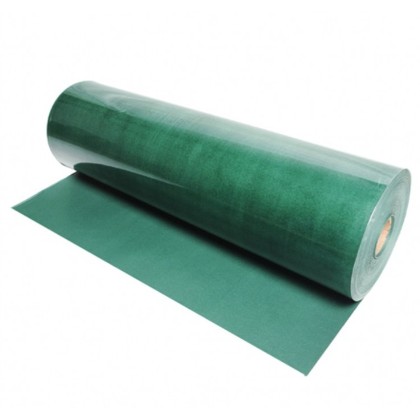
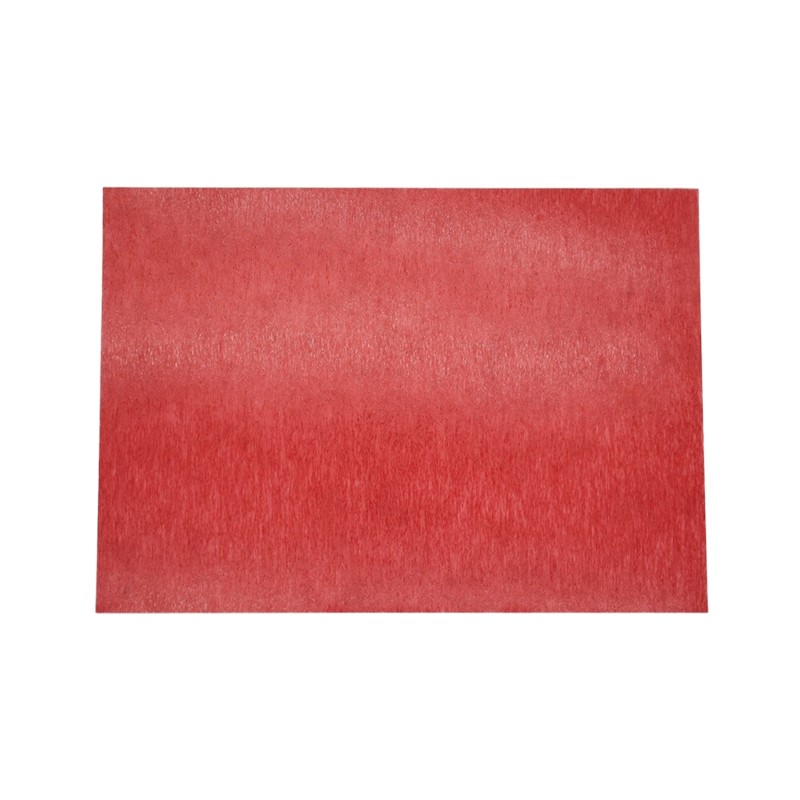
| Cellulose insulation paper | Turn-to-turn and layer insulation | Excellent dielectric performance when dry and oil-impregnated; cost-effective | Moisture-sensitive; aging accelerates with heat and oxygen |
| Crepe paper (cellulose) | Lead insulation, wrapping irregular parts | Stretchable and conformable; reduces wrinkles and gaps | Still moisture-sensitive; needs good impregnation |
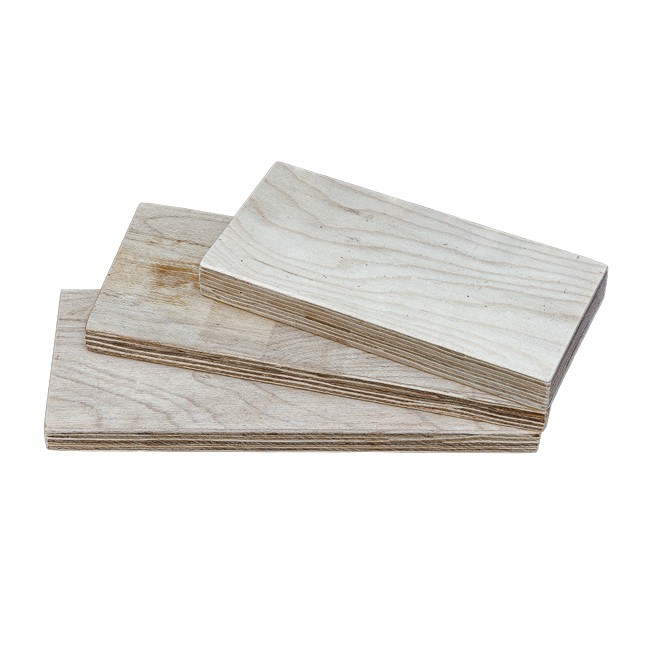
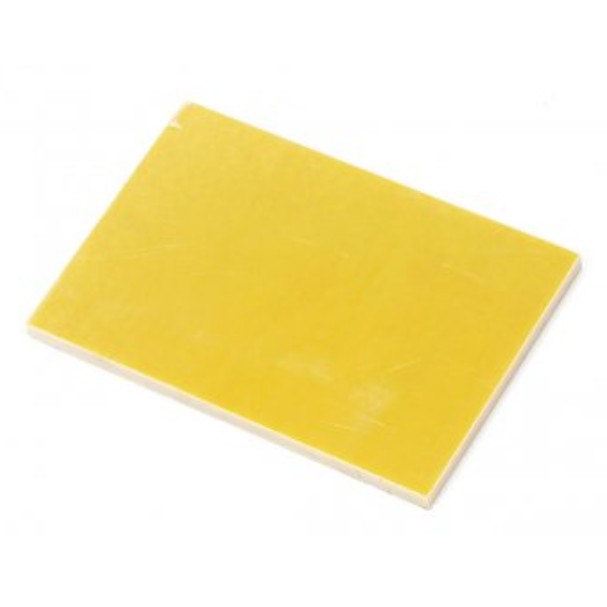
| Pressboard / laminated board | Barriers, spacers, end rings, oil duct structures | Mechanical support + insulation; helps maintain clearances under stress | Longer drying time; thickness and density affect processing |
| Barrier/cylinder structures | Field control, high stress regions | Improves electrical stress distribution; reduces localized discharge risk | Design-sensitive; poor geometry can trap oil or create sharp stress points |
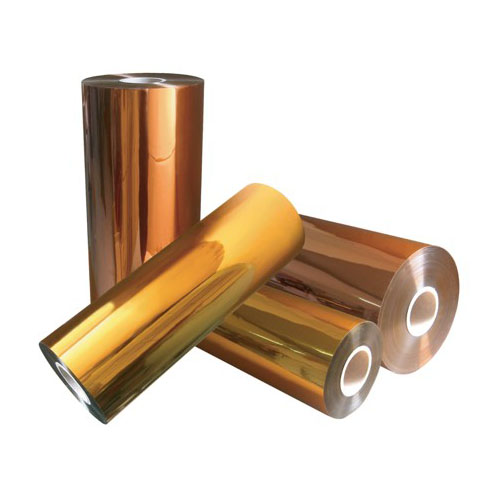
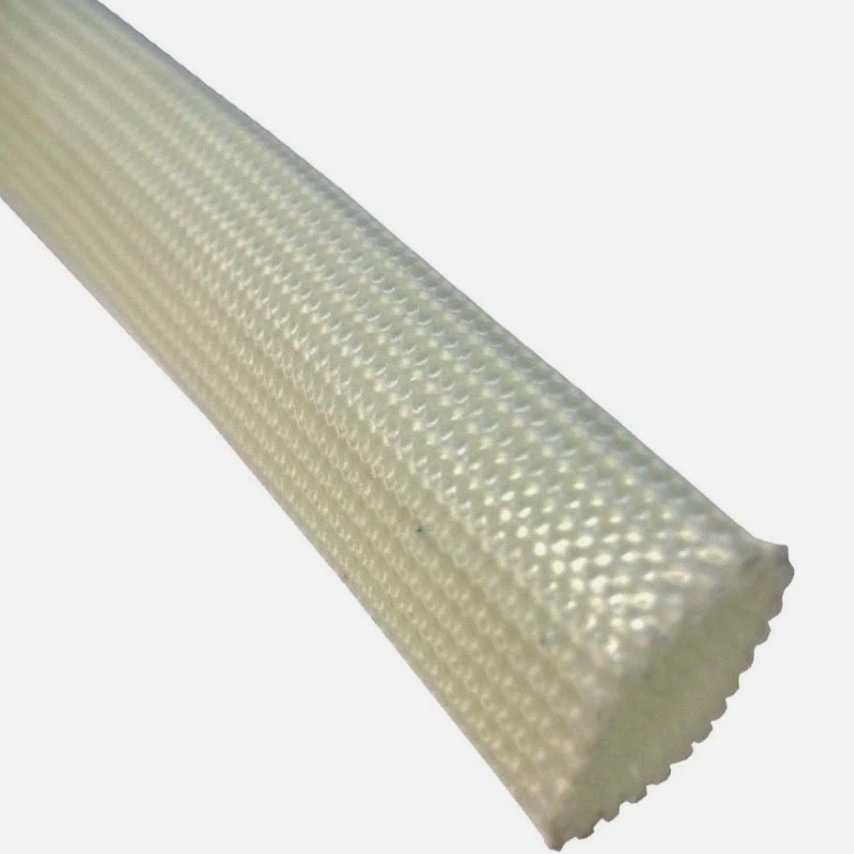
| Aramid paper / high-temp insulation | High thermal margin designs, harsh duty cycles | Better performance at higher temperatures; supports longer life under heat | Higher cost; must confirm oil compatibility and process fit |
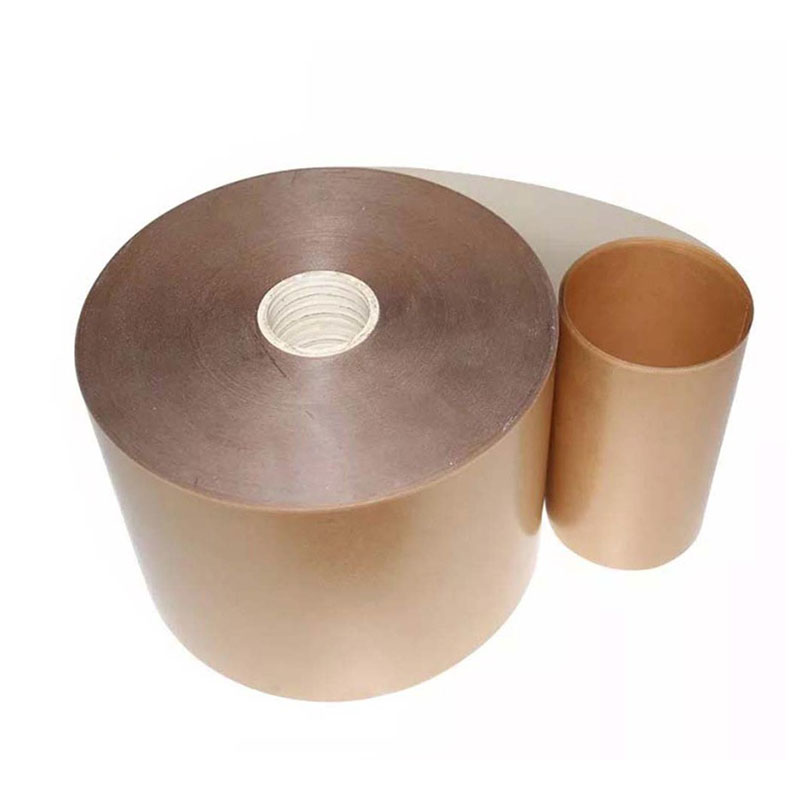
| Adhesive-pattern bonding papers | Layer stability, assembly convenience | Reduces shifting; can improve winding robustness | If over-bonded, may reduce oil flow and slow drying |

If you’ve ever asked, “Why did it fail when oil tests looked okay?” — you’re not alone. Insulation failures can hide until a trigger event. Here are patterns that often map to real causes:
Field tip: When troubleshooting, don’t treat insulation as passive. Ask “Where is the highest electrical stress?” and “Where is the hottest spot?” Those two locations explain most repeat failures.
Buying insulation materials by “thickness and price” is how hidden risk sneaks into a transformer. Use this checklist to reduce surprises:
If you’re sourcing insulation for production or refurbishment, working with a supplier that understands transformer assembly realities can shorten lead times and reduce rework. Suzhou Hanyao New Materials Co., Ltd. supports oil-type transformer insulation material supply and can provide converted components and matching material sets for common winding and barrier structures.
Q1: Is transformer insulation mostly about dielectric strength?
Dielectric strength is essential, but long-term reliability depends just as much on thermal aging, moisture behavior, and mechanical stability. A material can test strong in a lab and still fail early in service if it traps moisture, deforms under clamping, or degrades faster at hot-spot temperatures.
Q2: Why does moisture cause so many problems in oil-type transformers?
Moisture reduces dielectric strength and accelerates cellulose aging. It also increases the chance of partial discharge by changing electrical stress distribution and encouraging tracking. The tricky part is moisture can be trapped in thicker components unless drying and impregnation are done properly.
Q3: When should I consider high-temperature insulation upgrades?
Consider upgrades when hot-spot temperature is high, overloads are frequent, ambient temperature is harsh, or the transformer must run reliably with minimal downtime. High-temperature materials can provide extra thermal margin and slow aging, but they must fit your oil-impregnation process and design clearances.
Q4: Why do some repaired transformers fail again quickly?
Many quick repeat failures happen because the repair targets symptoms (oil replacement, a visible damaged area) but not the root cause: moisture distribution, contamination sources, geometry issues that concentrate electrical stress, or weakened mechanical supports that allow winding movement.
Q5: What’s the simplest way to reduce insulation risk during procurement?
Treat insulation as a system: request consistent batch quality, confirm packaging for moisture protection, verify compatibility with your drying and oil impregnation steps, and make sure mechanical properties match the forces your transformer may see. The right supplier can help you match materials to your design instead of guessing.
If you’re evaluating Electrical Insulation Materials On Oil Type Transformers for new builds or refurbishment, a small improvement in material fit and process compatibility can translate into years of extra service life.
Tell Suzhou Hanyao New Materials Co., Ltd. your transformer type, voltage class, hot-spot expectations, and the insulation components you need — and contact us to discuss suitable material options and supply arrangements for your project.