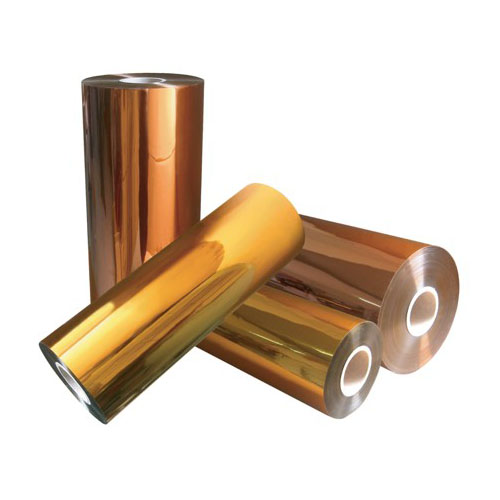
Many buyers, die-cutting factories and coating workshop staff focus first on whether the silicone adhesive layer of Polyester Silicone Adhesive Tape can withstand high temperatures and leave no residue after baking. However, they often overlook the thin release liner on the back. Many new operators peel it off and discard it right away, treating it merely as protective paper. In fact, the release liner is not an optional accessory. It directly affects the stability of tape storage, die-cutting processing and on-site masking applications.
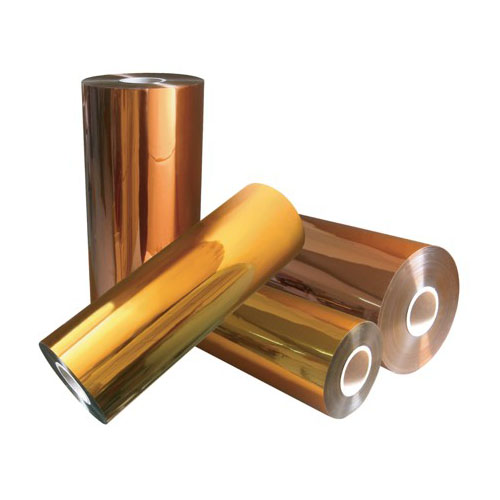
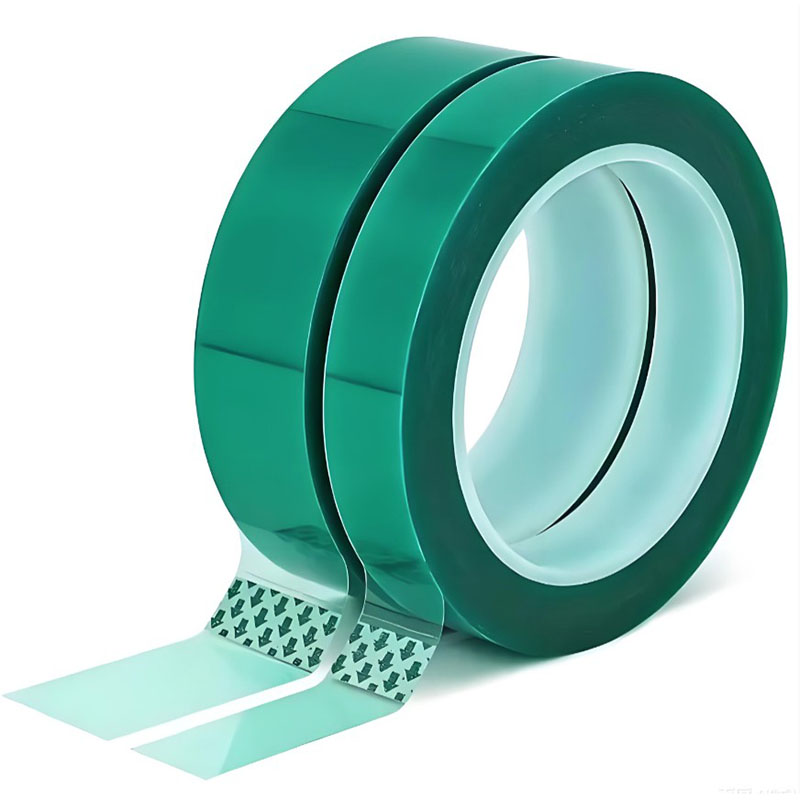
Polyester Silicone Adhesive Tape uses PET polyester film as the substrate, coated with silicone pressure-sensitive adhesive and paired with a release liner to form the finished product. Silicone adhesive has unique tack features with good cohesion and high-temperature resistance, yet it easily sticks to its own adhesive surface. Without separation from a release liner, the adhesive side will bond directly to the back of the PET film during rewinding. The whole roll will stick together and cannot be unwound normally. This is the most fundamental function of the release liner: separating the adhesive surface and preventing self-adhesion.
During storage and shipment, the release liner acts as a protective cover for the silicone adhesive. Polyester Silicone Adhesive Tape is widely used for powder coating, anodizing and PCB masking, applications with strict cleanliness requirements for the adhesive surface. Dust, lint and skin oil contaminating the silicone layer may lead to edge lifting, inconsistent local adhesion and adhesive residue after baking once applied to workpieces. The release liner covers the adhesive surface and blocks external contaminants to keep it clean before application.
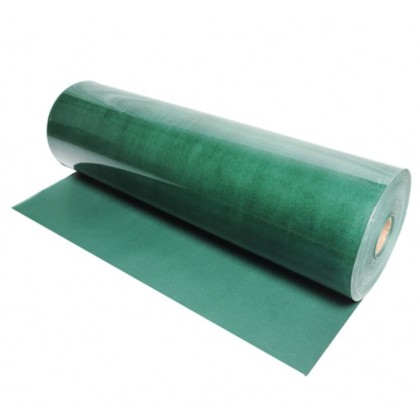
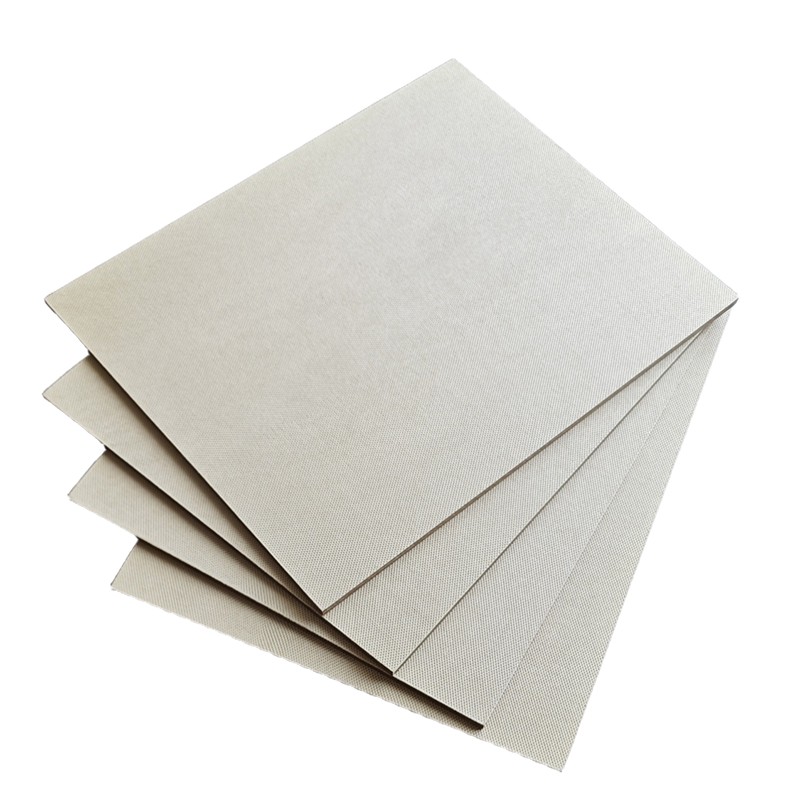
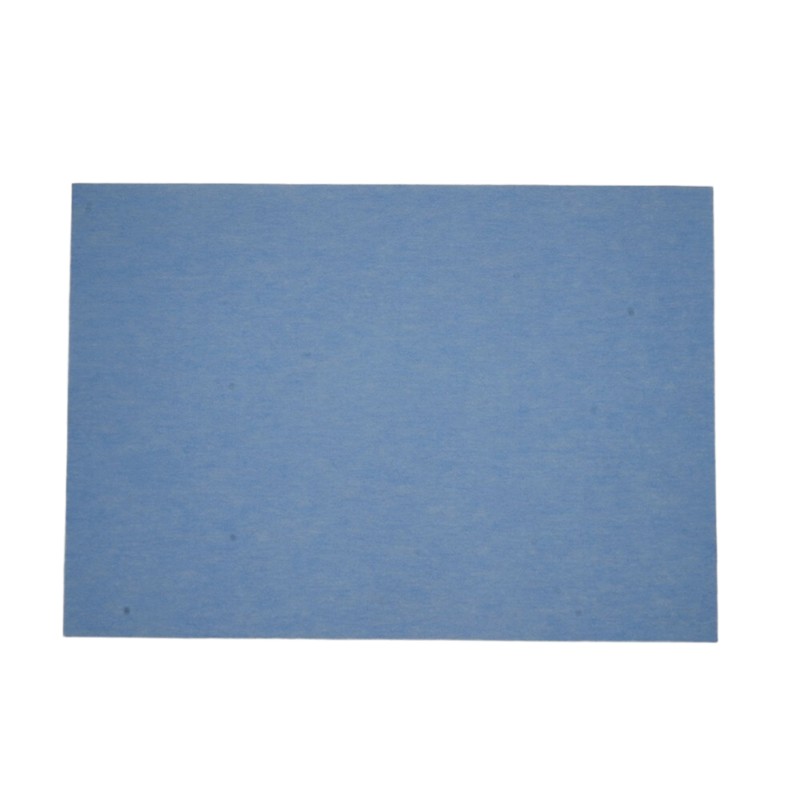
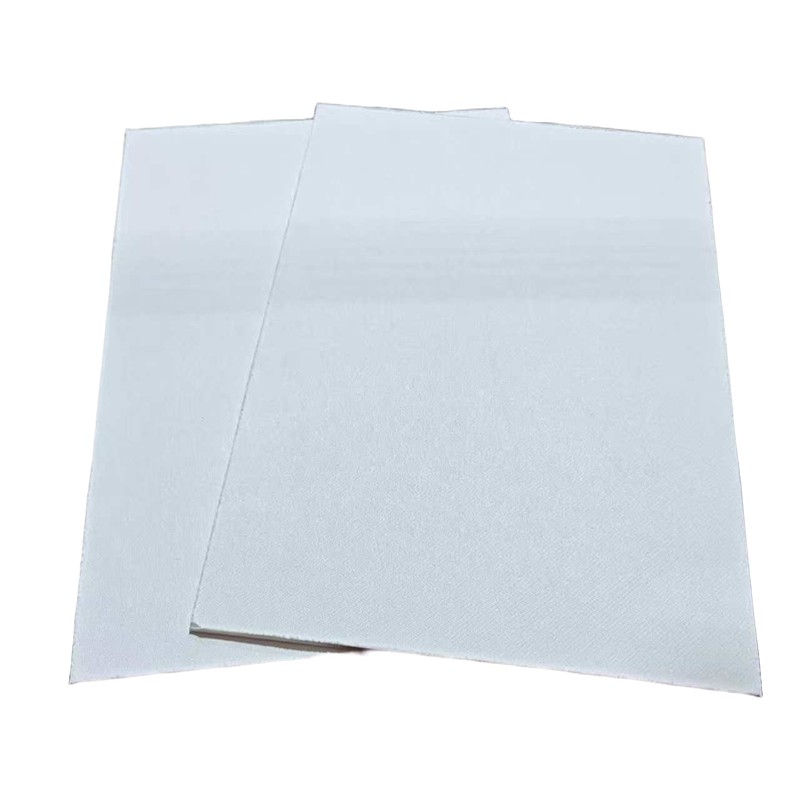
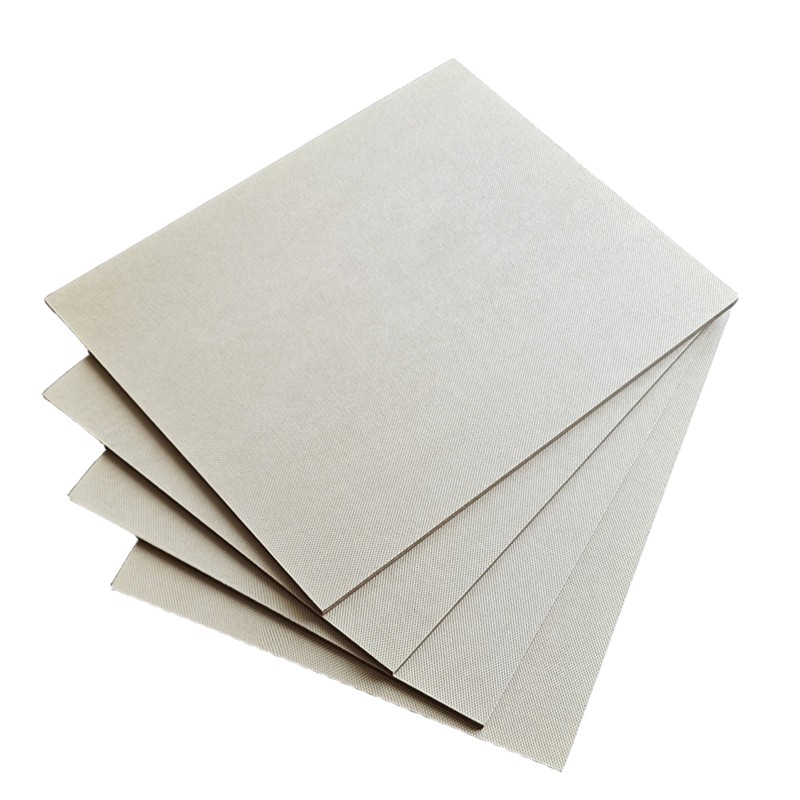
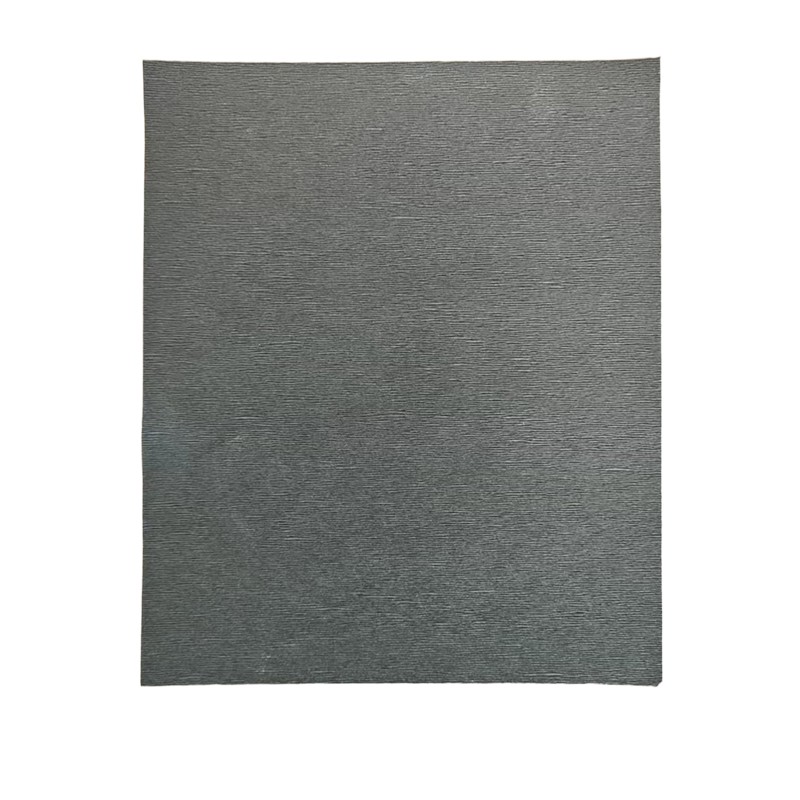
Die-cutting is one of the key applications for Polyester Silicone Adhesive Tape, and it heavily relies on a well-matched release liner. Experienced die-cut operators know that silicone adhesive behaves differently from standard acrylic adhesive. It is more prone to adhesive pulling, knife sticking and poor waste stripping. Proper release force determines smooth die-cutting performance. If the release force is too heavy, the adhesive will come away with the liner during waste stripping, resulting in missing adhesive and rejected parts. If the release force is too light, the liner may delaminate prematurely during slitting and die-cutting, exposing the adhesive surface and disrupting production. PET release films and glassine release papers are the two common options. They have different release properties and should be selected according to die-cutting methods and part sizes.
At downstream manufacturing sites, the release liner brings another practical benefit: easy positioning and lamination. Masking work is often handled manually on production lines. Small die-cut pieces are lightweight, and silicone adhesive sticks instantly upon contact. With the liner still attached, workers can adjust and align the tape repeatedly. Once positioned correctly, they remove the liner and press the tape down to avoid misalignment and rework. This is especially valuable for precision masking in anodizing and spraying, where alignment tolerance is tight and this simple feature saves plenty of working hours.
It is important to note that the release liner is only an auxiliary material. It does not contribute to bonding or high-temperature masking. It must be peeled off after the tape is properly applied to the workpiece and cannot go into the oven together with the tape. Some new operators mistakenly send parts with the liner into baking. Under high heat, the release coating can transfer onto the silicone adhesive or workpiece surface, causing residue, contamination and masking failure. This is a common process mistake in workshops.
Some customers ask if polyester silicone tape can be supplied without a release liner. Lineredless silicone PET tape can be custom-made theoretically, but it fits very few scenarios. Lineredless versions are only available in narrow widths, with difficult processing and limited shelf life. Most die-cutting and coating customers prefer standard tape with a release liner.
To sum up, the core roles of the release liner for Polyester Silicone Adhesive Tape are anti-blocking separation, adhesive surface protection, compatible waste stripping for die-cutting and convenient manual alignment. When selecting tape, besides checking temperature resistance, residue performance and peel strength, you also need to confirm whether the liner material and release force match your processing flow. Even with excellent adhesive specifications, poor processing compatibility will hurt your production yield.
We use cookies to offer you a better browsing experience, analyze site traffic and personalize content. By using this site, you agree to our use of cookies. Privacy Policy