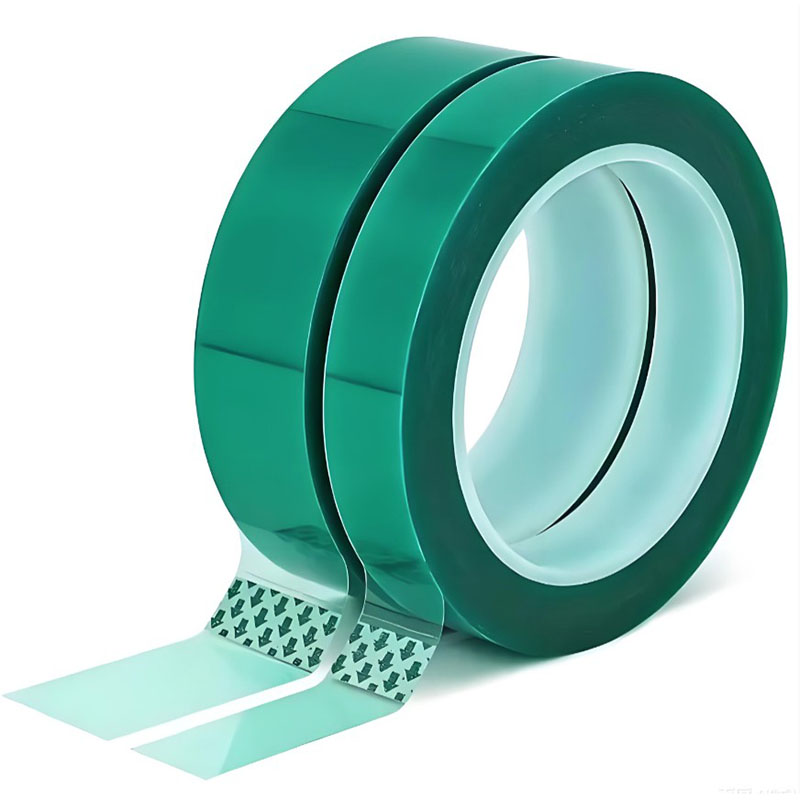
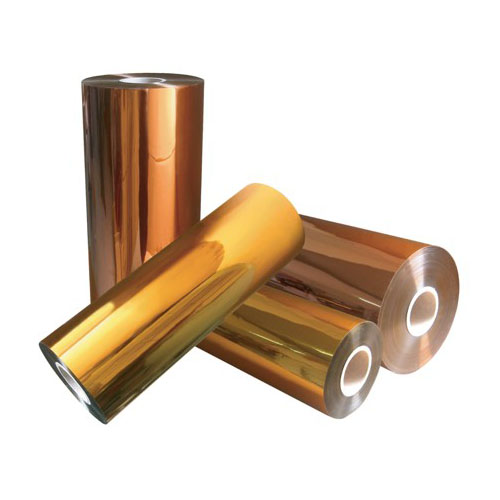
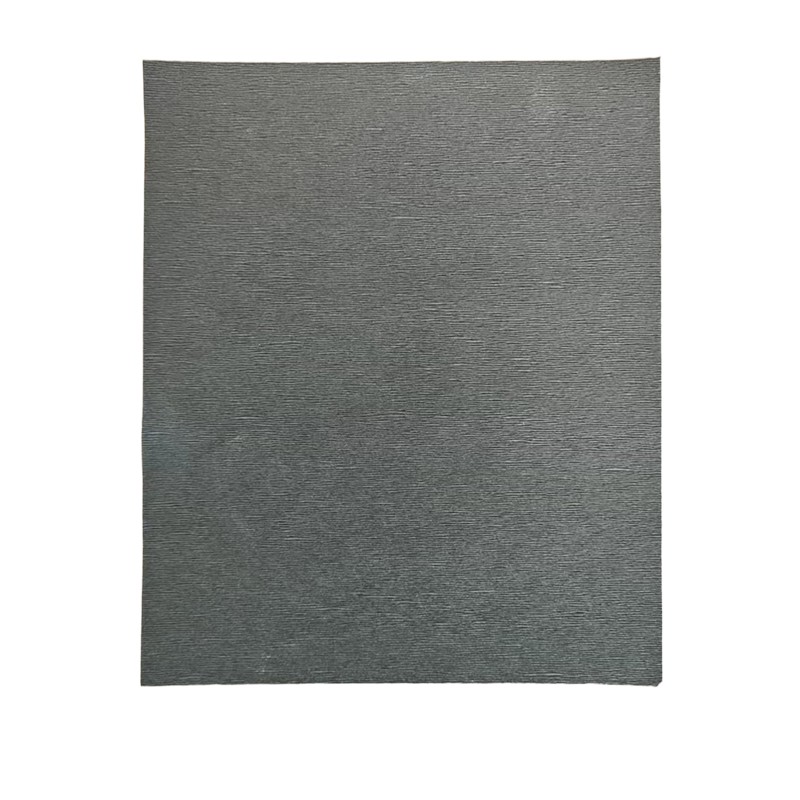
When sourcing high-temperature masking tape, buyers and die-cutting processors often turn to single-sided Polyester Silicone Adhesive Tape. Most focus on temperature resistance and residue performance after baking, while overlooking its basic construction. Without a clear understanding of its structure, issues like edge lifting, adhesive delamination and poor waste stripping frequently pop up during sampling, die-cutting and coating production.
A standard single-sided Polyester Silicone Adhesive Tape consists of three core layers: release liner, silicone adhesive layer and PET polyester substrate. Each layer serves a unique purpose, and the whole product cannot work reliably in mass production if any layer is removed.
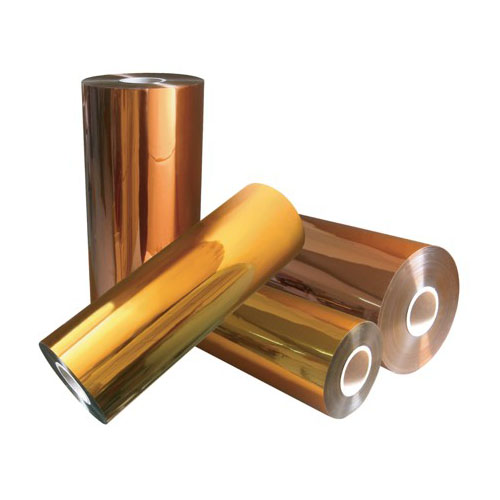
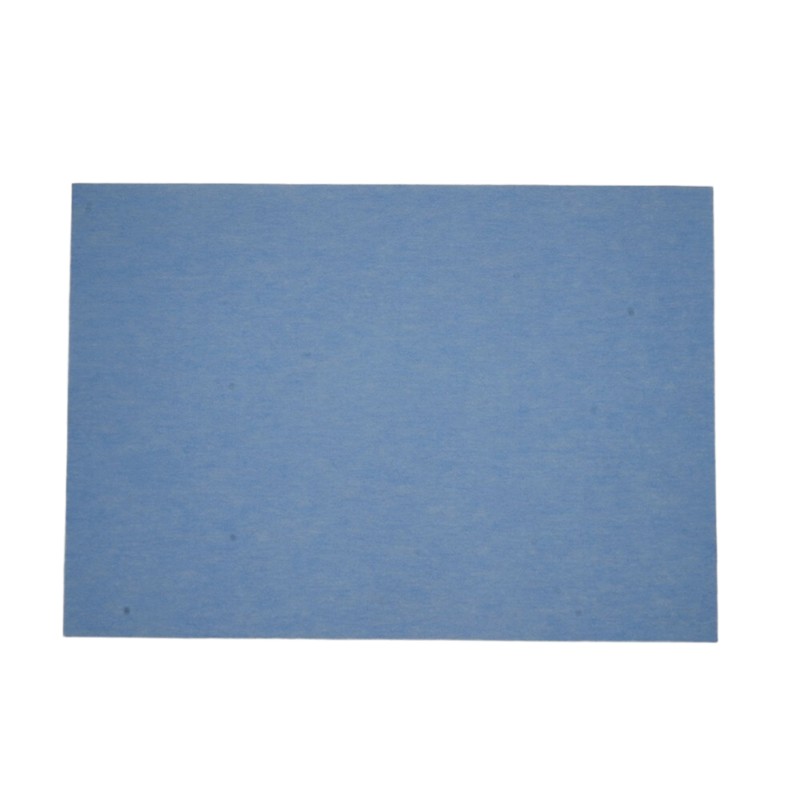
The base layer is the PET polyester film, the backbone of the tape. It controls dimensional stability, tensile strength and stiffness. Thin PET offers better flexibility for curved surfaces, while thicker PET resists stretching and keeps consistent dimensions during die-cutting. The substrate itself has decent heat resistance, making it compatible with powder coating and anodizing once paired with silicone adhesive. Corona treatment is applied on the PET surface to raise surface energy. This treatment helps the silicone adhesive bond firmly to the film and prevents adhesive transfer from the substrate under heat or pulling force.
The middle layer is silicone pressure-sensitive adhesive, the functional core for masking. Different from common acrylic adhesive, silicone adhesive withstands higher baking temperatures and is less likely to carbonize under heat. Properly formulated silicone leaves minimal residue after removal. Manufacturers adjust peel strength for different applications: low-tack grades suit delicate coated surfaces, while medium and high-tack options are selected for rough surfaces or environments with strong air flow. Adhesive thickness also matters. Too thin, and the adhesive fails to wet rough substrates, leading to lifting. Too thick, and problems such as adhesive oozing and pulling become common during die-cutting.
The outer layer is the release liner, which must be peeled off before application. It covers the silicone adhesive to avoid self-blocking when the roll is rewound, and shields the adhesive from dust and oil contamination. Release force is a critical specification. Excessively heavy release force causes adhesive pick-up during waste stripping. If release force is too light, the liner separates prematurely during slitting or transit, exposing and ruining the adhesive surface. PET release film and glassine release paper are the two mainstream choices, selected based on the die-cutting and waste stripping process.
It is worth distinguishing single-sided tape from double-sided alternatives. Single-sided Polyester Silicone Adhesive Tape has silicone adhesive on one side only, with a plain non-adhesive PET back. Double-sided versions have adhesive coated on both sides, either silicone on both faces or silicone paired with acrylic. They are designed for bonding rather than masking and are not interchangeable.
Custom variants may add matte or anti-block coating on the PET back, but these are not part of the standard build. Most commonly stocked masking-grade single-sided Polyester Silicone Adhesive Tape follows the classic structure: PET substrate + silicone adhesive + release liner.
To summarize, the PET substrate delivers mechanical support and stable dimensions. The silicone adhesive provides high-temperature adhesion and masking performance. The release liner protects the adhesive in storage and supports smooth die-cutting. When selecting tape, besides temperature resistance and residue tests, check structural parameters including substrate thickness, adhesive thickness and liner type to lower sampling failure rates.
We use cookies to offer you a better browsing experience, analyze site traffic and personalize content. By using this site, you agree to our use of cookies. Privacy Policy